


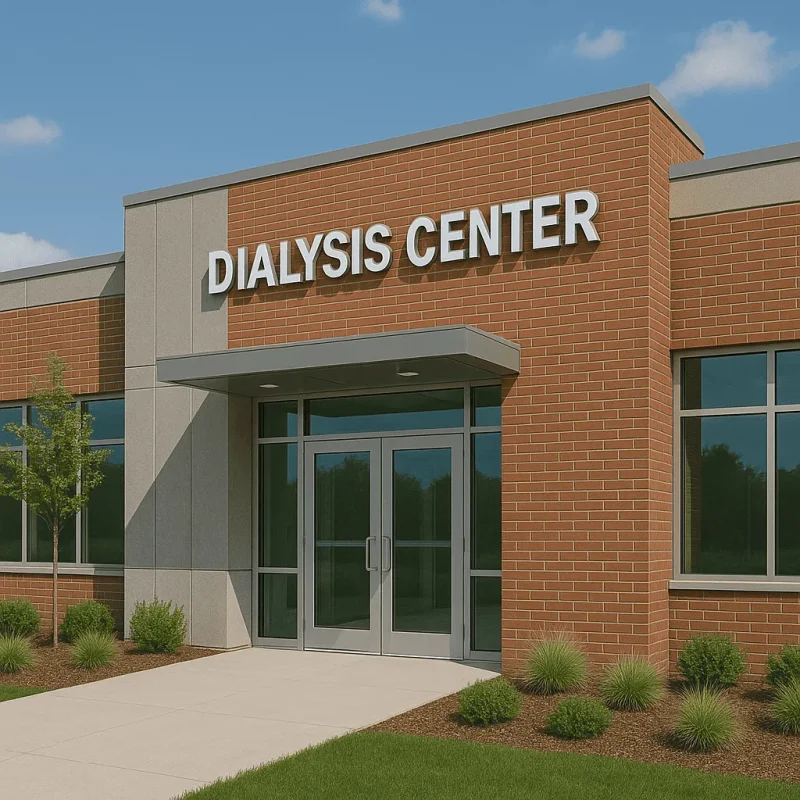
Common Challenges in Seattle Dialysis Center Construction
Building a dialysis center in Seattle involves navigating several unique challenges that affect the success and functionality of the facility. Understanding these common malfunctions is crucial for professional craftsmen engaged in construction and repair work within the healthcare sector.
- Complex Plumbing Systems: Dialysis centers require sophisticated water treatment and drainage systems that must comply with stringent health regulations to ensure patient safety.
- Electrical Load Management: Reliable power supply with backup systems is essential due to the intensive medical equipment, often leading to common malfunctions if not properly planned.
- Space Limitations in Urban Areas: Seattle\'s dense neighborhoods limit available building space, demanding innovative design and restoration strategies to maximize functionality.
- Compliance with Health Regulations: Frequent updates in healthcare codes and permits in Seattle necessitate continuous repair and upgrading efforts.
- Environmental and Seismic Considerations: Seattle\'s location requires earthquake-resistant construction techniques alongside sustainable building practices.
Key Reasons for Repairs in Seattle Dialysis Centers
Repair and restoration needs in Seattle\'s dialysis centers often stem from specific underlying causes. Identifying these reasons early can help professional craftsmen deliver optimal repair solutions.
- Wear and Tear of Medical Equipment Fixtures: High usage contributes to regular maintenance of plumbing and electrical components.
- Water Damage and Moisture Issues: In Seattle\'s damp climate, leaks and condensation can damage walls, ceilings, and floors.
- Obsolete Building Infrastructure: Older dialysis centers in neighborhoods like Ballard or Capitol Hill may require upgrades to meet modern standards.
- Failure in HVAC Systems: Proper air circulation is vital in healthcare facilities to prevent infections, making HVAC maintenance a common repair reason.
- Code Compliance Updates: Repairs are often triggered by regulatory changes requiring facility modifications.
Effective Strategies for Dialysis Center Repair and Restoration
Professional craftsmen in Seattle use targeted approaches when undertaking repair and restoration projects for dialysis centers to ensure operational efficiency and patient safety.
- Comprehensive Site Inspections: Detailed assessments to identify systemic issues related to plumbing, electrical systems, and structural integrity.
- Upgrading Water Purification Systems: Implementing state-of-the-art filtration and piping to meet health standards and reduce contamination risks.
- Structural Reinforcements: Applying seismic retrofitting techniques suitable for Seattle\'s infrastructure demands.
- Modernizing Electrical Installations: Integrating reliable power backups and surge protection tailored for medical equipment.
- Ensuring Regulatory Compliance: Continuous collaboration with Seattle\'s municipal authorities for permits and code adherence during repair works.
Remodeling Cost Factors for Seattle Dialysis Centers
The cost of construction and renovations for dialysis centers in Seattle varies based on multiple elements. Understanding these factors helps facility managers budget effectively while considering Pioneer Remodel\'s expert craftsmanship.
- Scale and Scope of the Project: Larger centers or extensive restorations require more materials, labor, and time.
- Specialized Medical Infrastructure: Installation or upgrading of dialysis machines, water treatment units, and electrical systems affects pricing.
- Location and Site Conditions: Urban sites with limited space, like those near Pike Place Market or South Lake Union, may incur higher logistical costs.
- Compliance and Permitting Fees: Costs associated with obtaining the necessary construction and health permits in Seattle.
- Materials and Labor Costs: Utilizing high-quality, durable materials designed for healthcare environments will influence total expenses.
The remodeling price often includes demolition, design consultation, material procurement, professional craftsmanship, and project management. These combined elements ensure a functional, safe, and up-to-date dialysis facility tailored to Seattle\'s healthcare demands.
Prevention and Maintenance Guidance for Seattle Dialysis Centers
Maintaining a dialysis center requires ongoing attention to prevent costly repairs and downtime. Implementing these prevention strategies is critical for facility longevity and optimal patient care.
- Routine Equipment Inspections: Regular checks of plumbing, electrical systems, and water treatment units to identify and address early signs of malfunction.
- Scheduled HVAC System Services: Ensuring proper air quality and temperature control minimizes infection risks.
- Water Quality Monitoring: Frequent testing in Seattle\'s variable climate maintains compliance with medical standards.
- Staff Training on Safety Protocols: Educating center employees on proper use and immediate reporting of infrastructure issues enhances response times.
- Timely Permit Renewals and Inspections: Staying ahead on regulatory demands reduces emergency repair needs and legal hurdles.
Conclusion
For professional, efficient, and compliant construction and repair of dialysis centers in Seattle, Pioneer Remodel offers unmatched expertise that understands the city\'s unique healthcare infrastructure requirements.