


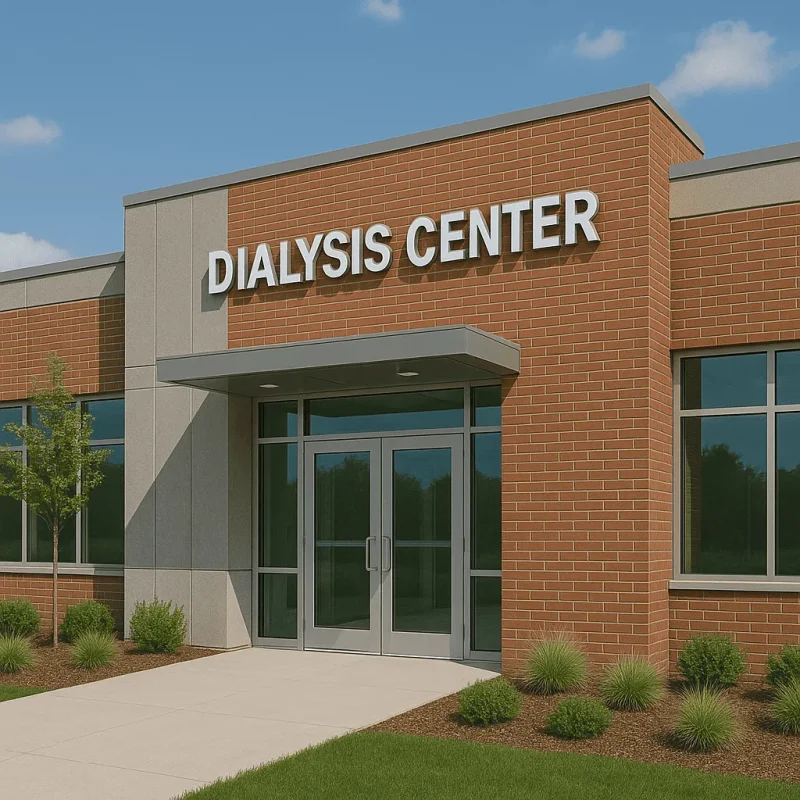
Dialysis Center Construction in Bellevue, WA
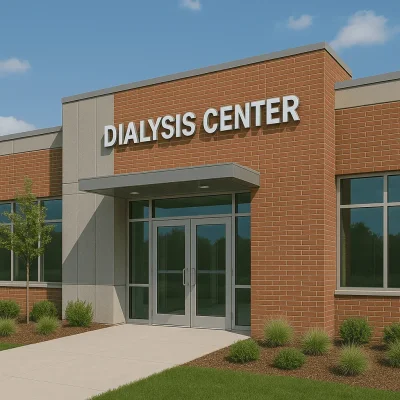
Building a dialysis center is a vital investment, especially in a thriving area like Bellevue, Washington. As the demand for renal care continues to grow, establishing a well-designed and efficient dialysis center is essential for meeting community health needs. Whether you are starting from scratch or renovating an existing facility, understanding the nuances of dialysis center construction in Bellevue can significantly impact your project’s success.
The Importance of Purpose-Built Design
When it comes to constructing a dialysis center, the design should prioritize both functionality and comfort. Dialysis patients spend several hours in the center, making an inviting atmosphere crucial for their experience. A well-planned dialysis center typically includes features such as:
- Ample treatment station spacing for patient privacy
- Patient recovery areas that are comfortable and welcoming
- Efficient layouts that allow staff to monitor patients effectively
- Necessary utility installations for dialysis machines and equipment
- Access to hygiene facilities, ensuring cleanliness and safety
In Bellevue, factors such as local building codes and patient flow must be taken into consideration. It is essential to engage with architects and contractors experienced in healthcare projects to navigate these complexities and design a facility that meets both aesthetics and operational needs.
Navigating Local Regulations and Challenges
Building a dialysis center in Bellevue involves a thorough understanding of local regulations, including zoning laws and health department requirements. Since Bellevue houses various neighborhoods, from the high-density downtown area to the more residential Eastgate and Newport Hills, each location may pose unique challenges, including:
- Land acquisition and site selection that comply with zoning regulations
- Environmental assessments, especially for sites near protected areas
- Permit acquisition processes that can involve multiple local agencies
- Adhering to healthcare construction standards as outlined by state regulations
Furthermore, older buildings may require significant renovations to meet modern healthcare standards and safety codes. Retrofitting an existing structure can be a more cost-effective solution but will still necessitate careful planning and execution to ensure compliance with all applicable laws.
Best Practices in Dialysis Center Renovation
If you are considering the renovation of an existing dialysis center, it is essential to conduct a thorough assessment of the current facility. This includes understanding what elements work well, what needs improvement, and how to integrate new technologies in patient care. Key considerations for renovation projects include:
- Upgrading electrical systems to support modern equipment
- Improving patient flow with redesigned waiting areas and treatment stations
- Implementing energy-efficient and environmentally sustainable practices
- Enhancing infection control measures to protect patient health
By focusing on these areas, you can create a facility that not only meets compliance but also fosters an improved patient experience.
What to Expect During the Construction Process
The construction of a dialysis center, whether newly built or renovated, typically follows several phases. This general timeline often involves initial consultation, design development, permitting, construction, and finally, a phased approach to opening the center. Each phase requires close communication with all stakeholders involved, including architects, builders, healthcare professionals, and local authorities.
As you embark on your dialysis center construction journey, anticipate challenges such as coordinating multiple contractor schedules and mitigating any unforeseen delays. With thorough planning and ample communication, you can create a state-of-the-art dialysis center that effectively serves the Bellevue community.
Conclusion
Investing in a dialysis center in Bellevue, WA, presents an opportunity to contribute positively to community health while navigating a complex construction environment. By focusing on purpose-built design, adhering to local regulations, and employing best renovation practices, you can create a facility that meets the needs of patients and healthcare providers alike. Ultimately, the goal is to build a center where patients feel comfortable and cared for, ensuring access to crucial renal care in the heart of Bellevue.