


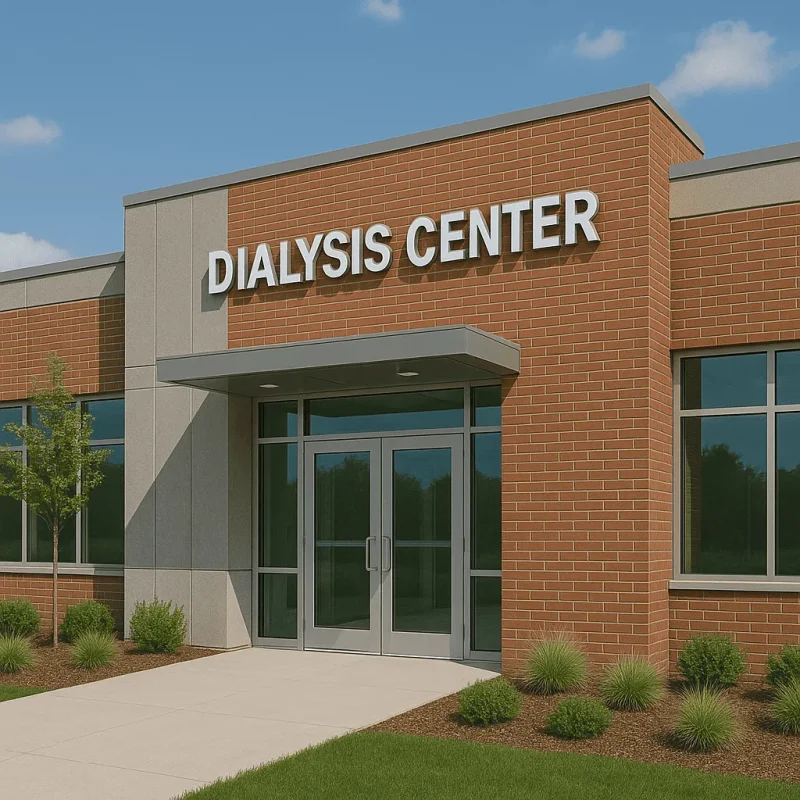
Dialysis Center Construction in Tacoma, WA
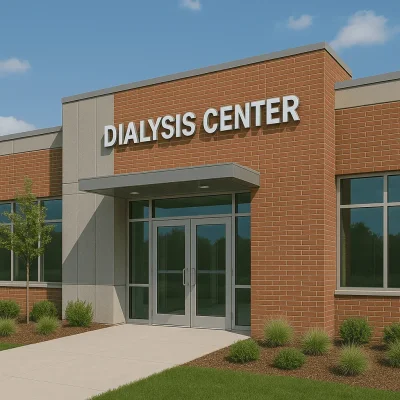
Creating a dialysis center is a specialized undertaking that requires a deep understanding of both the medical and construction industries. In Tacoma, Washington, the demand for high-quality healthcare facilities, including dialysis centers, is on the rise as the local population grows and the need for accessible medical services increases. As a construction company specializing in healthcare facilities, we are committed to delivering projects that support the health and well-being of our community.
The Importance of Design and Functionality
When constructing a dialysis center, it is essential to focus on both design and functionality. Spaces must be carefully designed to ensure comfort, safety, and efficiency for both patients and medical staff. Key considerations include:
- Patient Flow: The layout should facilitate a smooth flow of patients from check-in to treatment and discharge.
- Accessibility: Facilities must comply with the Americans with Disabilities Act (ADA) guidelines, ensuring easy access for all patients.
- Infection Control: Materials used in construction must promote hygiene and minimize the risk of infections.
- Utility Space: Adequate room for essential equipment and utilities is crucial for optimal operation.
Challenges Specific to Dialysis Center Construction in Tacoma
Constructing a dialysis center in Tacoma presents unique challenges that require thoughtful planning and execution. Some challenges that builders may encounter include:
- Local Regulations: Tacoma has specific codes and regulations governing healthcare facilities, which must be adhered to throughout the construction process.
- Site Selection: Finding an appropriate location that meets zoning requirements and is close to residential areas can be challenging.
- Infrastructure Needs: The construction may involve upgrades to existing infrastructure like plumbing, electrical systems, and HVAC to accommodate specialized equipment.
What to Expect During the Construction Process
The process of constructing a dialysis center typically involves several stages, each with specific timelines and considerations. Here’s an overview of what you can expect:
- Planning and Design: This initial phase includes site selection, securing necessary permits, and creating architectural plans. This stage usually takes several months and involves collaboration with healthcare professionals to ensure the design meets clinical needs.
- Construction: Once permits are secured, construction begins. This phase can take anywhere from 6 to 12 months, depending on the size and complexity of the project. Regular inspections will be carried out to ensure compliance with local codes.
- Final Touches and Inspection: After construction is complete, thorough inspections will be conducted to ensure that everything is up to standard and ready for occupancy.
Common Questions and Customer Concerns
As with any construction project, potential clients may have various questions or concerns regarding dialysis center construction. Here are a few frequently asked questions:
- How long does it take to construct a dialysis center? The timeline can vary, but generally, it takes between 6 to 12 months from planning to completion.
- What are the costs associated with construction? Costs will depend on the size, design, and materials used. A detailed estimate can be provided after initial consultations.
- Are there any specific building codes that must be followed? Yes, Tacoma has specific healthcare facility regulations and building codes that we adhere to during the construction process.
In conclusion, constructing a dialysis center in Tacoma, WA, involves careful planning, adherence to local regulations, and a focus on patient-centered design. Our commitment to delivering high-quality healthcare construction will ensure that your facility meets the needs of the community while providing a safe and functional environment for patients and staff alike. With the right expertise and attention to detail, we can turn your vision for a dialysis center into a reality, ensuring that it serves the community effectively for years to come.