


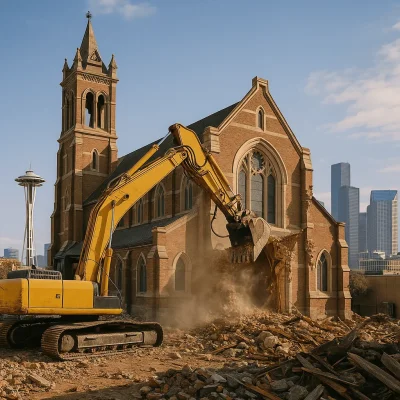
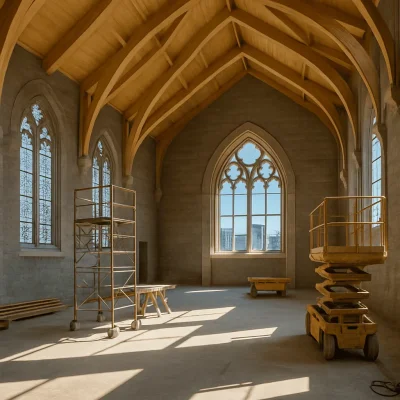
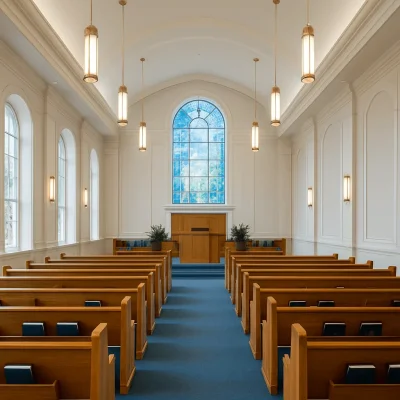
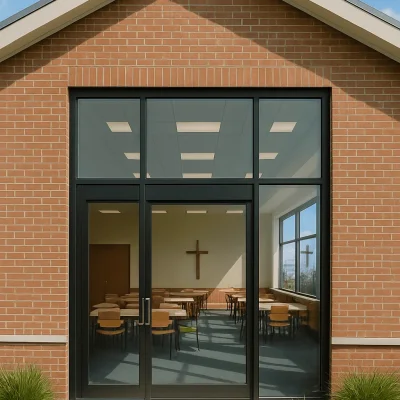
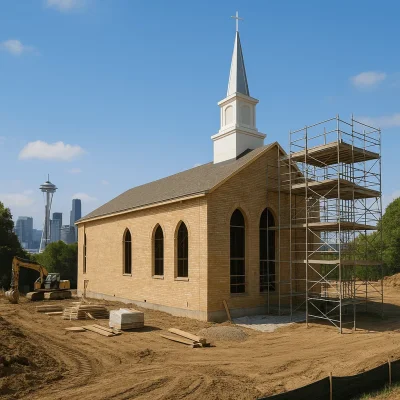
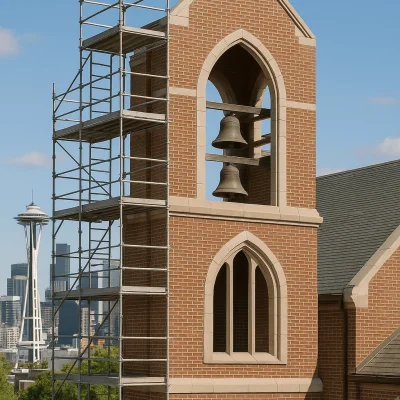


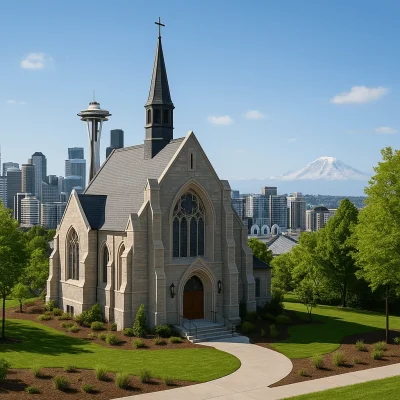
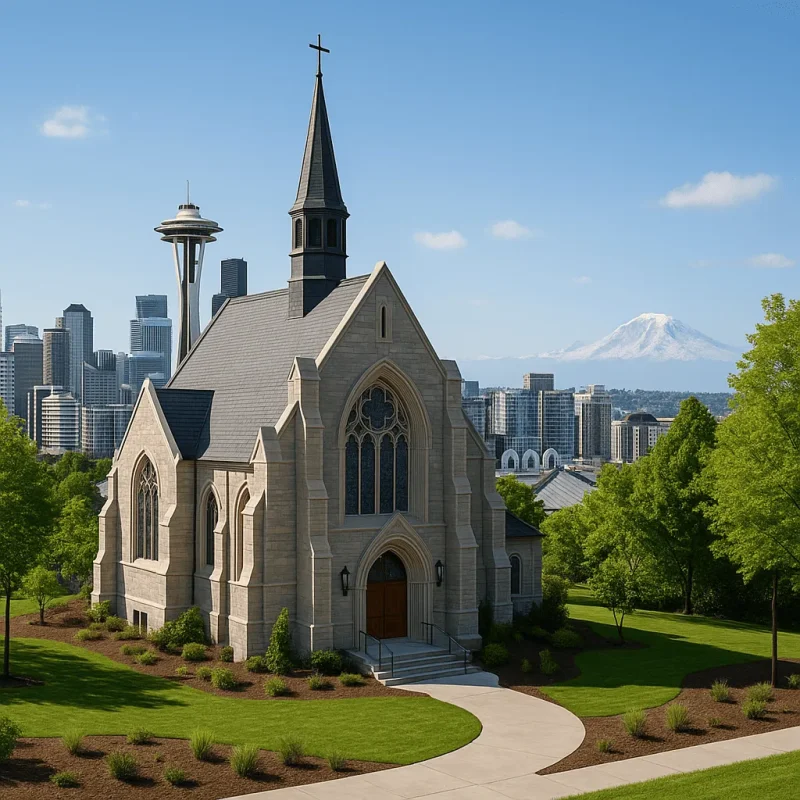
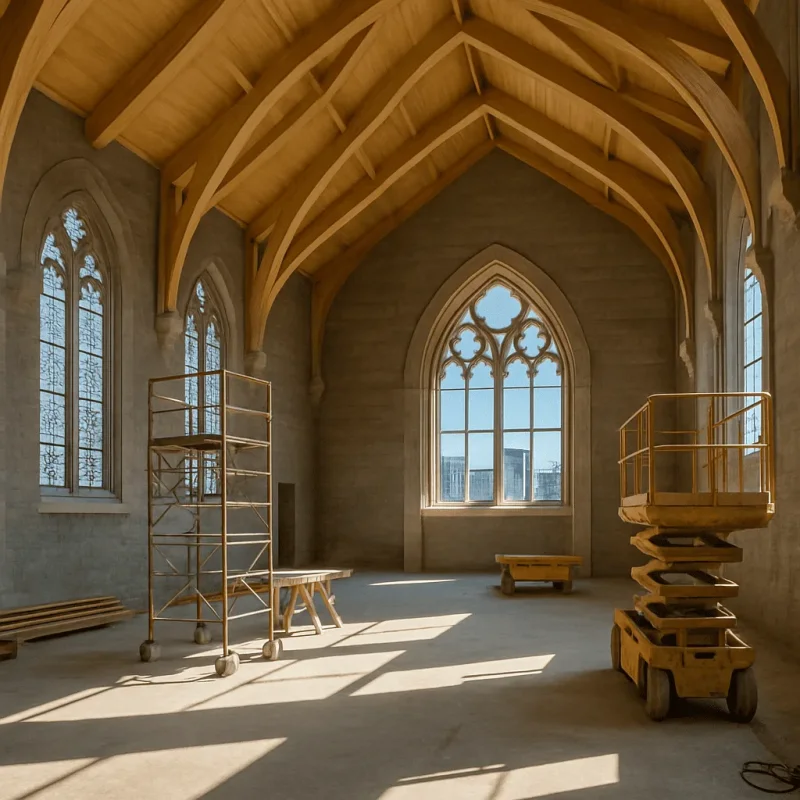
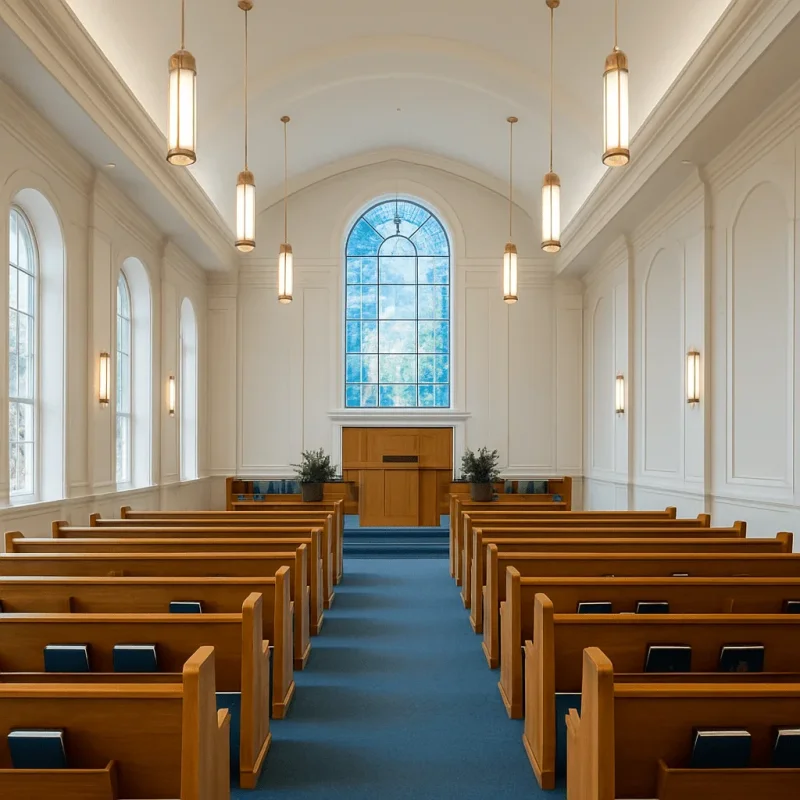
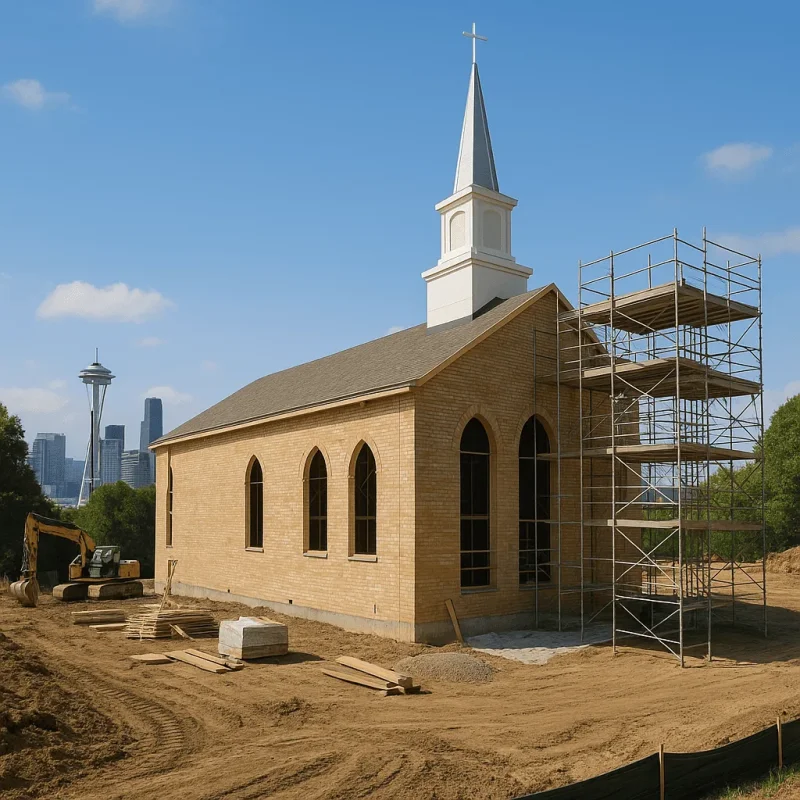
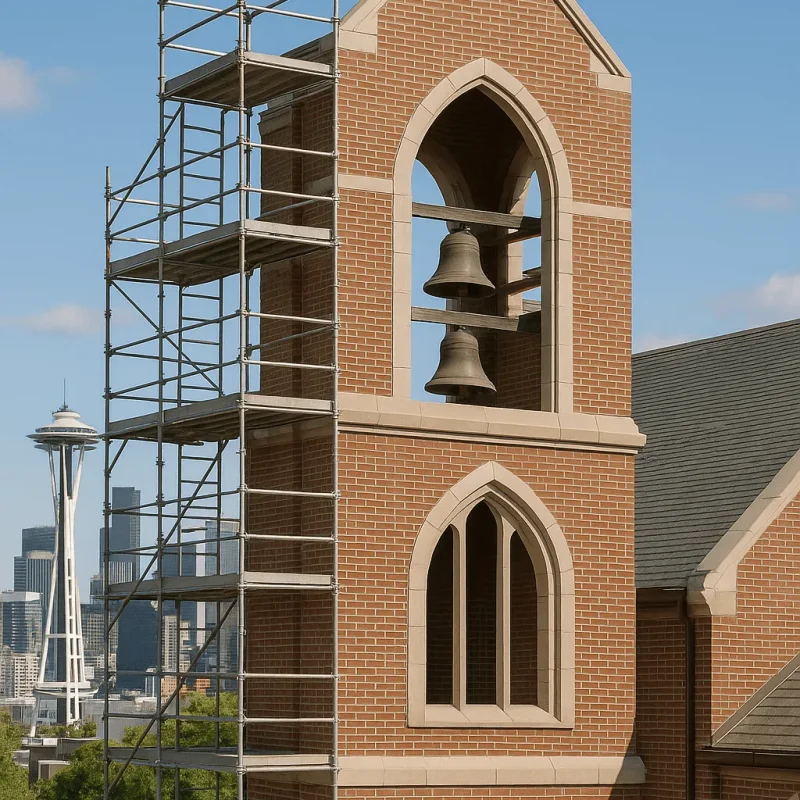
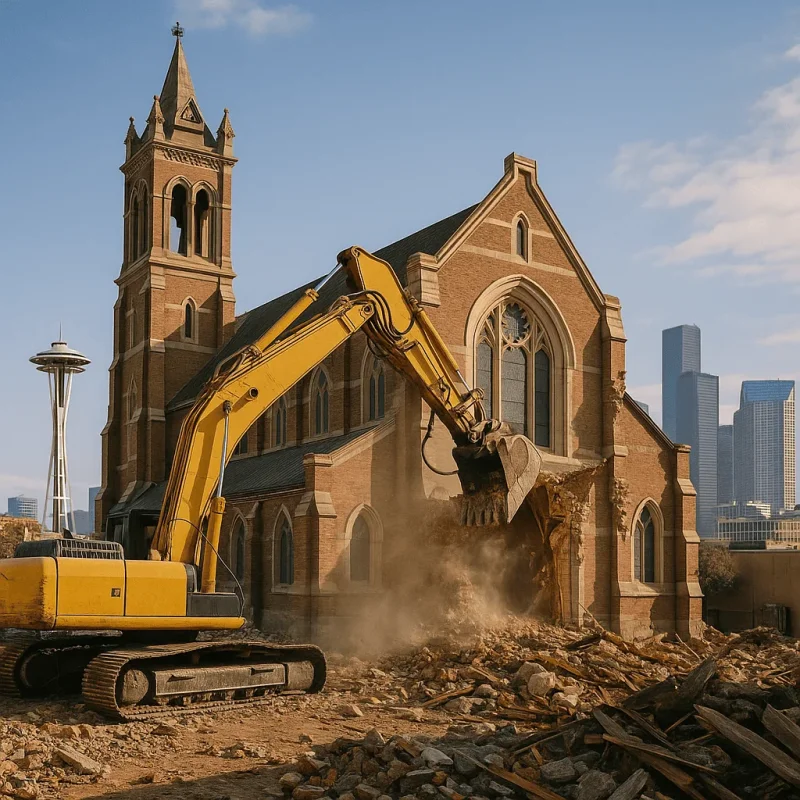
Seattle Religious Building Construction plays an important role in preserving the city’s cultural and spiritual life while meeting the needs of diverse communities. From historic churches in Capitol Hill and Queen Anne to newly built temples, mosques, and community worship centers in Ballard, Rainier Valley, and West Seattle, these buildings require a balance of tradition, durability, and modern safety standards. Pioneer Remodel provides professional construction and remodeling services for religious buildings, ensuring projects comply with Seattle’s building codes, seismic requirements, and accessibility regulations. With the city’s focus on sustainability and community development, religious building construction must integrate both cultural identity and long-term resilience.
Common malfunctions
Many religious buildings in Seattle face issues caused by age, constant use, and the damp climate. Roof leaks and water infiltration are common, especially in older churches with steep roofs. Wooden structures may rot or warp, while masonry can crack due to moisture and seismic shifts. Outdated HVAC systems fail to provide adequate heating and ventilation, creating discomfort for congregations. Electrical systems often need upgrading to handle modern lighting and sound equipment, while worn flooring and seating reduce comfort and safety.
- Roof leaks and water damage.
- Rotting wood or cracked masonry.
- Outdated HVAC and ventilation systems.
- Insufficient electrical capacity for modern equipment.
- Worn flooring, pews, or seating areas.
These malfunctions impact safety, comfort, and aesthetics, making timely repair and reconstruction essential for Seattle’s religious buildings.
Reasons for reconstruction Seattle Religious Building Construction
There are several reasons why religious building reconstruction is prioritized in Seattle. Many historic churches and temples require updates to meet seismic and fire safety standards. Growing congregations demand larger or more versatile spaces. Energy efficiency improvements are important in line with Seattle’s sustainability goals. Modern technology integration, such as sound systems and digital infrastructure, also drives remodeling projects. Finally, restoration helps preserve the cultural and architectural heritage of religious landmarks while adapting them to contemporary use.
- Complying with safety, seismic, and fire codes.
- Expanding capacity for growing congregations.
- Improving energy efficiency and reducing operating costs.
- Integrating modern sound and digital systems.
- Preserving historic character while modernizing functions.
These factors highlight the importance of combining preservation with modernization in Seattle religious building construction.
How is Seattle Religious Building Construction repair carried out
The process of religious building construction and remodeling in Seattle begins with a detailed site and structural assessment. Pioneer Remodel collaborates with architects, engineers, and community leaders to design spaces that reflect cultural and spiritual identity while meeting safety standards. Permits and approvals are secured in accordance with Seattle’s building codes and zoning laws.
Construction may involve roof replacement, foundation reinforcement, and seismic upgrades to ensure structural integrity. HVAC, electrical, and plumbing systems are modernized to improve comfort and safety. Interiors are designed to enhance acoustics, lighting, and seating arrangements for congregational use. Historic restoration projects often require specialized craftsmanship to preserve stained glass, woodwork, or stone facades. Accessibility features such as ramps and elevators are integrated to comply with ADA requirements. Exteriors are finished with weather-resistant materials to withstand Seattle’s rainy climate.
Throughout the process, Pioneer Remodel ensures quality, durability, and respect for the cultural significance of each project.
Cost of Seattle Religious Building Construction repair
The cost of religious building construction or remodeling in Seattle depends on several factors. The size and purpose of the building, whether a small community chapel or a large cathedral, strongly influence costs. The condition of existing structures in restoration projects adds complexity. Material choices, including stone, wood, or modern composites, also affect the budget. Incorporating sustainability features or advanced technology may increase initial investment but reduce long-term costs. Permits, inspections, and seismic compliance requirements in Seattle also contribute to expenses.
- Building size and congregation capacity.
- Material and finish selection, including historic restorations.
- Upgrades to HVAC, plumbing, and electrical systems.
- Design complexity and inclusion of accessibility features.
- Permit, seismic, and compliance costs in Seattle.
Pioneer Remodel provides transparent cost breakdowns, covering planning, demolition, system upgrades, construction, and finishing. This ensures religious organizations can plan their investments effectively while maintaining financial clarity.
Prevention and maintenance
Ongoing maintenance is critical for preserving religious buildings in Seattle’s climate. Roofs should be inspected regularly for leaks, while gutters and drainage systems must be cleaned to prevent water damage. HVAC systems require periodic servicing to maintain comfort for large gatherings. Floors, seating, and finishes should be restored or replaced as needed. Exterior materials such as wood or stone require sealing or cleaning to withstand the Pacific Northwest weather. Preventive care reduces long-term costs and preserves the cultural and spiritual role of religious facilities.
- Inspect and maintain roofs and drainage systems annually.
- Service HVAC and electrical systems regularly.
- Repair worn flooring, seating, and finishes.
- Preserve and restore historic architectural details.
- Maintain accessibility and safety features in compliance with codes.
Pioneer Remodel also offers maintenance programs, helping Seattle religious organizations protect their investments and extend the life of their buildings.
Conclusion
Seattle Religious Building Construction is a vital service that combines cultural preservation with modern functionality. Common malfunctions such as leaks, outdated systems, and structural issues highlight the need for timely remodeling. Reconstruction projects help congregations meet safety standards, expand capacity, and modernize facilities while preserving historic value. The construction process includes planning, structural reinforcement, system upgrades, and finishing, carried out in compliance with Seattle’s building codes. While costs vary depending on size and complexity, transparent planning from Pioneer Remodel ensures confidence and long-term value. With preventive maintenance and professional craftsmanship, religious buildings in Seattle remain safe, welcoming, and inspiring spaces that serve communities for generations.