




Common malfunctions
Kitchens in the city of Seattle often reveal a similar set of weak points that accumulate over years of heavy use and moisture exposure. In Craftsman houses in Ballard and older bungalows in Wallingford, galvanized water lines can restrict pressure at the sink, while aging cast iron drains corrode and weep into the cabinet base. In mid century residences around Magnolia or Wedgwood, undersized electrical circuits struggle with today’s induction ranges and double ovens, leading to nuisance breaker trips. Condo towers in South Lake Union or Belltown frequently suffer from poor ventilation and recirculating hoods that never move steam outdoors, which aggravates condensation and lingering odors in the rainy season. In many prewar Queen Anne homes, lingering knob and tube wiring behind tile backsplashes raises safety risks and complicates any repair or restoration.
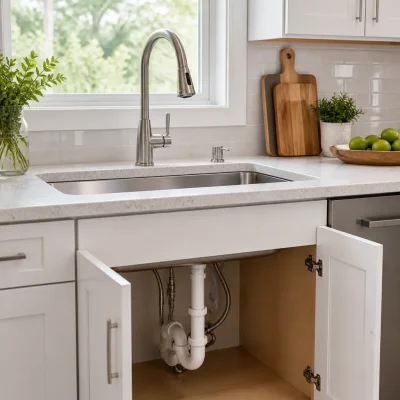
Another cluster of malfunctions stems from water intrusion. Dishwasher and refrigerator supply lines can leak unnoticed, swelling subfloors and warping hardwood near the toe kick. Cracked grout or failed silicone joints around the sink and range splash allow moisture to creep behind tile, feeding mold on cold exterior walls. Poor duct design lets range hood exhaust blow back through a short roof cap during windstorms over Elliott Bay, while inadequate make up air causes smoke to spill into living rooms. Finally, hastily executed remodels without proper permits may hide unstrapped drains, improper GFCI protection, or unprotected gas lines that fail inspection when it is time to sell.
- Low water pressure from old galvanized pipes and partially blocked cartridges
- Frequent breaker trips due to insufficient kitchen circuits and lack of AFCI or GFCI protection
- Recirculating hoods that do not meet code for grease and steam removal
- Sagging cabinet boxes, loose hinges, and drawer slides out of alignment
- Soft subfloor from chronic leaks at sink, dishwasher, or icemaker line
- Tile cracks from structural deflection or minor seismic movement
- Lead paint or asbestos mastics in legacy finishes requiring abatement
- Unpermitted alterations that complicate resale and insurance claims
When these issues converge, the result is a kitchen that is uncomfortable, inefficient, and difficult to clean. Professional craftsmen evaluate not only the surface symptoms but also the underlying causes in framing, plumbing, ventilation, and electrical systems. That holistic approach allows a scope of construction and repair that fixes defects, modernizes performance, and prepares the space for the Pacific Northwest climate.
Reasons for reconstruction Kitchen Remodeling in Seattle
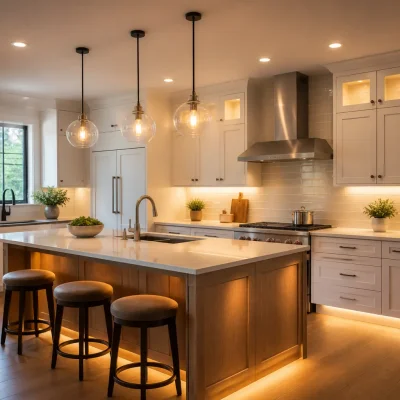
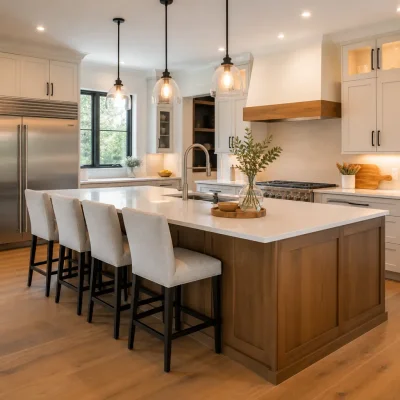
Owners choose to reconstruct and upgrade their kitchens for a mix of technical, lifestyle, and market reasons unique to the city. With dense neighborhoods like Capitol Hill and Fremont favoring compact footprints, smart layout planning can unlock storage, prep space, and safe appliance clearances without expanding the home. Open concept living remains popular across West Seattle and Green Lake, where sightlines to the dining room or a partial view toward the Space Needle make daily routines more enjoyable. At the same time, stricter energy codes and electrification initiatives encourage high efficiency induction ranges, heat pump water heaters, and robust ventilation systems.
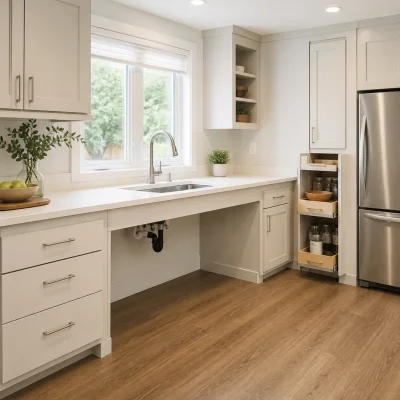
Work from home trends place greater emphasis on acoustics, lighting, and multi purpose islands that double as homework or laptop zones. Multi generational households may need universal design features such as wider clearances, pull out shelves, touch free faucets, and better task lighting. For many, a well planned kitchen renovation balances comfort with long term resale value in a technology driven market. Pioneer Remodel often hears from clients in Madison Park or Ravenna who want timeless finishes, durable countertops, and a workflow that supports frequent cooking with seasonal produce from Pike Place Market.
- Resolve chronic malfunctions that repairs cannot fully solve
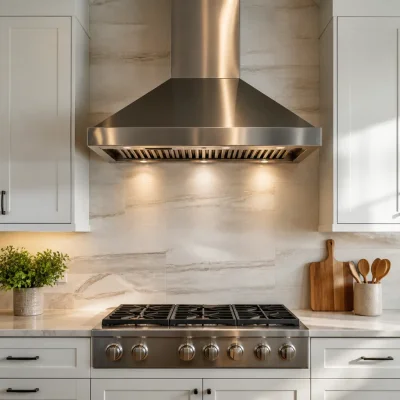
- Improve ventilation and indoor air quality for the marine climate
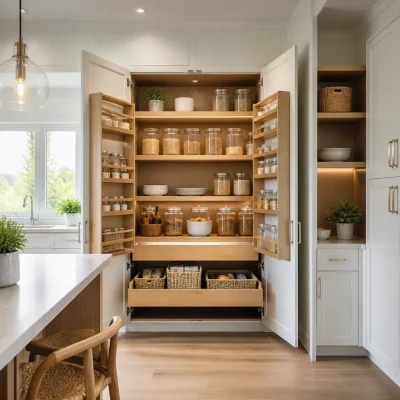
- Adapt to compact homes and townhouses with space saving storage
- Upgrade to safer, code compliant electrical and plumbing systems
- Integrate sustainable materials and energy efficient appliances
- Create a flexible layout for family, entertaining, and remote work
- Increase market appeal and confidence for future resale
Seattle permitting, condominium rules, and historic considerations also drive decisions. In designated historic pockets of Queen Anne or Pioneer Square, reconstruction must protect character while replacing outdated systems. In condos, homeowners coordinate with the HOA on hours, elevator reservations, and water shutoffs. These realities reinforce the value of an organized, professional construction team familiar with local procedures.
How is Kitchen Remodeling in Seattle repair carried out
A robust process turns a vision into an inspected, warrantied result. Experienced teams such as Pioneer Remodel align design, engineering, permits, and trade sequencing to compress timelines and protect neighboring spaces in dense urban settings. The approach prioritizes code compliance with the Seattle Department of Construction and Inspections, dust control for health, and reliable logistics in narrow streets from Phinney Ridge to First Hill.
- Consultation and assessment: A site visit documents dimensions, systems, and risks such as lead paint or suspect floor mastics. Pain points, budget tiers, and desired finishes are mapped to a preliminary scope.
- Design development: Space planning resolves appliance clearances, aisle widths, and work zones. 3D views clarify cabinet lines, lighting layers, and tile patterns. Engineering addresses wall removals or new beams in older structures.
- Permit and coordination: The team prepares drawings for SDCI permits, electrical and plumbing approvals, and, for condos, HOA submissions. Neighbors are notified of start dates and delivery windows.
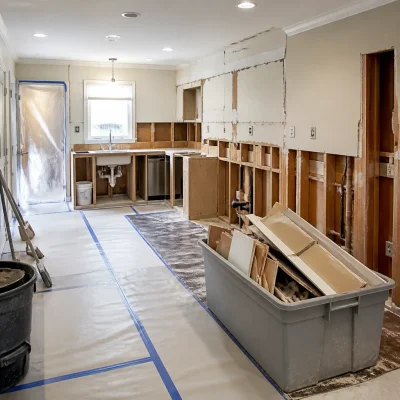
- Pre construction protection: Floor, stair, and elevator protection is installed. Dust barriers and negative air machines establish clean work zones that respect adjoining rooms.
- Selective demolition and abatement: Finishes are removed methodically. If tests reveal regulated materials, licensed abatement is scheduled. Salvage of usable cabinets or doors supports Seattle reuse culture.
- Rough in work: Plumbing supply and waste lines are replaced or rerouted. Electrical service is balanced with dedicated circuits for microwave drawer, dishwasher, and future upgrades. Vent ducts are sized and routed to the exterior with appropriate caps and backdraft dampers.
- Inspections: Rough inspections verify framing, mechanical, electrical, and plumbing. Adjustments are made promptly to keep momentum.
- Close in: Insulation, air sealing, drywall, and sound control layers are installed, a priority in multifamily buildings.
- Cabinetry and finish: Boxes, panels, and hardware are leveled and secured to plumb walls. Countertops are templated, fabricated, and installed. Tile setting, flooring, and trim follow, with careful attention to wet zone detailing.
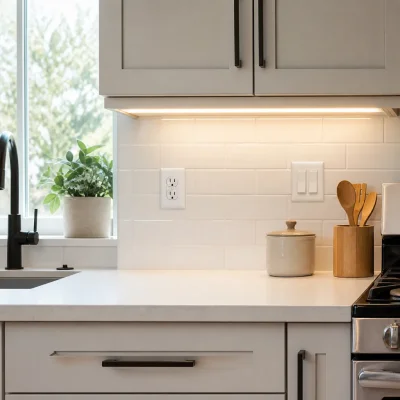
- Lighting and fixture set: Recessed, under cabinet, and decorative fixtures are aimed and tested. Appliances are leveled, connected, and commissioned.
- Final inspection, cleaning, and handover: The site is detailed, manuals provided, and a punch list is resolved. A warranty and maintenance guide help owners care for the new kitchen.
This sequence, executed by professional craftsmen, reduces surprises and supports predictable scheduling in busy Seattle neighborhoods where delivery windows and parking are limited. Clear communication keeps all stakeholders aligned from pre construction to final walkthrough.
Cost of Kitchen Remodeling in Seattle repair
Investment levels span a broad spectrum depending on scope, building type, and finish standards. A light refresh might concentrate on surfaces, lighting, and minor repairs without moving utilities. A mid scope renovation may reconfigure appliances, replace cabinets, and overhaul electrical and plumbing within the existing envelope. A comprehensive reconstruction involves structural changes, full system replacements, and premium custom finishes. The correct range for a project is established after site review, clear program definition, and preliminary selections. Pioneer Remodel prepares a transparent line item estimate that groups labor, materials, and allowances for informed decision making.
- Factors that shape the budget include size of the kitchen, age and condition of the structure, level of design customization, and whether walls are moved or opened
- System upgrades such as panel capacity increases, dedicated circuits, new vent paths, and drain relocations add complexity
- Building constraints in Capitol Hill or Downtown high rises can influence logistics, elevator bookings, and staging costs
- Material choices, from cabinet construction and finish to countertop type and tile, affect both cost and lead time
- Hazardous material testing and any required abatement are planned into the schedule and cost range
- Permit, plan review, and inspections are included as part of a compliant process with the city
Typical inclusions in a full service scope are design and documentation, permit management, demolition and debris hauling with proper disposal, framing and drywall, rough and finish plumbing, rough and finish electrical, HVAC and ventilation integration, cabinet and countertop installation, tile and flooring, painting, trim, final cleaning, and turnover with a warranty. Optional items may include temporary kitchen setups, after hours work windows to meet HOA rules, and specialized features such as built in banquettes or integrated lighting control. By aligning scope and selections early, clients receive a realistic range without unexpected charges during construction.
Prevention and maintenance
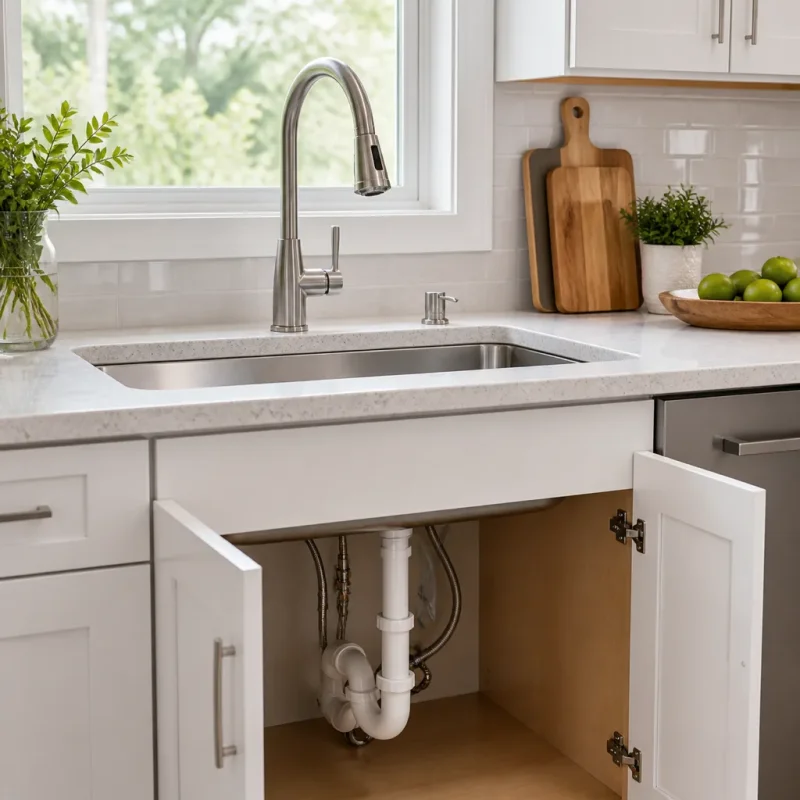
After renovation, thoughtful care protects the investment and extends finish life in Seattle’s wet climate. Moisture control and regular inspection are the most effective habits. Turn on the range hood with each cook, and let it run a few minutes after finishing to clear steam. Clean metal filters on a schedule so airflow stays strong. Keep a small log of filter and bulb changes near the panel to avoid forgetting when intervals are due. Inspect under sink shutoffs and braided lines for signs of rubbing or corrosion after moves or heavy use.
- Wipe and dry the sink deck and counters after heavy prep to discourage mold at caulk lines
- Re caulk and re seal grout as recommended by the material manufacturer to prevent water intrusion
- Test GFCI and AFCI devices on a routine basis and label circuits clearly
- Use cutting boards and trivets to protect counters, and follow stone or wood care guidelines
- Check appliance leveling annually to keep doors and drawers aligned
- Vacuum refrigerator coils and clear toe kicks to maintain efficiency and airflow
- Place leak sensors near dishwasher and sink base for early warning in case of slow drips
- Schedule periodic tune ups with professional craftsmen for hinge adjustment, recaulking, and vent inspection
In compact homes across Green Lake or Beacon Hill, clutter quickly hides early warnings. Adopt storage systems that keep base cabinets accessible, and maintain a simple checklist for seasonal checks. These practices protect both beauty and function while reducing the likelihood of emergency repair.
Conclusion
Kitchen Renovation in the city of Seattle succeeds when design, construction, repair, and restoration are integrated by a coordinated team that respects codes, neighbors, and the realities of dense urban living. From Pike Place Market area condos to family homes in Ballard, each project deserves clear planning, clean execution, and a crew of professional craftsmen who communicate and stand behind their work. Pioneer Remodel delivers that approach with local permitting knowledge, careful dust control, and a sequence that minimizes disruption while elevating daily life.
If you are evaluating Kitchen Remodeling in Seattle for functional upgrades, long term durability, or market appeal, begin with a practical assessment and a conversation about budget ranges and priorities. Explore what can be achieved within your footprint, choose materials that suit the marine climate, and align the schedule with access and HOA requirements. Reach out to Pioneer Remodel to discuss your goals, compare scope options, and move confidently toward a kitchen that works beautifully for many years in the heart of Seattle.