


Common Challenges in Seattle Indoor Arena Construction
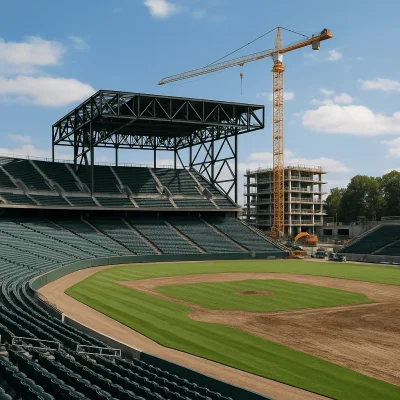
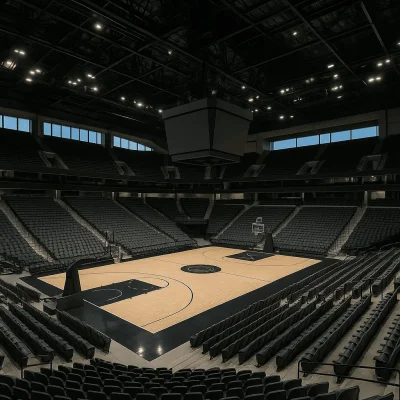
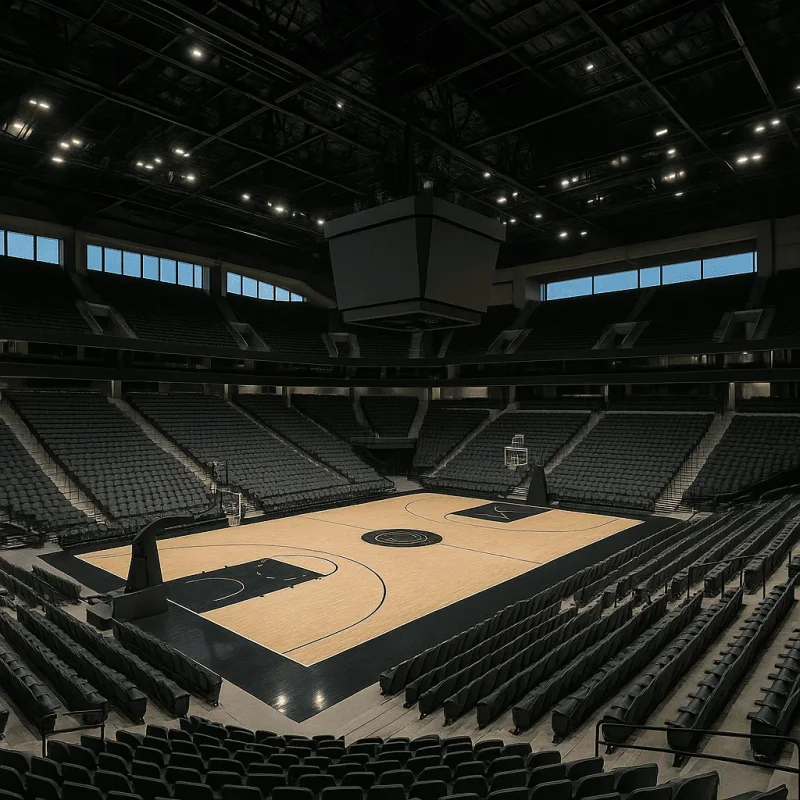
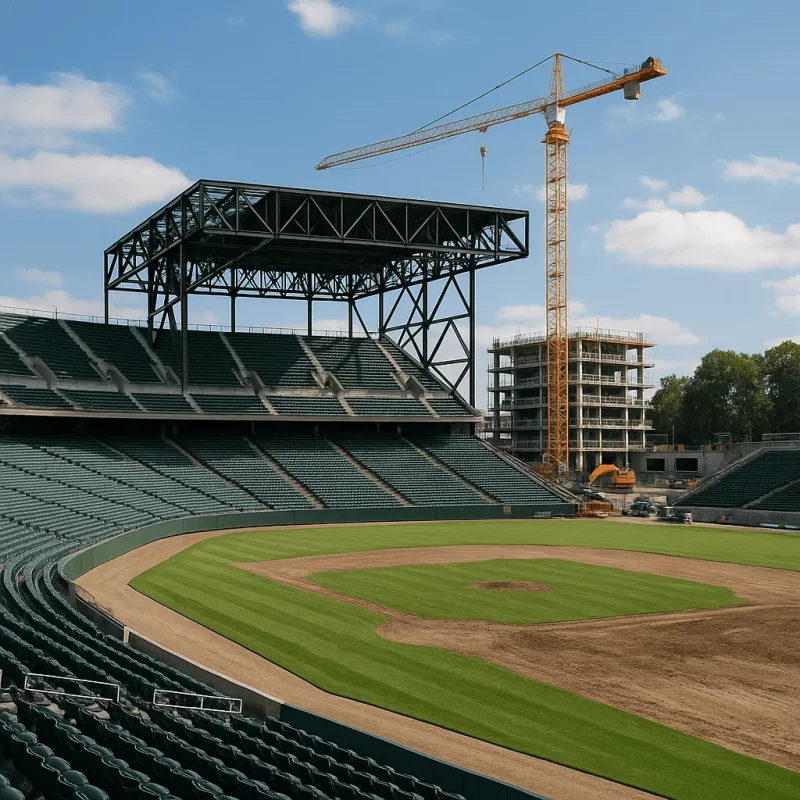
Constructing an indoor arena in Seattle presents unique challenges that demand expert attention and professional craftsmanship. Factors such as the city’s rainy climate, seismic activity, and local building codes influence construction strategies. Common challenges include:
- Weather Resilience: Seattle\'s frequent rain and moisture require durable roofing and waterproofing solutions to protect the arena structure.
- Seismic Safety: Construction must comply with stringent earthquake-resistant building codes to ensure safety and stability.
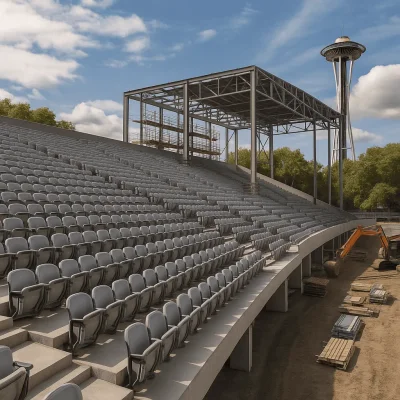
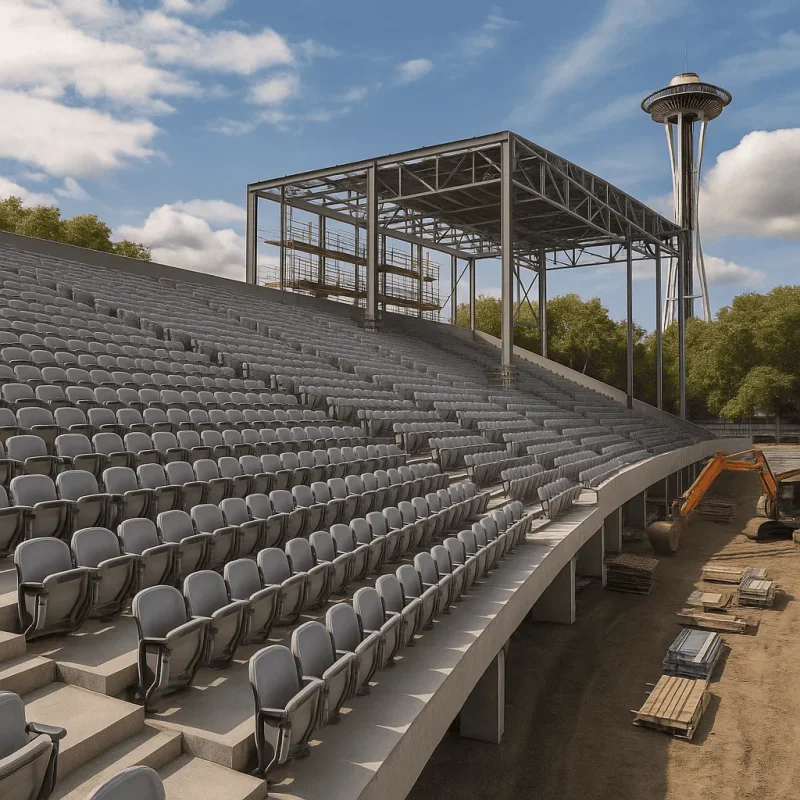
- Space Constraints: Limited urban space, especially near landmarks like the Space Needle and downtown hubs, mandates efficient site utilization.
- Acoustic Optimization: Indoor arenas need advanced soundproofing and acoustic design to enhance event experiences.
- Permitting and Regulations: Navigating the complex permitting process in Seattle demands local expertise in code compliance and approvals.
Key Reasons to Hire Professional Craftsmen for Indoor Arena Construction in Seattle
Seattle’s indoor arena projects require specialized knowledge and skills. Hiring professional craftsmen ensures that the project meets quality standards and navigates local conditions effectively. Important reasons to choose experts include:
- Experience with Local Conditions: Understanding Seattle\'s climate, local materials, and construction codes is critical.
- Efficient Project Management: Professionals coordinate timelines, suppliers, and inspections to avoid costly delays.
- Innovative Design Solutions: Experts provide tailored designs that maximize space and functionality.
- Quality Assurance and Safety: Skilled craftsmen ensure structural integrity and adhere to OSHA and city regulations.
- Cost-Effective Execution: Proper planning with professionals helps control budgets and reduce waste.
How to Approach Seattle Indoor Arena Construction Projects
Successful construction of indoor arenas in Seattle involves a structured process guided by experienced builders such as Pioneer Remodel, who specialize in large-scale projects. The process typically includes:
- Initial Consultation and Site Analysis: Assessing location feasibility, zoning, and environmental impact.
- Design Development: Creating blueprints that address seating capacity, access points, and spectator comfort.
- Material Selection: Choosing moisture-resistant, sustainable, and seismically sound construction materials.
- Permitting and Approval: Managing Seattle\'s regulatory requirements and securing necessary permits.
- Construction Phase: Coordinated execution led by professional craftsmen using best practices.
- Inspection and Finalization: Ensuring the completed arena meets all safety and quality standards.
Remodelling and Construction Cost Factors for Indoor Arenas in Seattle
Determining the cost of indoor arena construction or remodeling in Seattle depends on multiple elements. Understanding these can help owners and developers plan budgets effectively. Key pricing factors include:
- Project Scale and Size: Larger arenas with higher seating capacity require more materials and labor.
- Structural Complexity: Advanced designs with features such as retractable roofs or specialized acoustics increase costs.
- Material Quality: The use of premium and weather-resistant materials affects pricing.
- Local Regulatory Compliance: Costs include permitting fees and potential modifications to meet code standards.
- Labor Costs: Hiring skilled professional craftsmen known in the Seattle market ensures quality but influences budget.
The final cost typically covers materials, labor, equipment, permit fees, and project management expenses. Transparent communication with builders like Pioneer Remodel ensures a clear understanding of the scope and investment.
Prevention and Maintenance for Long-Lasting Indoor Arenas in Seattle
Regular maintenance and preventative measures are essential to sustain the functionality and appearance of indoor arenas, especially given Seattle’s weather and urban environment. Recommended practices include:
- Routine Inspections: Checking roofing, drainage, and structural elements for early signs of wear or damage.
- Waterproofing and Drainage Maintenance: Ensuring sealants and gutters function properly to prevent moisture intrusion.
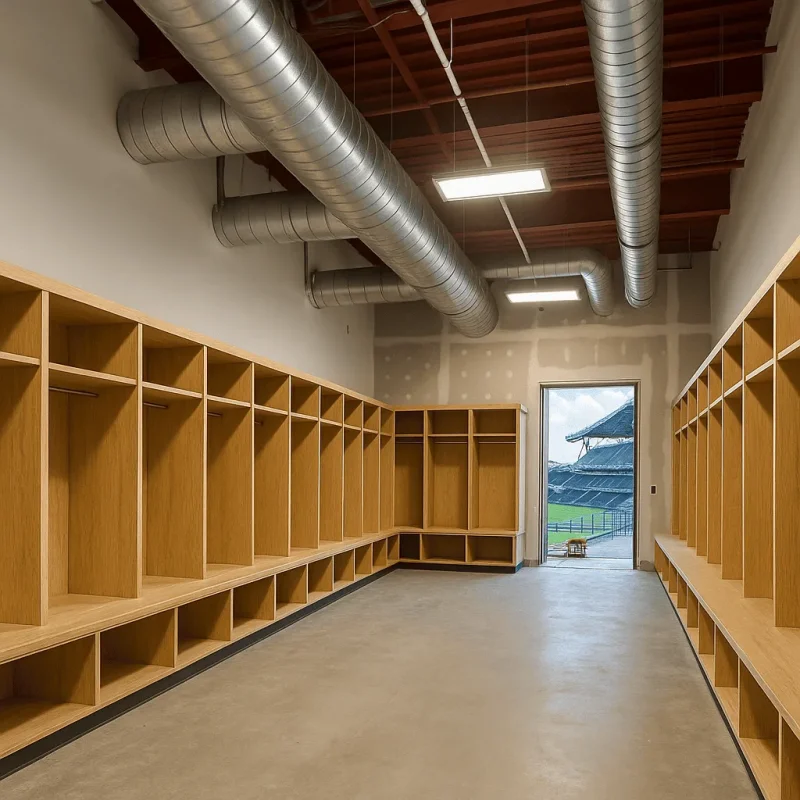
- HVAC and Ventilation Upkeep: Maintaining climate control systems to support spectator comfort and structural health.
- Seismic Retrofitting: Periodically updating the structure to comply with evolving earthquake safety standards.
- Cleaning and Upkeep: Regularly maintaining interior surfaces and seating to enhance the visitor experience and preserve value.
Conclusion
Partnering with professional craftsmen like Pioneer Remodel ensures Seattle indoor arena construction projects are executed efficiently, safely, and to the highest standards.