


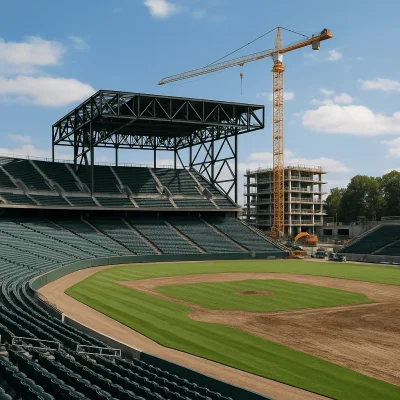
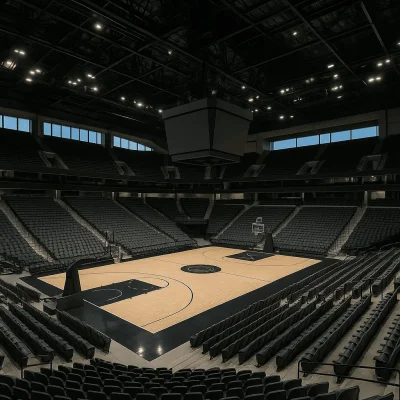
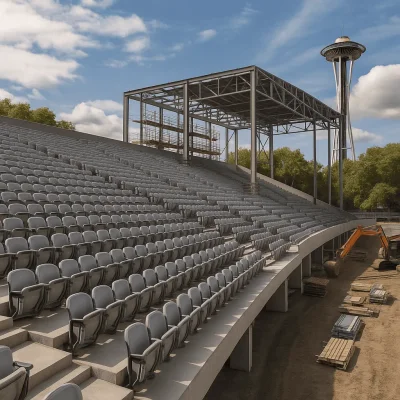
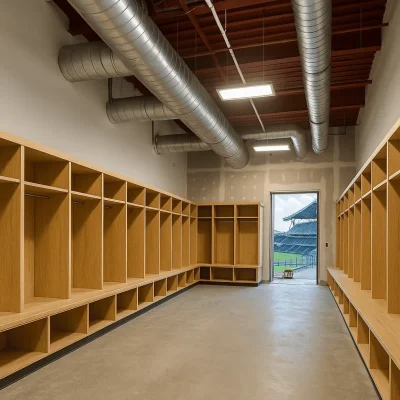
Indoor Arena Construction in Bellevue, WA
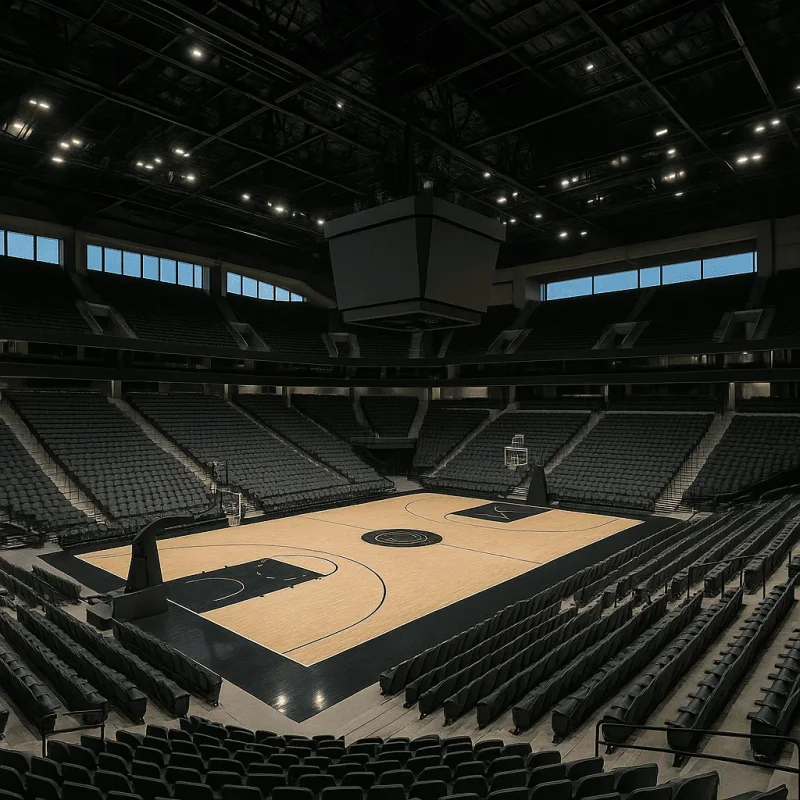
When it comes to constructing an indoor arena in Bellevue, Washington, it is essential to partner with a knowledgeable and experienced contractor who understands the unique requirements of this specialized facility. Whether you're looking to create a space for equestrian events, sports tournaments, or community gatherings, the process involves a meticulous approach that ensures functionality, safety, and aesthetic appeal. This guide outlines the critical aspects of indoor arena construction, providing insights into the benefits, challenges, and what you can expect throughout the project.
Understanding the Construction Process
The construction of an indoor arena generally follows a structured process that begins with planning and design. Collaboration with architects and designers familiar with the local Bellevue building regulations is crucial. They will consider factors such as zoning laws, site selection, and existing infrastructure, particularly since various neighborhoods in Bellevue may have distinct building codes. Furthermore, the selection of materials is vital, as you want to ensure durability while providing an environment suitable for your intended activities.
After the design phase, the construction process can be broken into key stages:
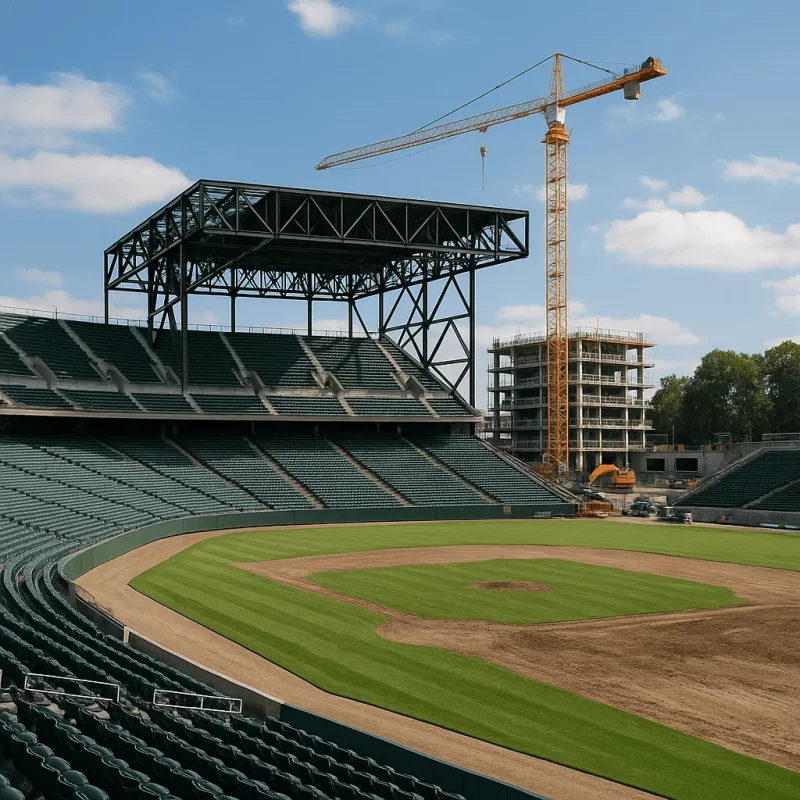
- Site Preparation and Foundation Work: Excavate and level the area to ensure a stable base.
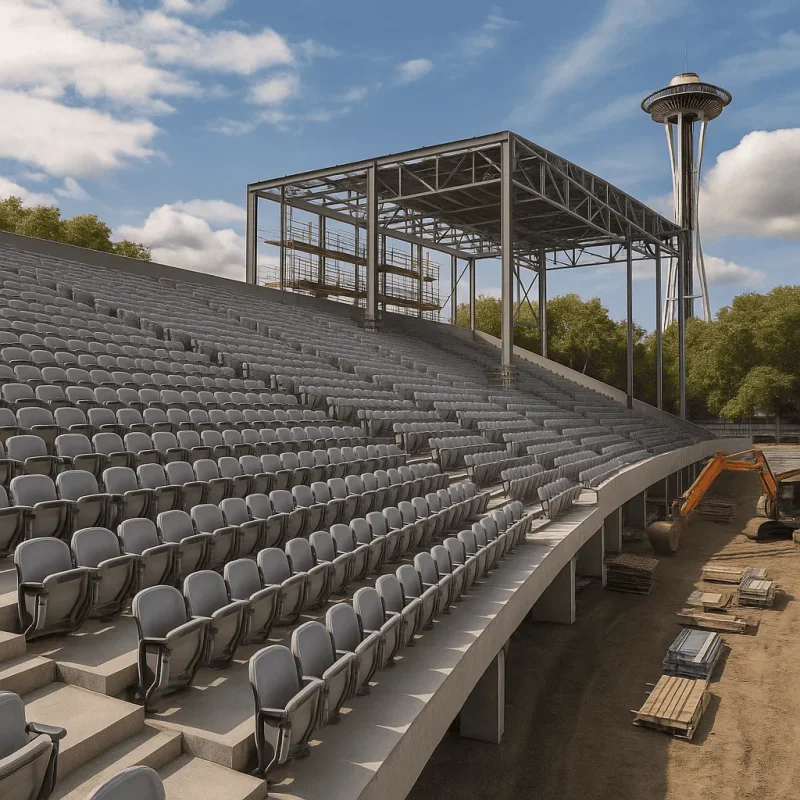
- Structure Assembly: Choose between steel, wood, or fabric structures based on budget, purpose, and local weather considerations.
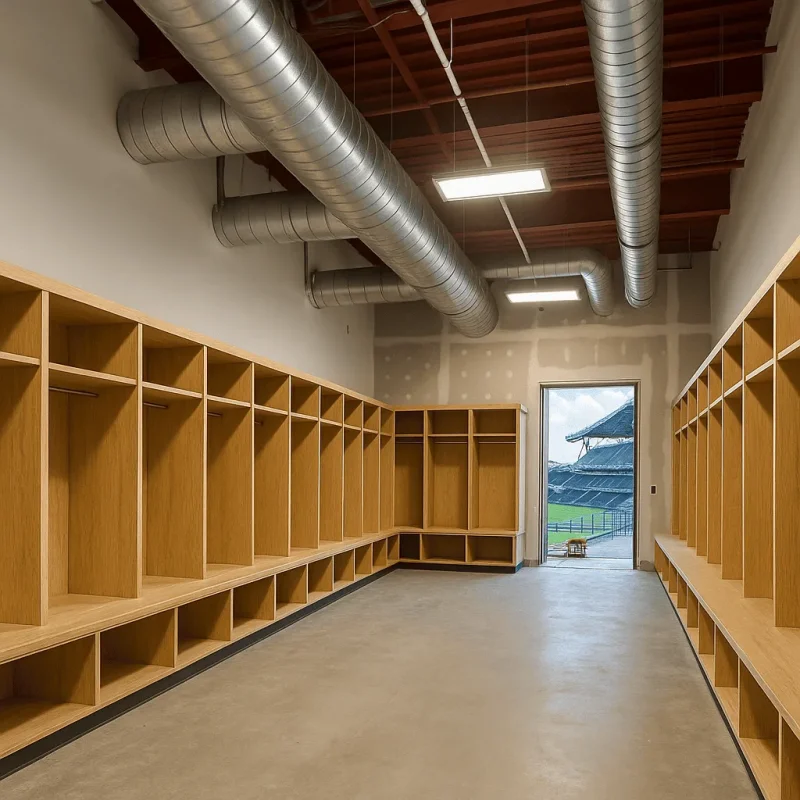
- Interior Design and Features: Plan for appropriate lighting, ventilation, flooring options, and spectator seating.
- Final Inspections: Ensure that all aspects meet safety and local regulatory requirements.
Benefits of an Indoor Arena
The addition of an indoor arena offers numerous benefits to the Bellevue community. First and foremost, it provides a controlled environment for year-round activities regardless of the season. This is particularly beneficial for equestrian events, sporting games, and training sessions, allowing athletes and participants to practice without concern for outdoor conditions. Moreover, an indoor arena can help foster community engagement by hosting public events, competitions, and training clinics, supporting local businesses and enriching the cultural fabric of the area.
Moreover, constructing an indoor arena opens up opportunities for revenue through rentals, lessons, and events. With the right marketing and management, you could create a hub for activities that attracts participants from Bellevue and surrounding areas. This not only enhances the customer experience but also supports local economies, creating jobs and generating tax revenue.
Common Challenges and Local Considerations
Preparation for unexpected challenges is equally important. These could include issues related to property size, soil quality, or even unforeseen costs related to materials and labor. Prioritizing contingency planning and aligning with contractors who offer transparent pricing can help you stay within budget and avoid delays.
What to Expect During Construction
Throughout the indoor arena construction process, effective communication with your contractor is essential. Regular updates on progress, potential challenges, and adjustments to timelines will keep the project on track. A typical construction timeline for an indoor arena can range from six months to a year, depending on the complexity of the design and availability of resources. Throughout construction, expect periodic site visits to track the progress and ensure that the project aligns with your vision and expectations.
In conclusion, constructing an indoor arena in Bellevue presents a unique opportunity to enhance the community's recreational capabilities while navigating local regulations and challenges. By understanding the process and collaborating with experienced professionals, you can turn your vision into a reality that serves the needs of Bellevue for years to come.