


Common Challenges in Stadium Seating Construction in Seattle
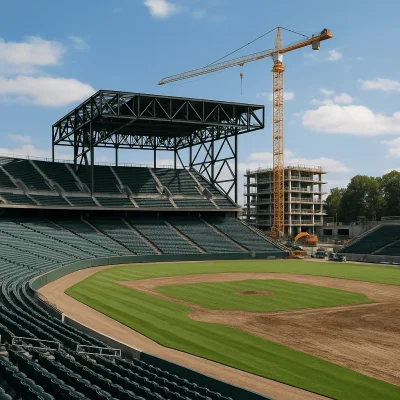
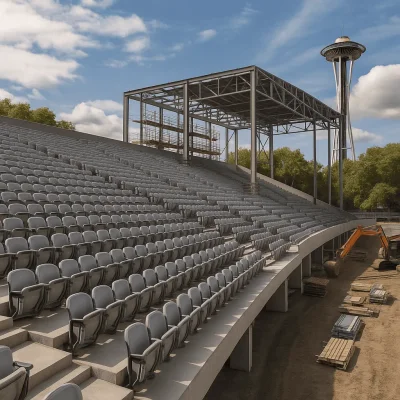
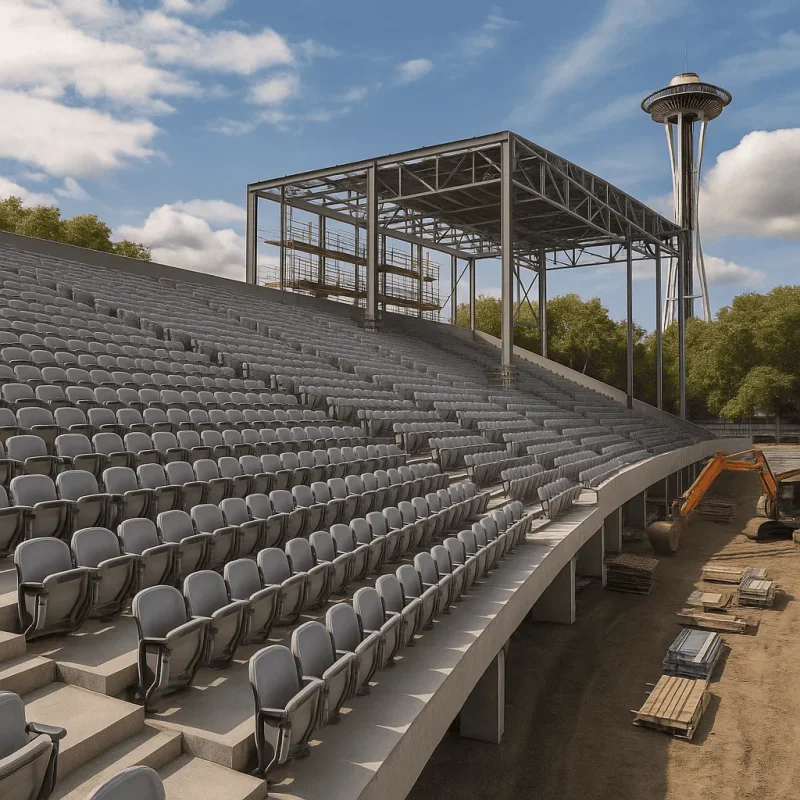
In Seattle, constructing stadium seating involves unique challenges that professional craftsmen must skillfully address. The region's rainy climate and seismic activity influence design and material choices, requiring durable, weather-resistant construction methods. Additionally, many venues near landmarks like CenturyLink Field and Seattle Center demand compliance with strict city codes and accessibility standards. Common difficulties include:
- Ensuring structural integrity to withstand the moist and sometimes corrosive environment
- Adapting seating layouts to limited urban spaces and existing infrastructure
- Incorporating ADA-compliant features for accessibility across all seating areas
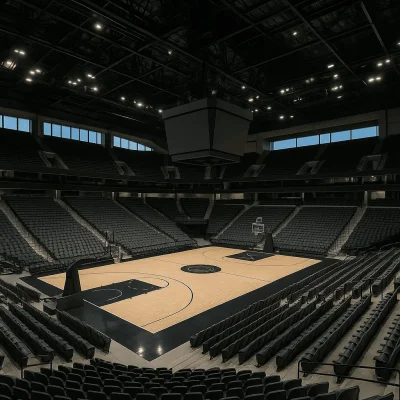
- Addressing acoustics and sightline optimization in diverse stadium designs
- Coordinating multiple trades within tight timelines to meet event schedules
Reasons for Repair and Restoration of Stadium Seating in Seattle
Over time, stadium seating in Seattle requires repair due to exposure to environmental and usage factors characteristic of the Pacific Northwest. The city’s moisture coupled with frequent sports and entertainment events accelerates wear and tear. Common causes for renovation or repair include:
- Corrosion and rust affecting metal frameworks and fasteners
- Faded or damaged seating surfaces due to UV exposure and heavy foot traffic
- Loose or broken components presenting safety hazards for attendees
- Compliance updates necessitated by evolving building codes and ADA regulations
- Structural fatigue caused by seismic activity or prolonged vibrations
How to Repair and Remodel Stadium Seating Effectively
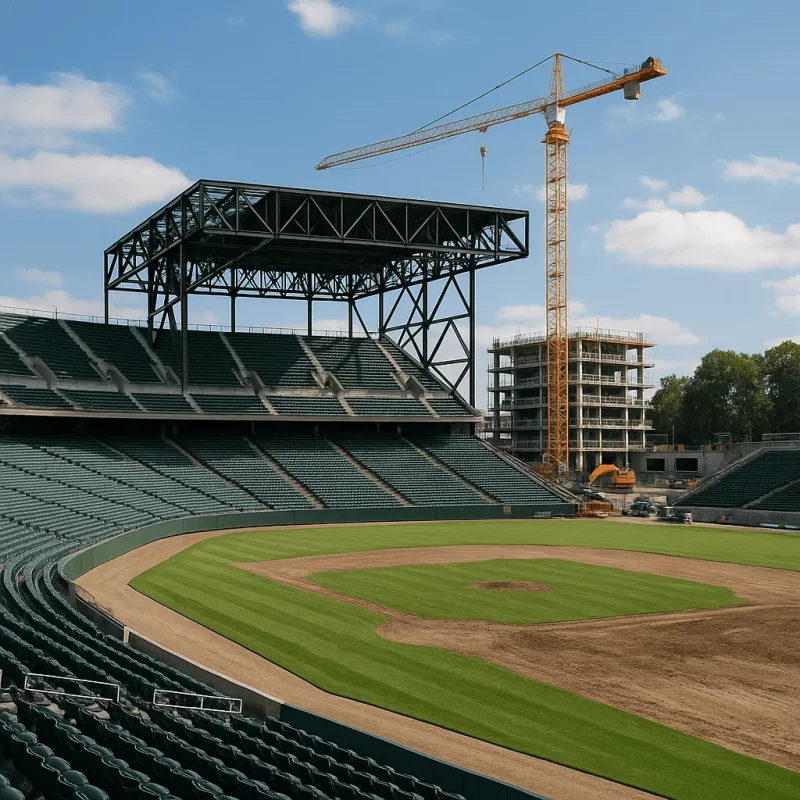
Pioneer Remodel provides professional craftsmanship to restore and enhance stadium seating construction in Seattle. Effective repair strategies focus on restoring safety, comfort, and aesthetic appeal while maintaining compliance. Key steps include:
- Comprehensive inspection to identify compromised structures and materials
- Use of weather-resistant materials designed for Northwest climate conditions
- Replacement of damaged seats and reinforcement of support frameworks
- Upgrading to modern ergonomic seating options improving fan experience
- Coordination with local permitting offices to ensure regulatory compliance
Understanding Stadium Seating Construction and Repair Costs in Seattle
The cost of stadium seating construction and repair in Seattle depends on various factors that professional contractors assess carefully. Pricing is influenced by the complexity of the project, materials used, labor requirements, and compliance with local building codes. Important cost considerations include:
- Scope of work, including demolition, restoration, or new installation
- Quality and type of seating materials suitable for weather and usage demands
- Size and configuration of the seating area, factoring in space constraints typical in urban Seattle
- Permitting and inspection fees mandated by Seattle’s municipal authorities
- Skilled labor costs associated with experienced, professional craftsmen
The cost generally includes material procurement, precise installation, finishing, and final safety inspections to guarantee long-term durability.
Best Practices for Prevention and Maintenance of Stadium Seating
Proactive maintenance extends the lifespan and safety of stadium seating constructions in Seattle. Given the exposure to the area’s wet climate and frequent use, regular upkeep is essential. Recommended prevention and care steps are:
- Scheduled inspections to detect early signs of damage or corrosion
- Application of protective coatings to metal and wooden elements to prevent rust and decay
- Prompt replacement or repair of broken seats to maintain safety standards
- Regular cleaning to remove debris and minimize wear caused by dirt accumulation
- Ensuring drainage systems function effectively to prevent water pooling near seating areas
Conclusion
Choosing Pioneer Remodel ensures expert stadium seating construction and repair in Seattle with tailored solutions that enhance safety, compliance, and fan experience while considering the city\'s unique environmental and regulatory landscape.