




Common Challenges in Restaurant Building Systems Construction in Seattle
Constructing restaurant building systems in Seattle presents unique challenges due to the city’s climate, local regulations, and diverse architectural styles. Professional craftsmen working in the region must navigate these complexities to ensure successful projects.
- Seismic and Weather Considerations: Seattle’s location in an earthquake-prone zone requires structures to meet strict seismic codes, while frequent rain necessitates effective waterproofing and drainage systems.
- Historic Building Integration: Many restaurants occupy older buildings near Pike Place Market and Capitol Hill, demanding careful restoration alongside modern system upgrades.
- Space Limitations: Dense neighborhoods like Belltown and South Lake Union offer limited lot sizes, requiring efficient layout designs and vertical construction to maximize usable area.
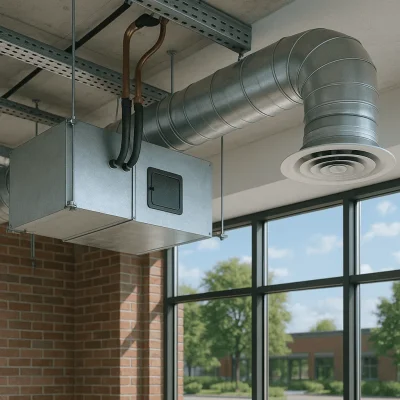
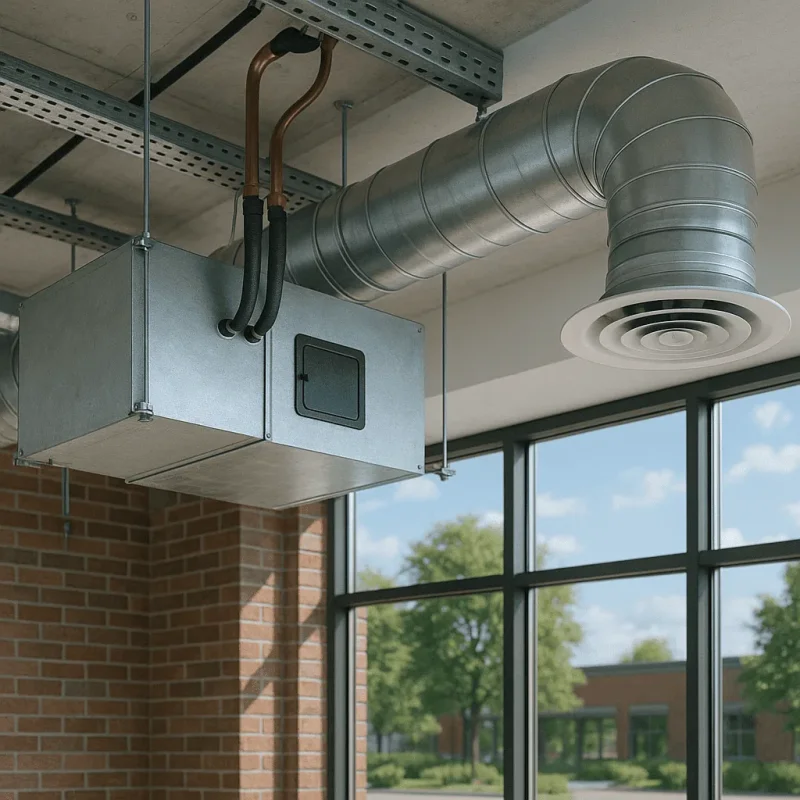
- Energy Efficiency Compliance: Seattle’s regulations encourage green building practices, challenging contractors to incorporate sustainable HVAC, lighting, and insulation systems.
- Permitting Delays: Navigating Seattle’s permitting process for commercial construction can slow timelines unless managed by experienced professionals.
Main Reasons for Repair and Upgrading of Restaurant Building Systems in Seattle
Restaurants in Seattle often require restoration or repair due to operational demands, regulatory changes, and environmental exposure. Understanding these motivations helps restaurateurs prioritize investments effectively.
- Code Updates and Health Regulations: Changes in local building codes and health department requirements prompt system upgrades to remain compliant.
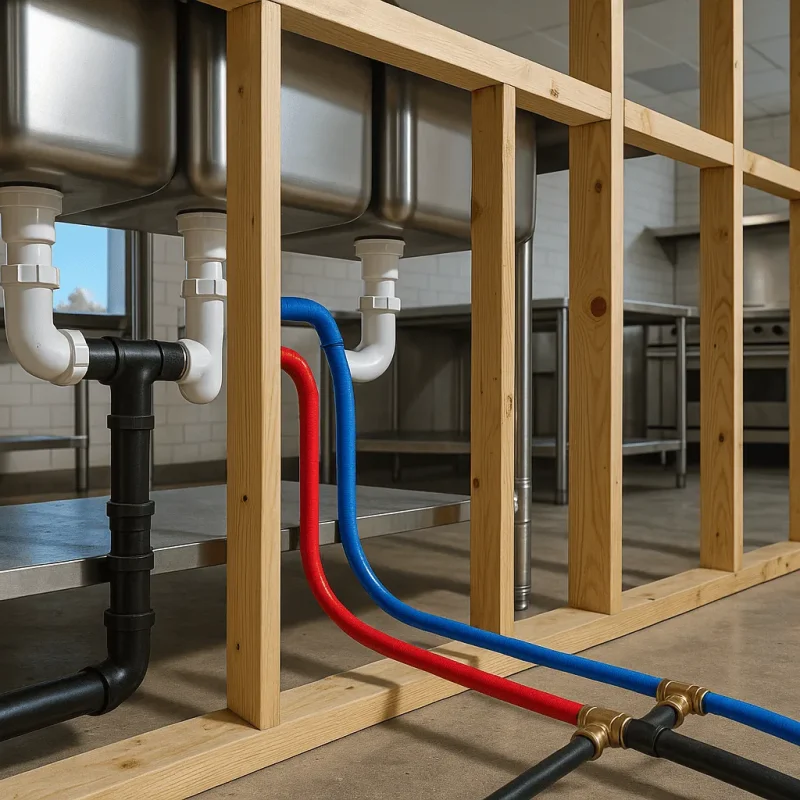
- Equipment Wear and Tear: High usage of kitchen ventilation, plumbing, and electrical systems leads to frequent repairs or replacements.
- Energy Efficiency Improvements: Rising utility costs and city incentives encourage renovations to install energy-saving systems.
- Structural Aging: Older restaurant buildings, especially in neighborhoods like Pioneer Square, require restoration of foundational and envelope systems.
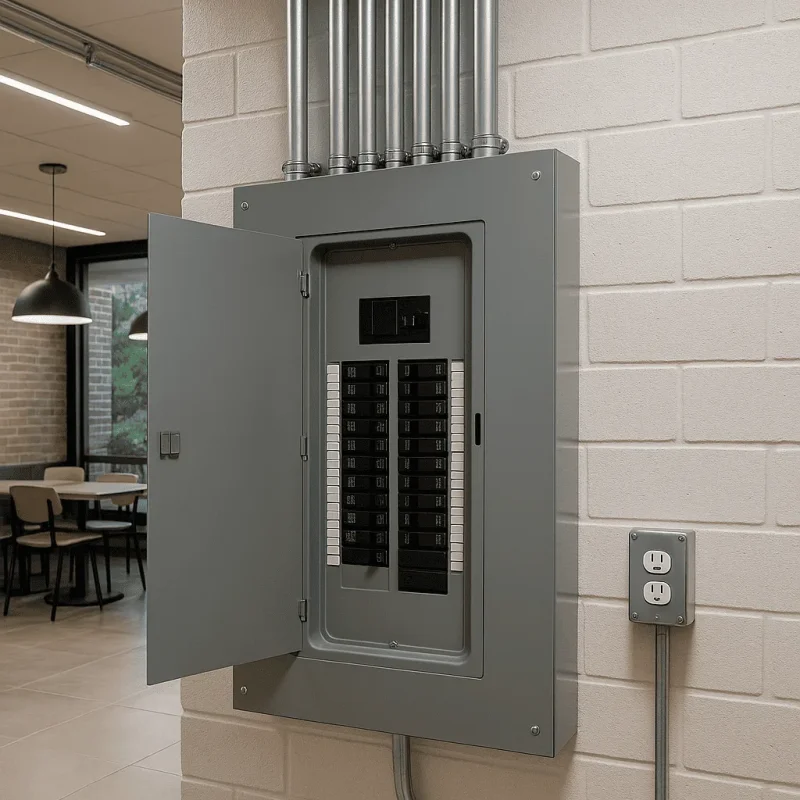
- Technology Integration: Modern point-of-sale and kitchen automation systems often necessitate electrical and networking system overhauls.
How to Effectively Repair and Construct Restaurant Building Systems in Seattle
Successful repair and construction projects in Seattle rely on a combination of expertise, planning, and adherence to local standards. Utilizing professional craftsmen ensures quality work and timely completion.
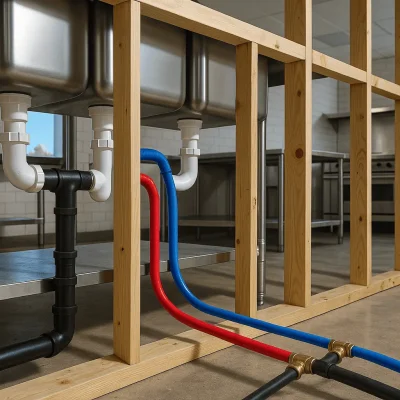
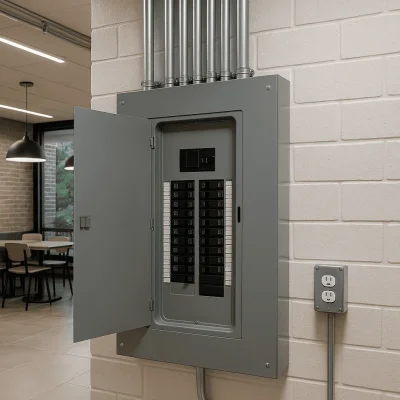
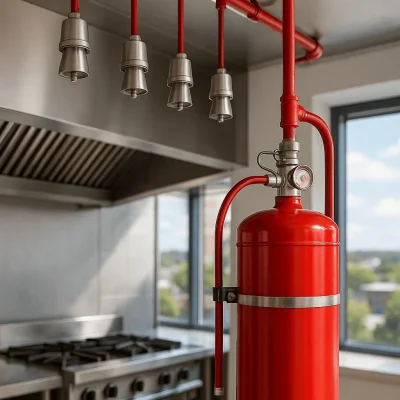
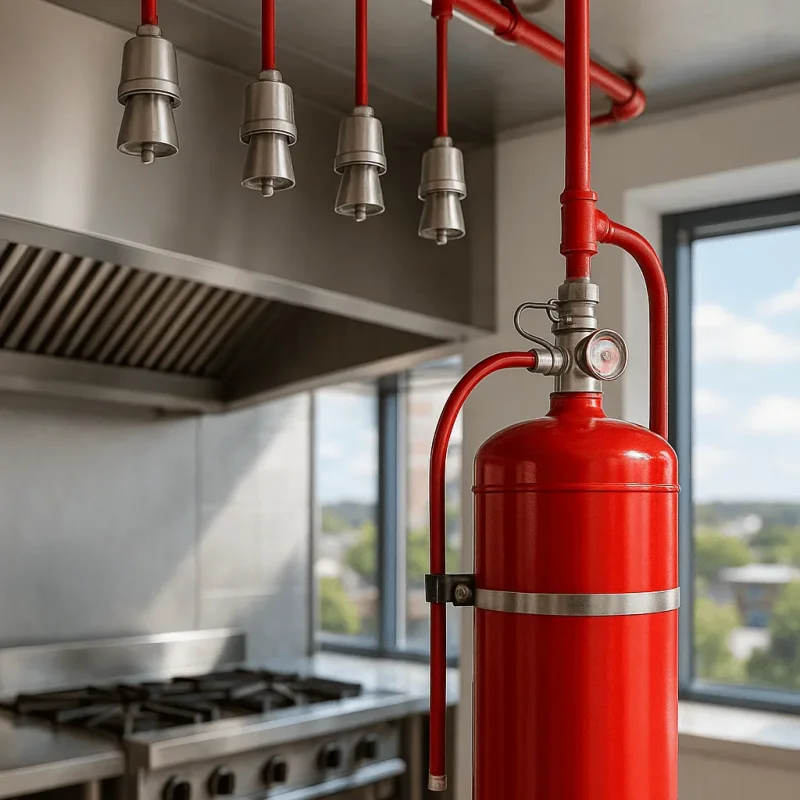
- Comprehensive Assessment: Begin with detailed inspections of all building systems including HVAC, plumbing, electrical, and fire suppression.
- Licensed and Experienced Contractors: Hire professionals familiar with Seattle’s specific codes and environmental factors.
- Permitting and Documentation: Secure all necessary permits through the Seattle Department of Construction & Inspections before work begins.
- Material Selection: Use durable, weather-resistant materials that meet sustainability standards common in Seattle projects.
- System Integration: Plan for seamless integration of new technologies with existing infrastructure to minimize downtime.
- Regular Communication: Maintain clear and ongoing communication between client, contractor, and inspectors.
Remodelling Cost Factors for Restaurant Building Systems in Seattle
Estimating remodeling costs requires understanding several key factors unique to Seattle’s market that impact the scope and pricing of construction work.
- Building Size and Complexity: Larger or architecturally complex restaurants, such as those near the Seattle Waterfront, incur higher costs.
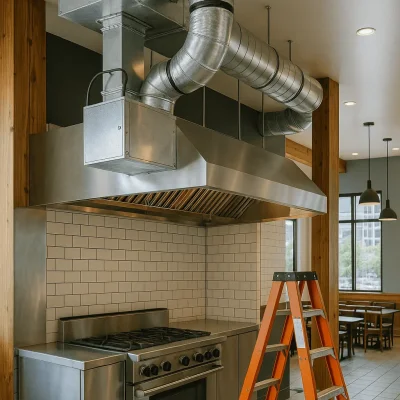
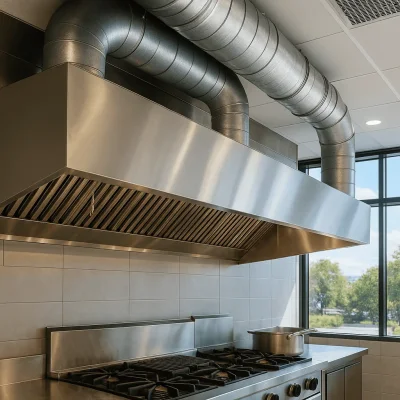
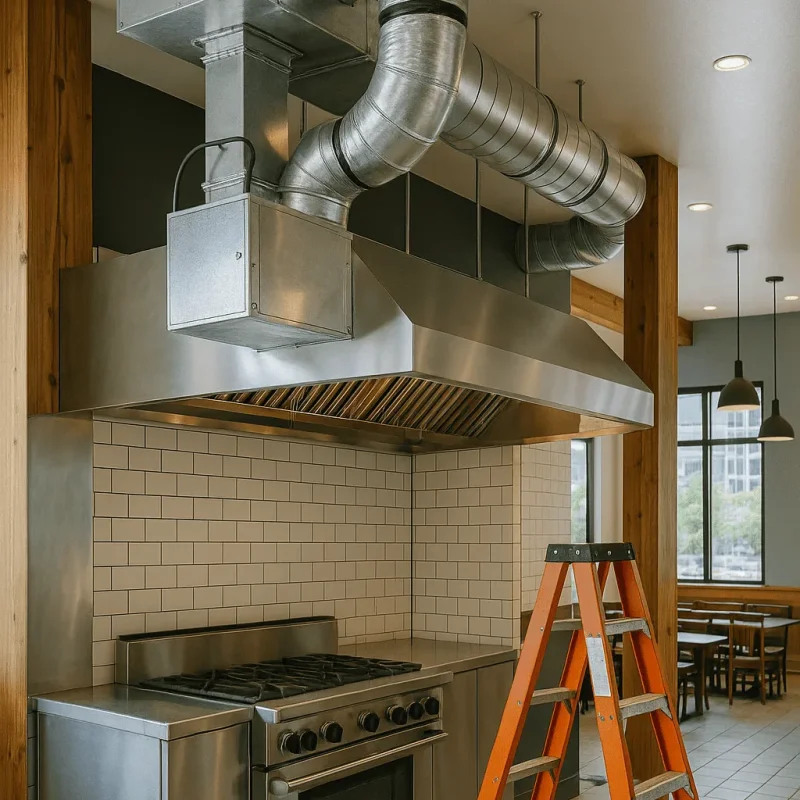
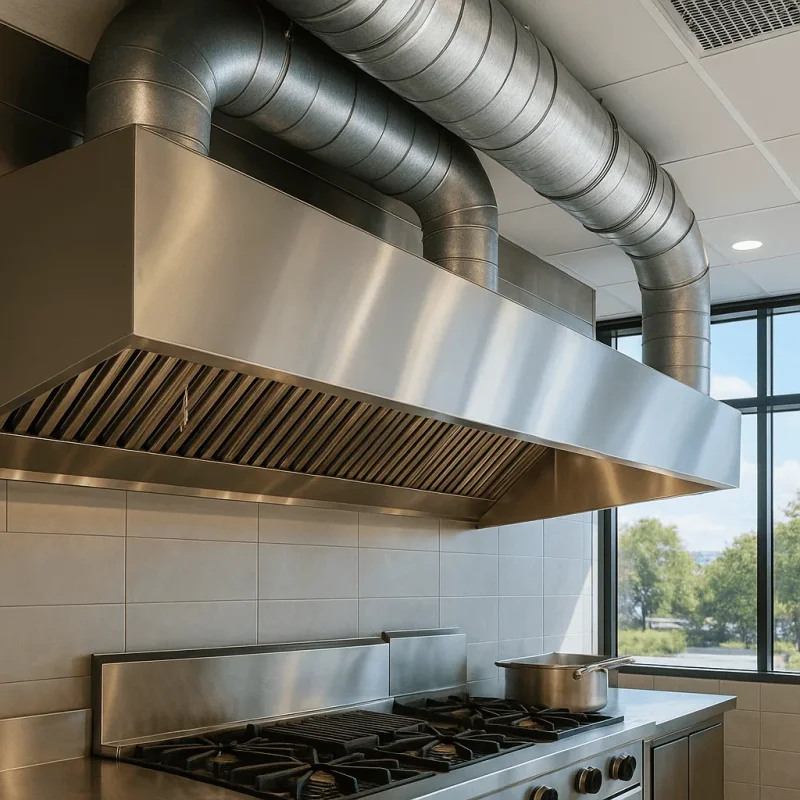
- System Upgrades Required: Extensive replacements like HVAC overhauls or kitchen hood systems influence budget significantly.
- Material Costs: Selecting local, sustainable materials common in Seattle projects affects pricing.
- Labor Costs: Skilled craftsmen in Seattle may command premium rates owing to demand and regulatory requirements.
- Permitting and Inspection Fees: Obtaining necessary approvals through city departments adds to the overall cost.
- Design and Engineering Services: Fees for architects and engineers ensuring code compliance are important budget considerations.
- Contingency Planning: Older buildings may reveal hidden issues raising repair expenses during project execution.
These factors collectively determine the final financial investment required for successful restaurant building systems remodeling in Seattle.
Prevention and Maintenance Tips for Seattle Restaurant Building Systems
To prolong the lifespan of restaurant building systems and reduce costly repairs in Seattle’s unique environment, consistent prevention and maintenance practices are essential.
- Regular Inspections: Schedule frequent checks of HVAC, plumbing, and electrical systems especially before rainy seasons.
- Proper Ventilation and Moisture Control: Maintain ventilation systems to prevent mold issues common given Seattle’s humidity.
- Timely Repairs: Address minor malfunctions immediately to avoid larger system failures.
- Professional Cleaning: Engage specialists for deep cleaning of kitchen hoods, grease traps, and exhaust systems.
- Energy Management: Utilize smart controls and scheduled maintenance for energy-efficient operations.
- Up-to-date Compliance: Stay informed about Seattle building codes and health regulations to ensure ongoing compliance.
Final Thoughts on Restaurant Building Systems Construction and Repair in Seattle
Partnering with experienced professionals like Pioneer Remodel supports reliable, code-compliant restaurant construction and repair projects tailored specifically to Seattle’s local conditions and requirements.