


Common Challenges in Seattle Restaurant HVAC Construction
When undertaking HVAC construction and installation in Seattle restaurants, professional craftsmen face unique challenges due to the city\'s climate and urban environment. Understanding these common complications is essential for effective planning and execution.
- Moisture Control: Seattle\'s frequent rain and humidity demand HVAC systems capable of managing excess moisture to prevent mold and maintain air quality.
- Space Limitations: Many Seattle restaurants are located in older buildings or dense neighborhoods like Capitol Hill and Ballard, where space for equipment installation is constrained.
- Energy Efficiency Requirements: Local regulations emphasize energy-saving solutions, requiring HVAC installations to meet strict environmental standards.
- Noise Restrictions: To comply with Seattle noise ordinances, HVAC systems must operate quietly, preserving customer comfort and neighborhood tranquility.
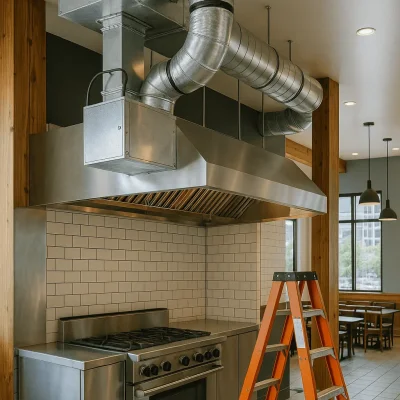
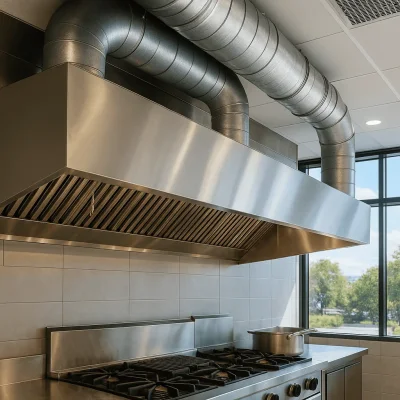
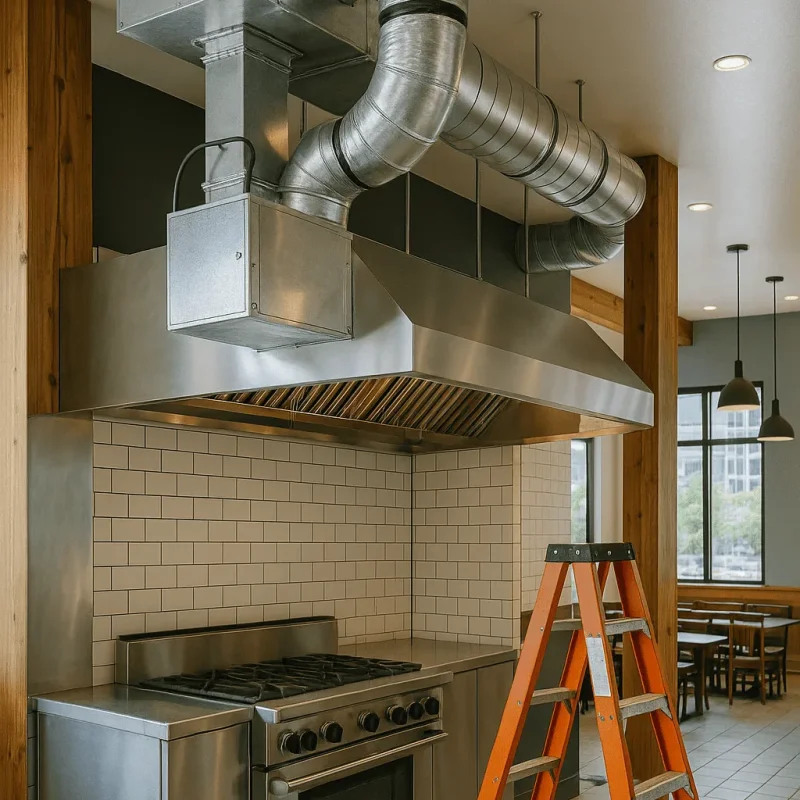
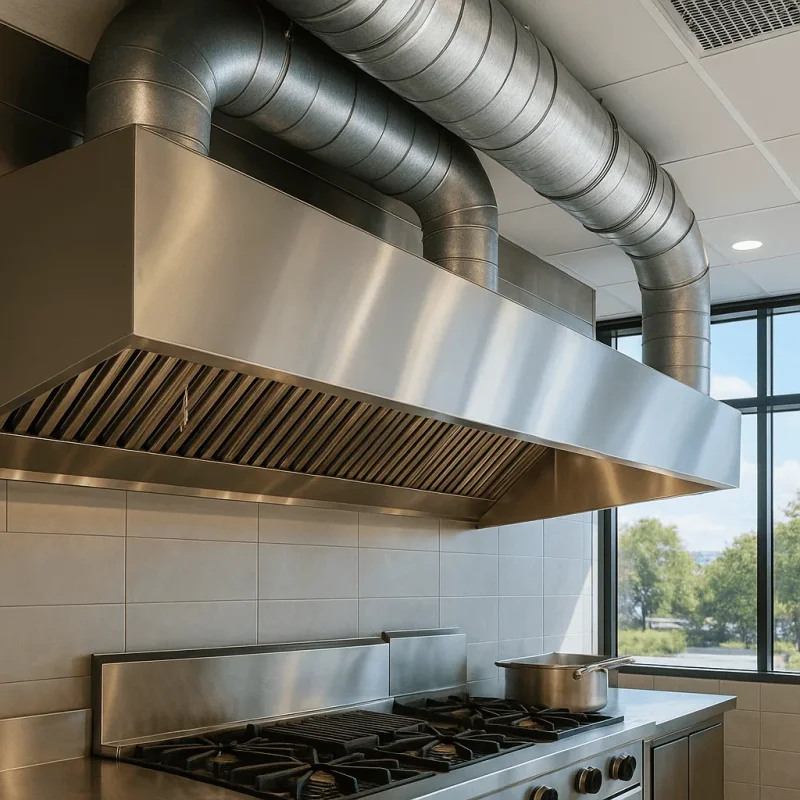
- Integration with Kitchen Ventilation: The presence of cooking equipment necessitates specialized ventilation that balances exhaust needs with overall climate control.
Primary Reasons for HVAC Repair in Seattle Restaurants
Restaurants in Seattle depend on reliable HVAC systems for customer comfort and food safety. Identifying typical causes for HVAC repair helps in minimizing downtime and maintaining efficient operations.
- Wear and Tear: Continuous use in a demanding commercial environment leads to component degradation.
- Weather Effects: Persistent moisture and temperature fluctuations in Seattle accelerate corrosion and mechanical failures.
- Improper Installation: Substandard craftsmanship or incorrect sizing results in system inefficiency and frequent breakdowns.
- Neglected Maintenance: Lack of regular servicing causes dirty filters, clogged ducts, and reduced airflow.
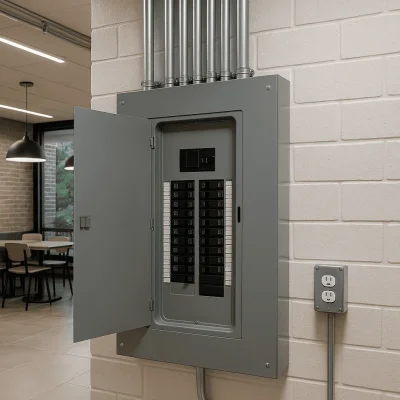
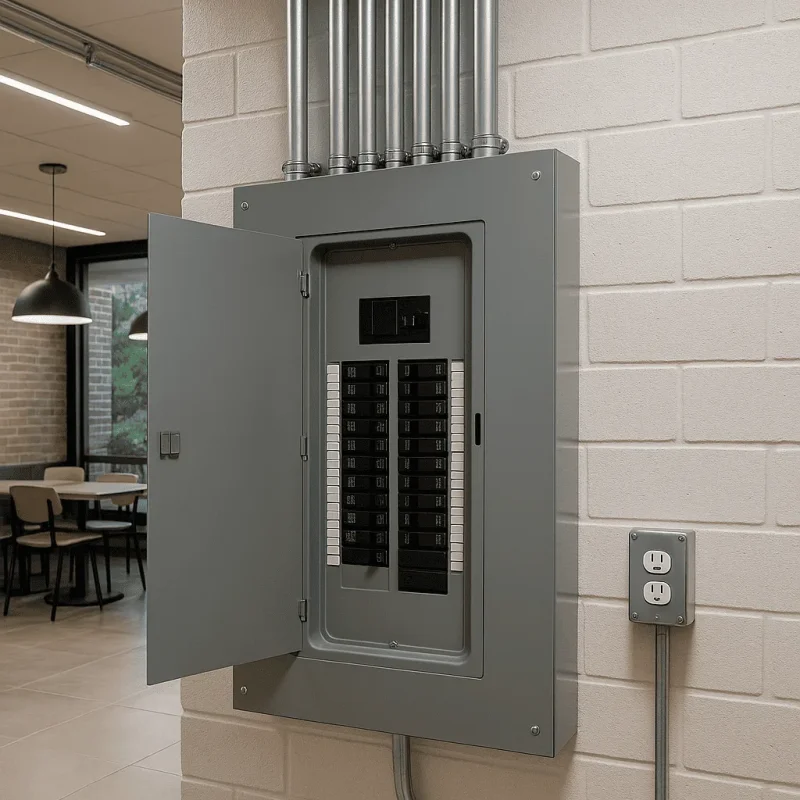
- Electrical Issues: Power surges and outdated wiring can damage HVAC controls and motors.
Effective Approaches to HVAC Repair and Restoration in Seattle Restaurants
Professional restoration and repair services in Seattle focus on durable solutions tailored to each restaurant\'s unique conditions, ensuring regulatory compliance and long-term system health.
- Comprehensive Diagnostics: Technicians perform detailed inspections to identify root causes of malfunction.
- Component Replacement: Worn-out parts such as compressors, fans, and thermostats are swapped with energy-efficient alternatives.
- System Calibration: Restoring proper airflow and temperature settings optimizes performance and conserves energy.
- Ventilation Adjustment: Kitchen exhaust and fresh air intake systems are fine-tuned to meet code requirements and indoor air quality standards.
- Preventive Maintenance Plans: Establishing scheduled servicing reduces risk of future breakdowns and extends system longevity.
Factors Affecting Seattle Restaurant HVAC Remodelling Cost
The cost of HVAC construction and installation in Seattle restaurants varies based on multiple factors that determine labor, materials, and time investments by professional craftsmen.
- System Size and Complexity: Larger restaurants with multiple kitchen stations require more extensive HVAC systems.
- Building Age and Layout: Older structures may need retrofitting and custom ductwork to accommodate new installations.
- Permits and Code Compliance: Costs include obtaining necessary local approvals and ensuring devices meet Seattle\'s environmental standards.
- Energy Efficiency Features: Installing high-efficiency units and smart controls affects upfront investment but reduces operating expenses.
- Accessibility and Equipment Location: Limited rooftop or mechanical room access can increase labor costs.
These elements are reflected in the overall pricing, which commonly includes design consultation, materials, labor, permits, and system testing upon completion.
Proactive Prevention and Maintenance Tips for Seattle Restaurant HVAC
Ongoing care by professional craftsmen is vital to sustain HVAC performance and avoid costly repairs in Seattle\'s demanding environment. Consider these proactive measures:
- Regular Filter Replacement: Swapping filters every 1-3 months maintains clean airflow and system efficiency.
- Routine Inspections: Scheduling biannual checkups before summer and winter ensures early detection of potential issues.
- Cleaning Vents and Ducts: Removing dust, grease, and debris prevents airflow obstructions and fire hazards.
- Calibrating Thermostats: Accurate temperature control reduces wear on compressors and fans.
- Documenting Service History: Keeping detailed maintenance records aids in warranty claims and future upgrades.
Utilizing Pioneer Remodel\'s expertise in Seattle guarantees that your restaurant\'s HVAC system receives attentive service tailored to local challenges.
Summary of Seattle Restaurant HVAC Construction and Installation
Partnering with professional craftsmen familiar with Seattle\'s unique climate, building codes, and restaurant needs ensures efficient, reliable HVAC construction and installation that supports business success and customer satisfaction.