


Common Challenges in Religious Kitchen Construction in Seattle
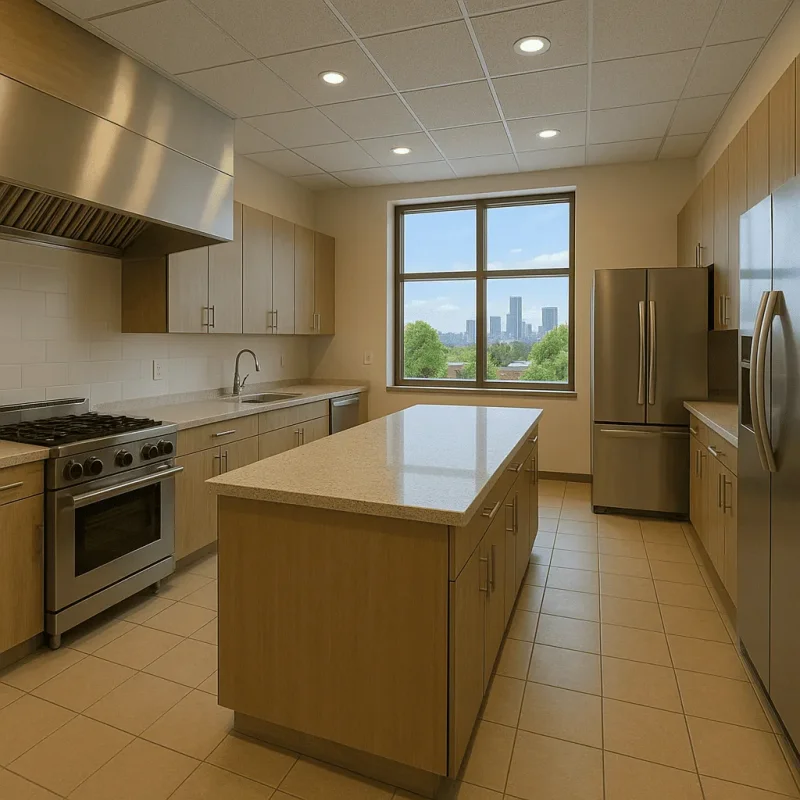
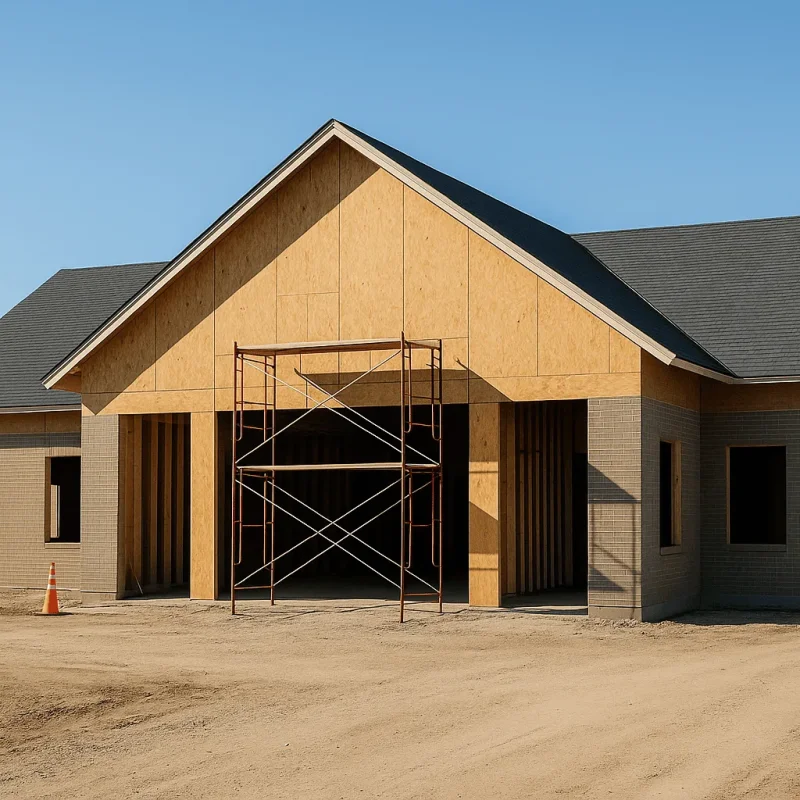
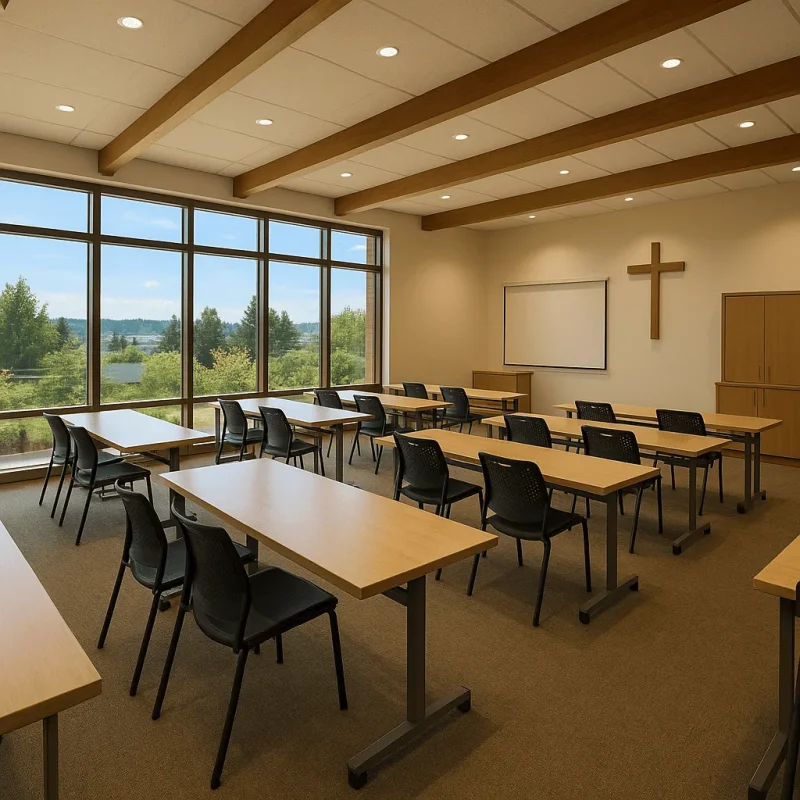
Religious kitchen construction and renovation in Seattle require careful attention to both functional needs and spiritual considerations. These specialized projects often face unique challenges that professional craftsmen must address. Understanding common malfunctions helps prepare for successful restoration and repair.
- Space Constraints: Many religious centers in Seattle, such as those near the University District or Capitol Hill, operate in historic buildings with limited kitchen space, complicating equipment placement and workflow design.
- Compliance with Health and Safety Standards: Kitchens used for religious events must comply with Seattle Public Health codes while accommodating specific rituals and practices, which can complicate ventilation, sanitation, and equipment requirements.
- Equipment Durability: High-volume cooking during festivals requires durable, commercial-grade appliances that withstand intensive use without frequent breakdowns.
- Material Restrictions: Certain religious guidelines may restrict the use of specific materials or require specialized surfaces for food preparation, demanding expertise in sourcing and construction.
- Electrical and Plumbing Issues: Older religious buildings often require updates to electrical wiring and plumbing systems to safely support modern kitchen appliances.
Key Reasons for Repair and Renovation of Religious Kitchens in Seattle
Religious kitchen restoration in Seattle is driven by several important factors that necessitate timely intervention by experienced professionals like Pioneer Remodel. Identifying these reasons ensures kitchens remain safe, efficient, and compliant.
- Aging Infrastructure: Many religious facilities in Seattle, including those in Pioneer Square, have kitchens dating back decades, resulting in outdated fixtures and potential code violations.
- Wear and Tear from Heavy Use: Frequent communal meals and events lead to accelerated deterioration of surfaces, appliances, and ventilation systems.
- Regulatory Upgrades: Changes in local health or building codes often require improvements to maintain operational permits and ensure safety.
- Adaptation to Dietary Practices: Evolving religious dietary rules or the introduction of kosher, halal, or vegetarian-friendly zones necessitate modifications and compartmentalization within kitchen spaces.
- Energy Efficiency Goals: Seattle’s commitment to sustainability encourages upgrading to energy-efficient appliances and improved insulation to reduce operational costs.
How to Repair and Restore Religious Kitchens Professionally in Seattle
Effective repair and renovation in religious kitchens demand a strategic approach that combines compliance, craftsmanship, and respect for religious customs. These steps outline how Pioneer Remodel ensures quality and satisfaction.
- Assessment and Planning: Conduct thorough inspections to evaluate structural and mechanical conditions, and develop a custom plan respecting religious requirements and Seattle building codes.
- Permit Acquisition: Handle the required Seattle permits and approvals to guarantee full legal compliance without disruption to religious activities.
- Material Selection: Choose durable, easy-to-clean surfaces and equipment that meet both religious standards and commercial kitchen durability needs.
- Skilled Construction and Installation: Employ professional craftsmen familiar with specialized kitchen construction and restoration tasks, including electrical, plumbing, and ventilation upgrades.
- Final Inspections and Testing: Perform comprehensive testing to ensure safety, functionality, and adherence to health regulations before project handover.
Factors Influencing Remodelling Cost of Religious Kitchens in Seattle
Understanding pricing elements helps religious organizations budget effectively for kitchen renovations. Pioneer Remodel emphasizes transparency by outlining key influences on costs.
- Project Scope: The extent of repairs or upgrades needed, such as minor surface refurbishment versus complete structural reconfiguration.
- Material Quality: The choice of finishes, appliances, and compliance with religious material standards affects pricing substantially.
- Labor Intensity: Skilled labor for specialized tasks like kosher kitchen layout or historic building restoration can increase project costs.
- Permit and Inspection Fees: Obtaining necessary permits and inspections in Seattle is integral and involves additional fees.
- Energy Efficiency Improvements: Installation of energy-saving systems or appliances represents an upfront investment with long-term savings.
- Timeline and Scheduling: Projects requiring expedited completion or work outside normal hours may incur higher costs.
Prevention and Maintenance Tips for Religious Kitchens in Seattle
Maintaining the longevity and safety of religious kitchens is critical for uninterrupted service during community events. Proper upkeep reduces costly repairs and ensures compliance with local standards.
- Regular Cleaning: Daily cleaning of work surfaces, floors, and ventilation systems helps prevent contamination and malfunctions.
- Scheduled Equipment Inspections: Periodic checks and servicing of appliances prolong their lifespan and maintain efficiency.
- Compliance Monitoring: Keep abreast of Seattle Public Health and building code updates to ensure ongoing compliance.
- Staff Training: Educate kitchen staff on proper use and cleaning protocols aligned with religious practices and safety standards.
- Immediate Repairs: Address minor issues promptly to prevent escalation and costly renovation projects.
Conclusion
Professional religious kitchen construction and renovation in Seattle by Pioneer Remodel ensures functional, compliant, and spiritually respectful environments that support vibrant community life.