


Common Challenges in Fellowship Hall Construction in Seattle
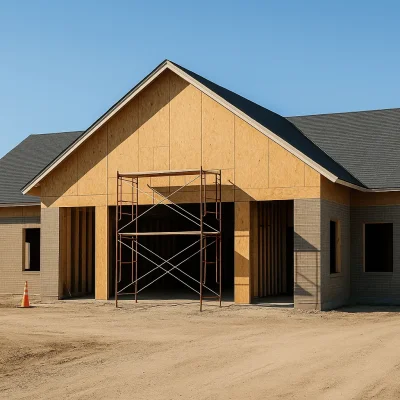
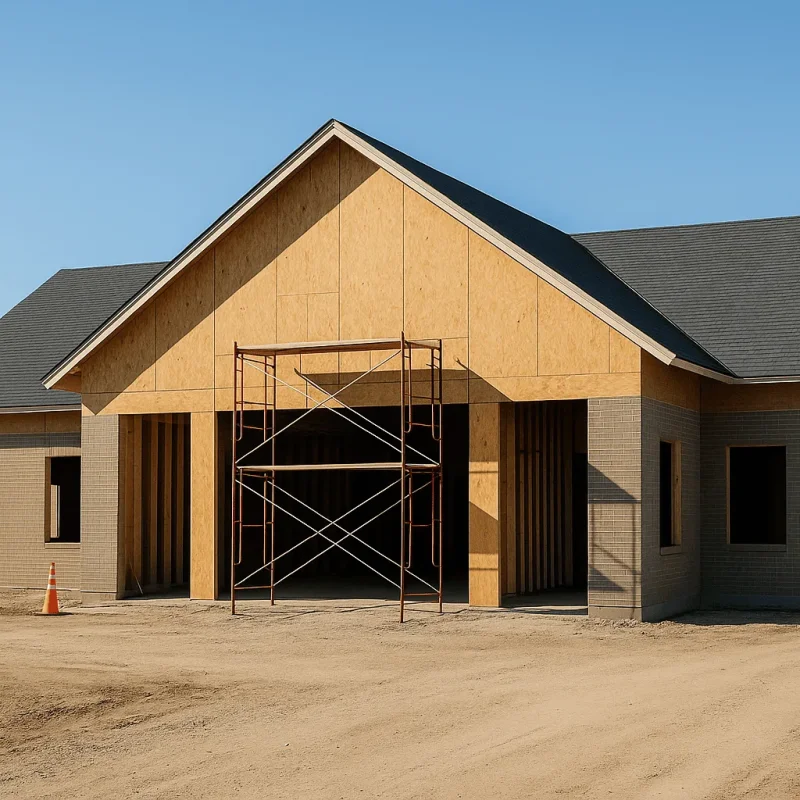
Constructing or remodeling fellowship halls in Seattle presents unique challenges that require professional craftsmanship and local expertise. Many community centers and churches in neighborhoods like Ballard, Capitol Hill, and Queen Anne face issues related to aging infrastructure, space constraints, and compliance with city regulations. Understanding the common malfunctions encountered during fellowship hall construction can help guide restoration and renovation efforts effectively.
- Structural Wear and Tear: Older buildings around Seattle often suffer from foundation settling and wood frame degradation due to the city\'s humid climate and frequent rain.
- Insufficient Space: Many fellowship halls built decades ago do not accommodate today\'s larger congregations, requiring thoughtful expansion or space optimization.
- Outdated Electrical and HVAC Systems: Legacy systems may be inadequate for modern use, leading to safety concerns and inefficiencies.
- Compliance with Seattle Building Codes: Ensuring that renovations meet strict municipal regulations, including seismic standards and accessibility requirements, often complicates projects.
- Moisture and Insulation Problems: Seattle\'s damp environment can lead to insulation failures, mold growth, and water damage if preventive measures are not properly implemented.
Key Reasons for Repair and Remodeling Fellowship Halls in Seattle
Repairing and remodeling fellowship halls in Seattle is essential to create welcoming, safe, and functional spaces for community gatherings. Numerous reasons motivate organizations to invest in professional construction and restoration services.
- Enhancing Capacity: Expanding areas to accommodate increasing community participation and multifunctional uses.
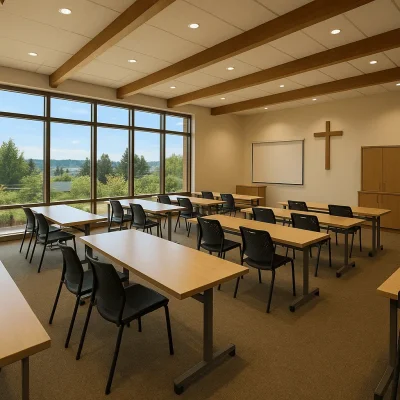
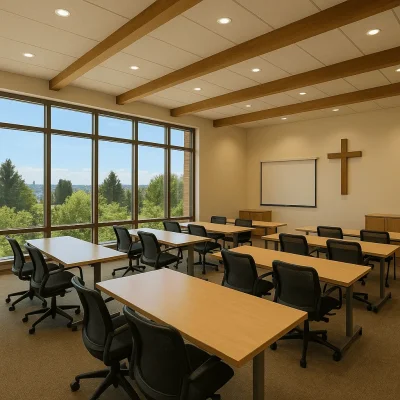
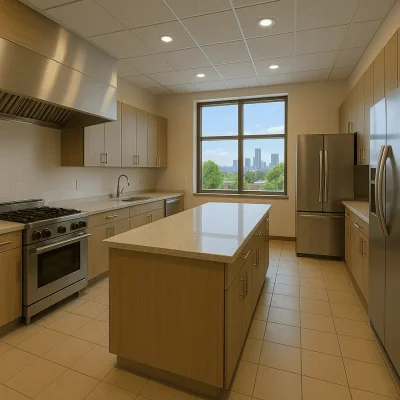
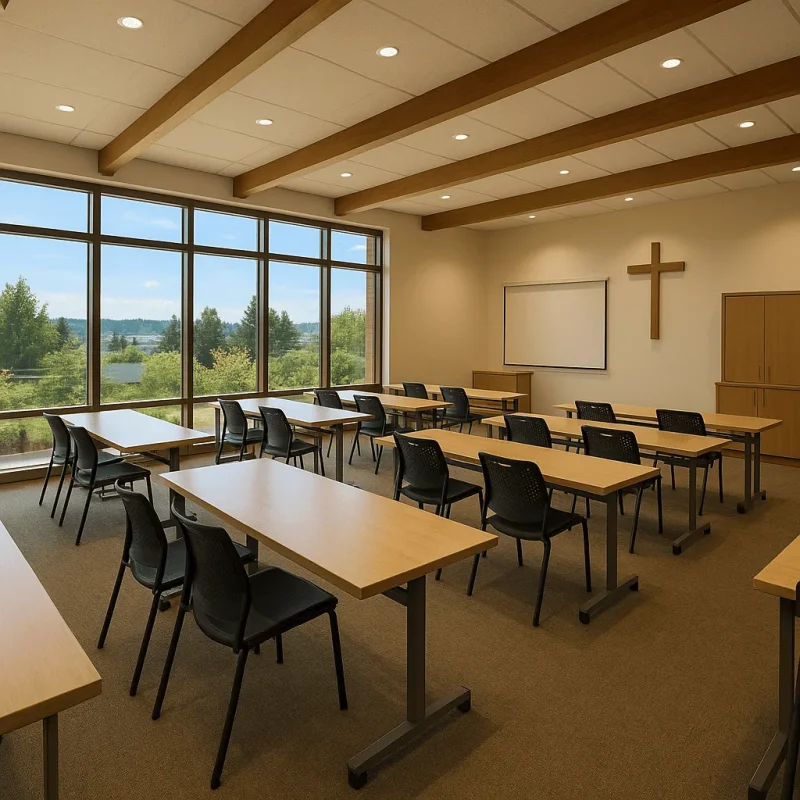
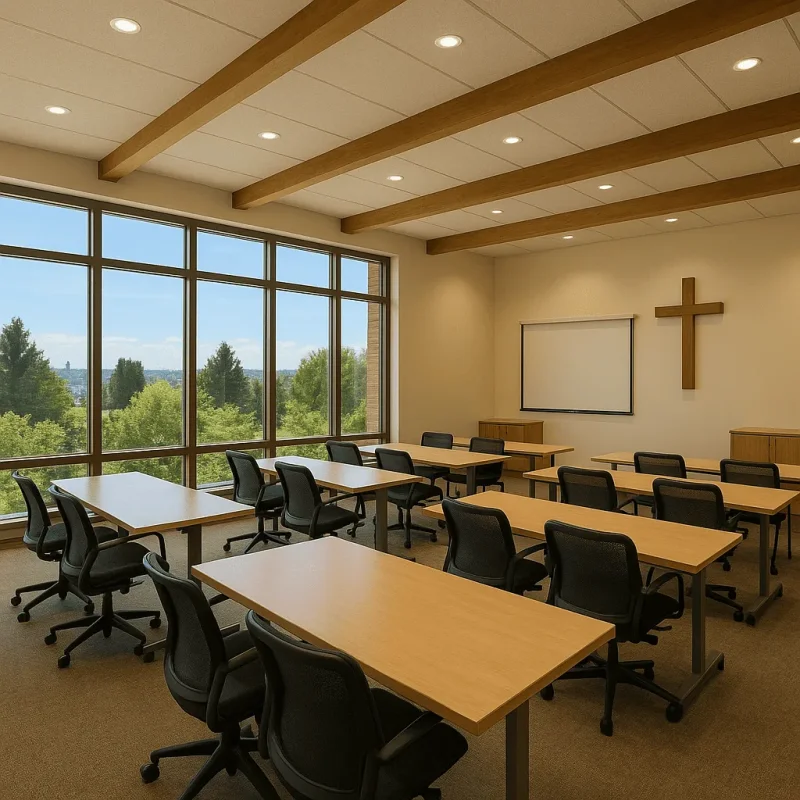
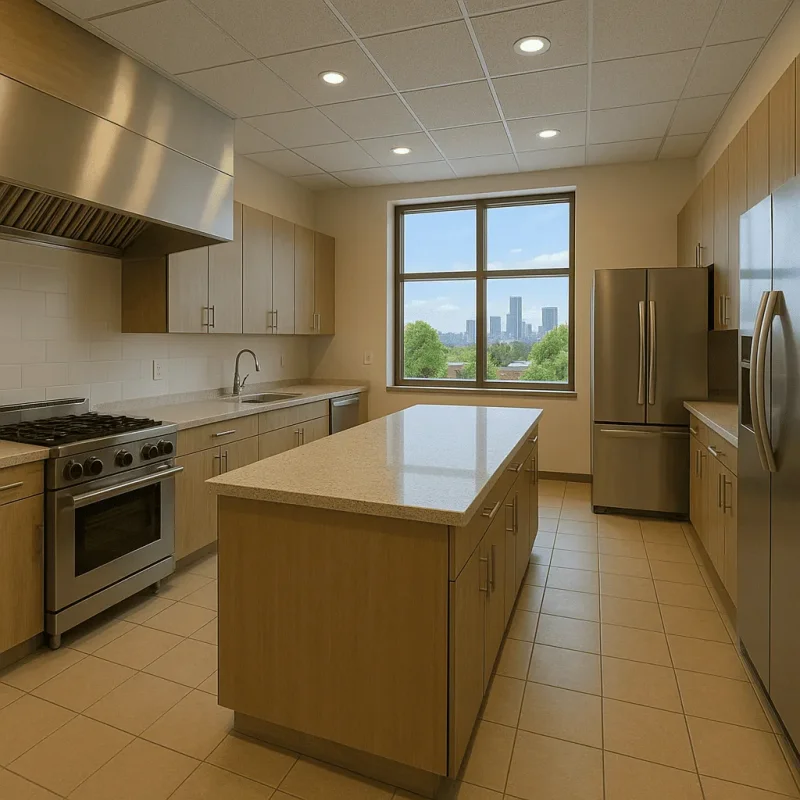
- Modernizing Facilities: Updating kitchens, restrooms, audio-visual equipment, and seating arrangements to meet contemporary standards.
- Improving Energy Efficiency: Retrofitting with modern insulation, efficient windows, and HVAC systems reduces operational costs and environmental impact.
- Ensuring Safety and Accessibility: Addressing fire code compliance, ADA accessibility, and seismic retrofitting specific to Seattle\'s environmental risks.
- Aesthetic Restoration: Preserving architectural character while integrating modern design elements enhances community pride and usability.
Effective Approaches to Fellowship Hall Renovation in Seattle
Successful construction and remodeling in Seattle require coordinated planning and skilled execution by professional craftsmen familiar with local standards and challenges. To achieve the best outcomes, consider these approaches:
- Comprehensive Needs Assessment: Evaluate current usage, structural conditions, and future goals in consultation with stakeholders.
- Permitting and Compliance: Work closely with Seattle\'s Department of Construction & Inspections to secure necessary permits and avoid delays.
- Design with Flexibility: Plan multipurpose layouts that can adapt to various events and group sizes common in Seattle\'s diverse communities.
- Professional Material Selection: Use durable, moisture-resistant materials suited to Seattle\'s climate to extend the hall\'s lifespan.
- Engage Local Professional Craftsmen: Collaborate with experts like Pioneer Remodel who understand Seattle\'s unique building codes, historic preservation needs, and community values.
Factors Influencing Fellowship Hall Remodeling Cost in Seattle
The cost of fellowship hall construction and remodeling in Seattle varies according to several important factors. Understanding these elements helps organizations budget effectively and set realistic expectations.
- Project Scope: The extent of structural repairs, expansions, or interior upgrades significantly impacts pricing.
- Materials and Finishes: Selection of high-quality, local, and sustainable materials tailored to Seattle\'s climate can affect overall expenses.
- Labor by Skilled Craftsmen: Employing experienced local professionals ensures compliance and quality but may influence costs based on project complexity.
- Permit and Inspection Fees: Navigating Seattle\'s regulatory environment involves fees that contribute to total costs.
- Custom Features and Technology: Incorporating advanced audio-visual systems, energy-efficient lighting, and specialized furnishings will add to remodeling expenses.
Inclusions generally cover design consultation, demolition, construction, electrical and plumbing work, permitting, finishing, and cleanup. Engaging a reputable company like Pioneer Remodel guarantees comprehensive service coordination from start to finish.
Prevention and Regular Maintenance for Fellowship Halls in Seattle
Maintaining fellowship halls in Seattle necessitates ongoing attention to prevent deterioration and costly repairs. Employing preventive strategies can protect your investment and ensure optimal functionality.
- Routine Inspections: Schedule regular checks of structural elements, roofing, and HVAC systems, especially given Seattle\'s weather conditions.
- Moisture Control: Ensure proper drainage, sealing, and ventilation to minimize mold and water damage common in the Pacific Northwest.
- Timely Repairs: Address minor issues quickly to avoid escalation; engage professional craftsmen for specialized restoration work.
- Efficient Cleaning Protocols: Use appropriate cleaning methods to protect finishes and maintain sanitary conditions for frequent community use.
- Update Safety Features: Regularly review fire alarms, exit signage, and emergency lighting in compliance with Seattle safety codes.
Conclusion
Investing in fellowship hall construction and remodeling in Seattle with skilled local professionals like Pioneer Remodel ensures durable, attractive, and functional spaces that meet community needs while respecting the city\'s regulations and climate challenges.