




Common Challenges in Seattle Healthcare Laundry Facility Construction and Renovation
Construction and renovation of healthcare laundry facilities in Seattle present unique challenges that require experienced professional craftsmen and specialized knowledge. Understanding these common issues helps ensure efficient project execution and compliance with local regulations.
- Strict Health and Safety Regulations: Seattle healthcare laundry facilities must adhere to rigorous health codes and sanitation standards to prevent contamination and ensure patient safety.
- Managing Limited Space: Many healthcare institutions in Seattle, especially in neighborhoods like Capitol Hill and First Hill, face space constraints, necessitating smart design solutions for laundry workflow optimization.
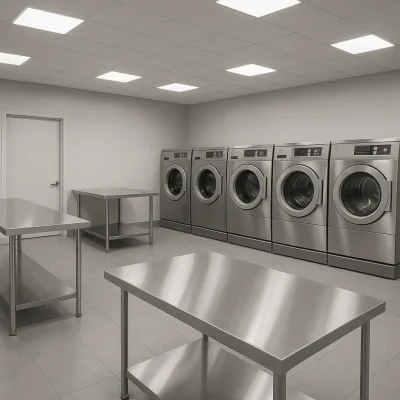
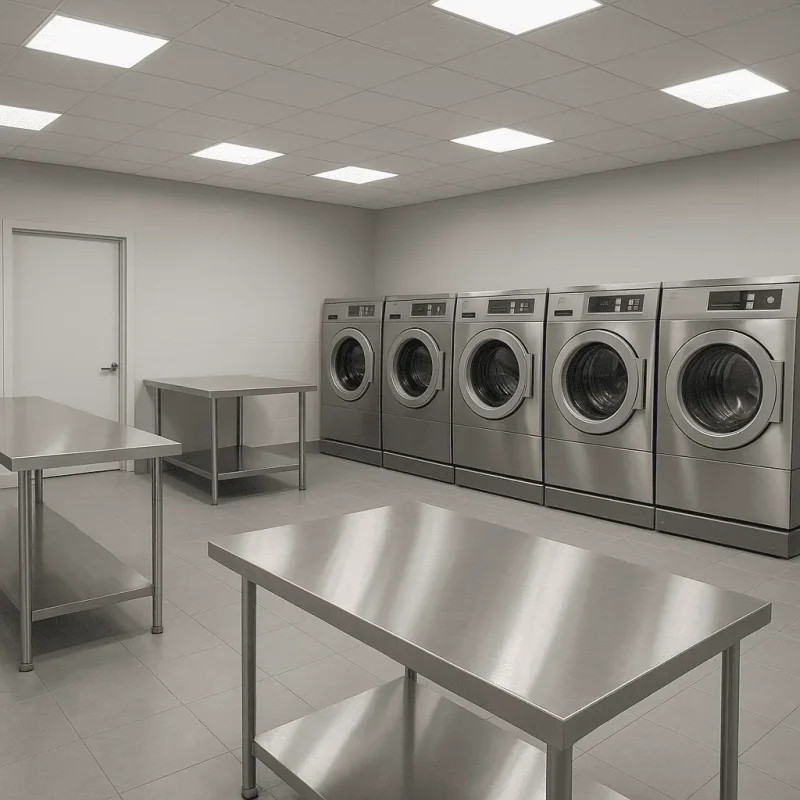
- Integration of Advanced Equipment: Incorporating modern washers, dryers, and conveyor systems compatible with healthcare materials demands precise planning and technical expertise.
- Older Building Challenges: Seattle\'s historic hospitals and clinics often require restoration techniques that address aging infrastructure while updating laundry facilities to current demands.
- Environmental Sustainability Requirements: Local Seattle policies encourage the adoption of energy-efficient and water-saving technologies during construction and renovation.
Key Reasons for Repair and Renovation of Healthcare Laundry Facilities in Seattle
Seattle healthcare providers choose to invest in laundry facility repair and renovation for several crucial reasons, ensuring continued operational efficiency and regulatory compliance.
- Wear and Tear from Heavy Usage: Laundry facilities in hospitals and clinics experience constant, high-volume use, resulting in the need for restoration and repairs over time.
- Upgrading to Meet Health Standards: Changes in healthcare hygiene protocols in Seattle necessitate remodeling to meet evolving standards for sanitation and cross-contamination prevention.
- Improving Workflow Efficiency: Renovations often focus on streamlining the movement of soiled and clean linens to reduce labor costs and turnaround times.
- Energy and Water Efficiency: Seattle\'s commitment to sustainability encourages upgrades that reduce utility expenses and environmental impact.
- Compliance with Local Building Codes: Renovation is sometimes required to address Seattle municipal code updates related to fire safety, ventilation, and accessibility.
How to Repair and Remodel Healthcare Laundry Facilities in Seattle
Effective repair and remodeling of healthcare laundry facilities in Seattle involve strategic planning and working closely with professional craftsmen experienced in this sector.
- Assessment of Existing Conditions: Conduct a thorough inspection of current infrastructure, including mechanical, electrical, and plumbing systems.
- Design Customized Solutions: Create layouts that optimize space utilization, considering Seattle\'s building restrictions and the need for smooth workflow.
- Upgrade Equipment and Technology: Install state-of-the-art washers, dryers, and automation systems designed for healthcare linen processing.
- Implement Sanitation Enhancements: Introduce materials and finishes that resist microbial growth and facilitate cleaning.
- Obtain Necessary Permits: Work with Seattle authorities to secure all construction and environmental clearances before starting remodeling.
- Execute with Skilled Craftsmen: Pioneer Remodel employs professional craftsmen to ensure high-quality workmanship aligning with Seattle\'s standards.
- Perform Final Testing and Validation: Verify operational efficiency and compliance through testing before handing over the facility.
Remodeling Cost Factors for Seattle Healthcare Laundry Facilities
Understanding the cost structure is essential when planning healthcare laundry facility remodeling or construction in Seattle. Various factors influence the overall budget, which typically includes design, materials, labor, and compliance expenses.
- Facility Size and Layout Complexity: Larger facilities or those requiring extensive redesign incur higher costs due to increased materials and labor.
- Equipment Upgrades: Incorporating the latest energy-efficient washers, dryers, and automation systems impacts pricing depending on the technology selected.
- Building Condition: Older facilities needing significant restoration or structural upgrades can increase expenses substantially.
- Local Permitting and Compliance: Fees related to Seattle’s construction permits and adherence to city codes add to the total investment.
- Sustainability Measures: Installing water and energy-saving systems may have upfront costs but contribute to long-term savings.
- Professional Craftsmen Services: Hiring skilled contractors familiar with Seattle healthcare regulations ensures quality but reflects on labor costs.
These factors combined define a project\'s pricing range and what is included, such as design consultation, material procurement, construction work, equipment installation, and testing. Proper budgeting with experts like Pioneer Remodel helps avoid unexpected expenses and delivers value.
Prevention and Maintenance Tips for Seattle Healthcare Laundry Facilities
Ongoing maintenance and preventive measures are vital to extend the lifespan and efficiency of healthcare laundry facilities in Seattle, reducing costly repairs and downtime.
- Regular Equipment Inspections: Schedule frequent checks for washers, dryers, and conveyor systems to identify wear signs early.
- Clean and Sanitize Periodically: Maintain strict hygiene protocols in laundering areas to prevent microbial buildup.
- Monitor Water and Energy Usage: Utilize smart meters and sensors to detect irregularities and optimize consumption.
- Train Staff on Proper Procedures: Educate personnel on operating and maintaining equipment correctly, emphasizing Seattle’s regulatory compliance.
- Schedule Professional Servicing: Engage Pioneer Remodel’s professional craftsmen for periodic servicing and minor repairs to prevent breakdowns.
- Document Maintenance Activities: Keep detailed records to comply with Seattle healthcare facility audits and support ongoing renovations if needed.
Conclusion
Seattle healthcare laundry facility construction and renovation require expert planning, adherence to stringent local standards, and skilled craftsmen to create sustainable, efficient, and compliant environments that support vital patient care operations.