


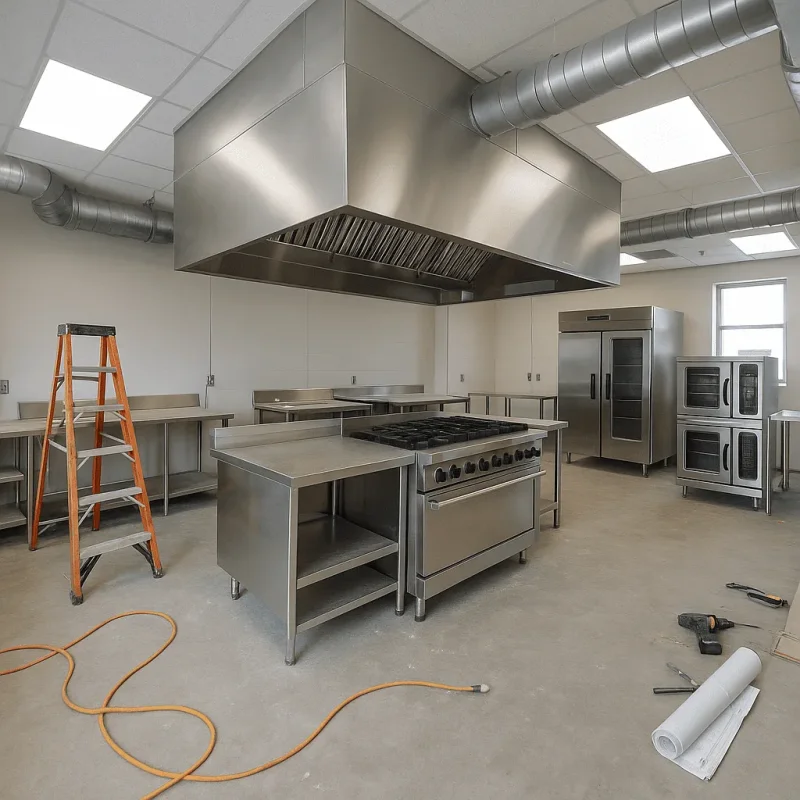
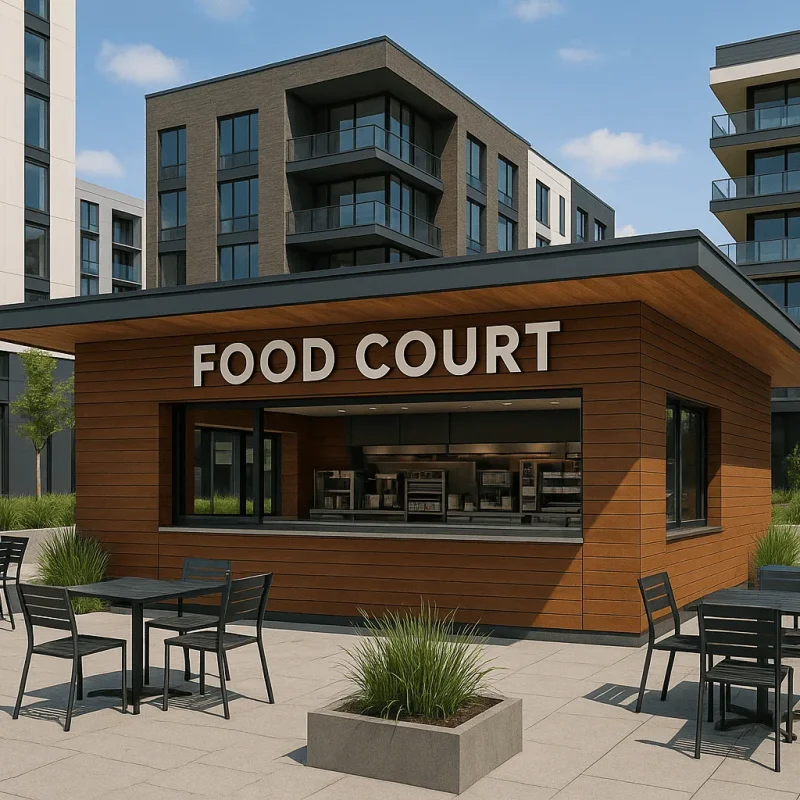
Common Challenges in School Cafeteria Construction in Seattle
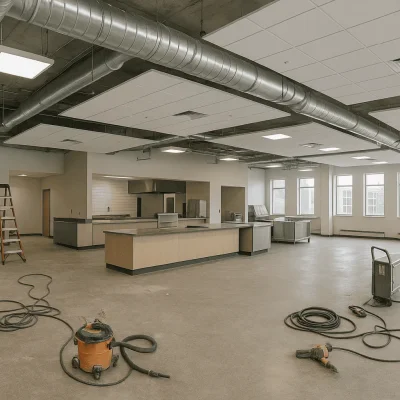
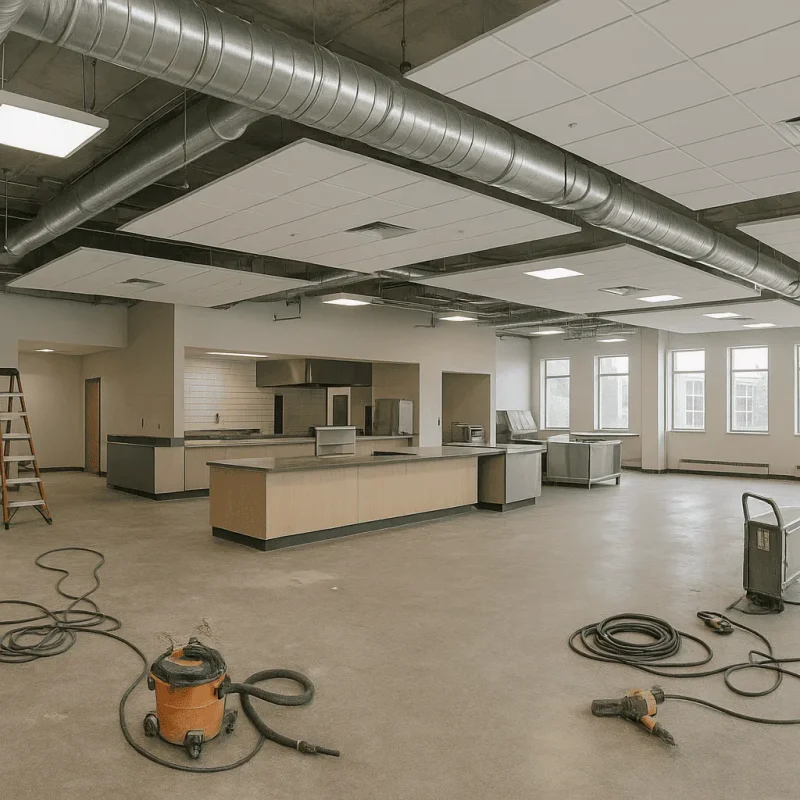
School cafeteria construction in Seattle presents unique challenges that require expert knowledge of local regulations and building requirements. Understanding these common obstacles helps ensure smoother project execution by professional craftsmen.
- Compliance with Seattle Public School Standards: Cafeteria construction must meet strict health and safety codes, including fire safety, sanitation, and accessibility under ADA guidelines.
- Space Optimization in Urban Neighborhoods: Seattle schools often have limited space, especially in densely populated areas like Capitol Hill or Queen Anne, requiring efficient use of every square foot.
- Older Building Restoration: Many Seattle schools are housed in historic or older buildings, necessitating specialized restoration techniques to update kitchens and dining areas while preserving structural integrity.
- Environmental Considerations: Incorporating sustainable materials and energy-efficient systems is essential to align with Seattle’s green building initiatives and community expectations.
- Seasonal Weather Impact: Seattle’s wet climate demands construction methods and materials that resist moisture to prevent damage and maintain hygiene in cafeteria areas.
Key Reasons for Repair and Renovation of School Cafeterias
Successful school cafeteria repair and renovation projects in Seattle hinge on addressing specific issues that compromise functionality and safety, ensuring a modern and efficient environment for students and staff.
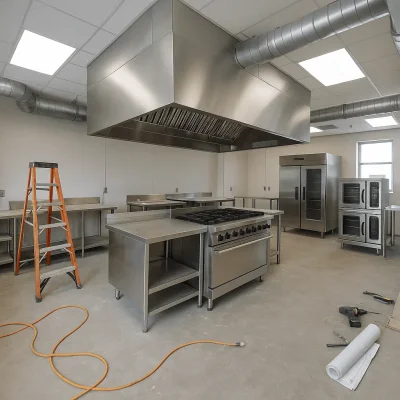
- Outdated Kitchen Equipment and Layout: Aging appliances and inefficient kitchen designs reduce service speed and energy efficiency, impacting daily operations.
- Wear and Tear from High Usage: Constant foot traffic combined with heavy equipment usage results in flooring deterioration, wall damage, and plumbing issues.
- Non-compliance with Health Codes: Older cafeteria facilities may fall short of current sanitation requirements, prompting necessary restoration by professional craftsmen.
- Inadequate Ventilation and Lighting: Poor air circulation and lighting can create uncomfortable dining spaces and affect food safety standards.
- Expansion to Accommodate Growing Student Populations: Seattle\'s increasing enrollment necessitates remodeling to expand seating capacity and kitchen space.
How to Effectively Approach School Cafeteria Repairs and Remodeling
Partnering with experienced professionals like Pioneer Remodel in Seattle ensures that school cafeteria construction projects are completed efficiently, on schedule, and within regulatory frameworks.
- Comprehensive Site Assessment: Detailed evaluation of existing conditions identifies structural issues, code violations, and design inefficiencies.
- Collaborative Planning with School Administrators: Engaging stakeholders ensures the renovation meets specific operational needs and anticipates future requirements.
- Use of Durable and Sustainable Materials: Selecting materials suited for high-traffic areas and Seattle’s moist climate guarantees longevity and compliance with environmental standards.
- Integration of Modern Kitchen Technologies: Incorporating energy-efficient appliances and ventilation systems improves functionality and reduces operational costs.
- Efficient Project Management: Scheduling construction during off-school periods minimizes disruption to daily activities and allows timely completion.
Understanding School Cafeteria Remodeling Cost Factors in Seattle
The overall cost of school cafeteria construction and remodeling in Seattle varies based on multiple factors, all of which influence budget planning and project scope.
- Scope of Work: Costs depend on whether the project involves minor repairs, partial upgrades, or complete overhaul including structural changes.
- Material Selection: High-quality, durable materials suitable for Seattle\'s climate may increase upfront expenses but provide long-term savings through reduced maintenance.
- Compliance and Permitting: Navigating Seattle-specific permits and regulations requires careful budgeting to ensure all legal standards are met without delays.
- Labor from Skilled Craftsmen: Hiring professional craftsmen with local experience contributes to higher efficiency but affects pricing structure.
- Additional Features: Inclusion of energy-saving lighting, customized seating, or enhanced ventilation systems can impact total expenses.
Costs typically include design, material procurement, labor, permits, and post-construction inspections, making transparency and detailed quotes essential for budgeting.
Prevention and Maintenance Tips for School Cafeterias in Seattle
Proper maintenance following school cafeteria construction or renovation can extend facility lifespan, ensuring ongoing safety and functionality in Seattle\'s unique environment.
- Regular Cleaning and Sanitation: Frequent cleaning prevents buildup of grease and bacteria, critical for compliance with health codes.
- Scheduled Equipment Inspections: Routine checks and maintenance of kitchen appliances help avoid breakdowns and costly emergency repairs.
- Moisture Control Strategies: Using dehumidifiers and ensuring proper drainage protects surfaces and flooring from Seattle’s damp conditions.
- Periodic Structural Assessments: Inspecting walls, ceilings, and floors catches potential damage early, especially in older schools undergoing restoration.
- Staff Training on Usage and Safety: Educating cafeteria personnel on best practices reduces wear and supports operational efficiency.
Conclusion
Investing in expertly managed school cafeteria construction and repair in Seattle with Pioneer Remodel ensures durable, compliant, and efficient spaces tailored to the city’s unique demands.