




Common Challenges in Seattle School Dining Facilities Construction
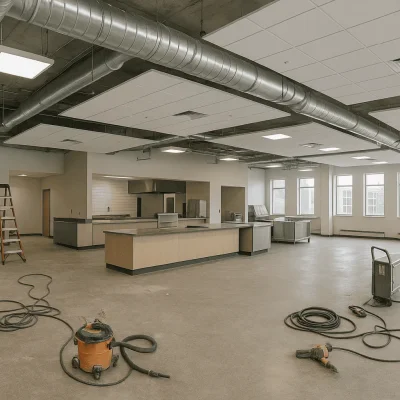
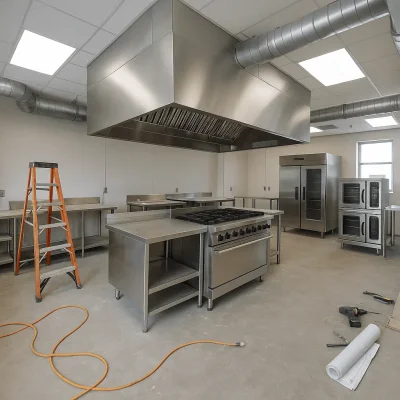
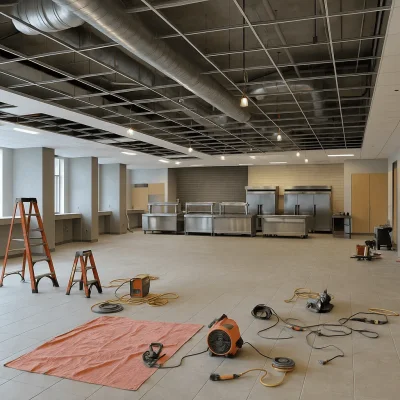
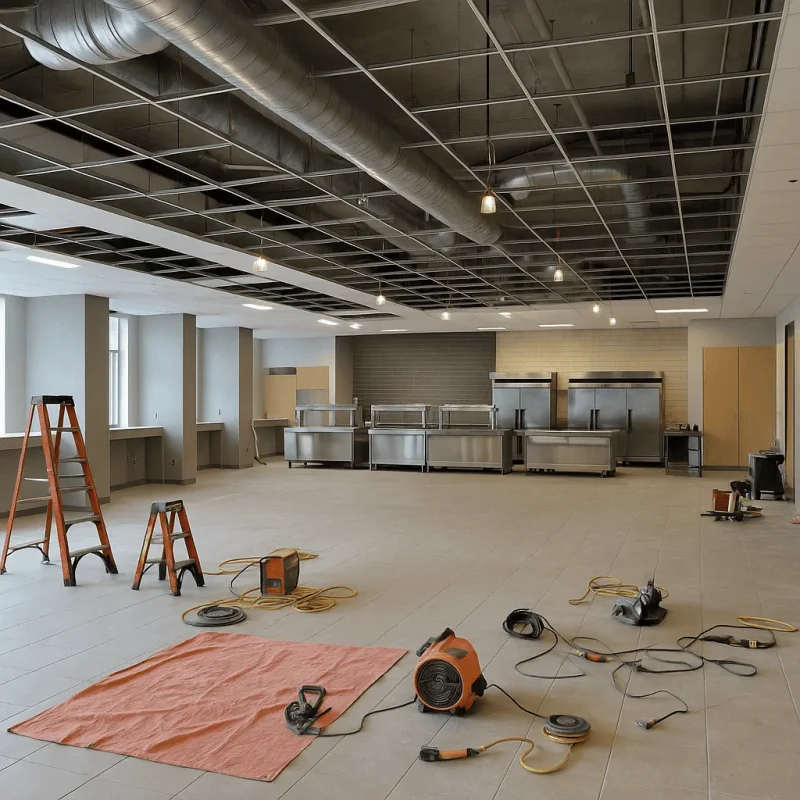
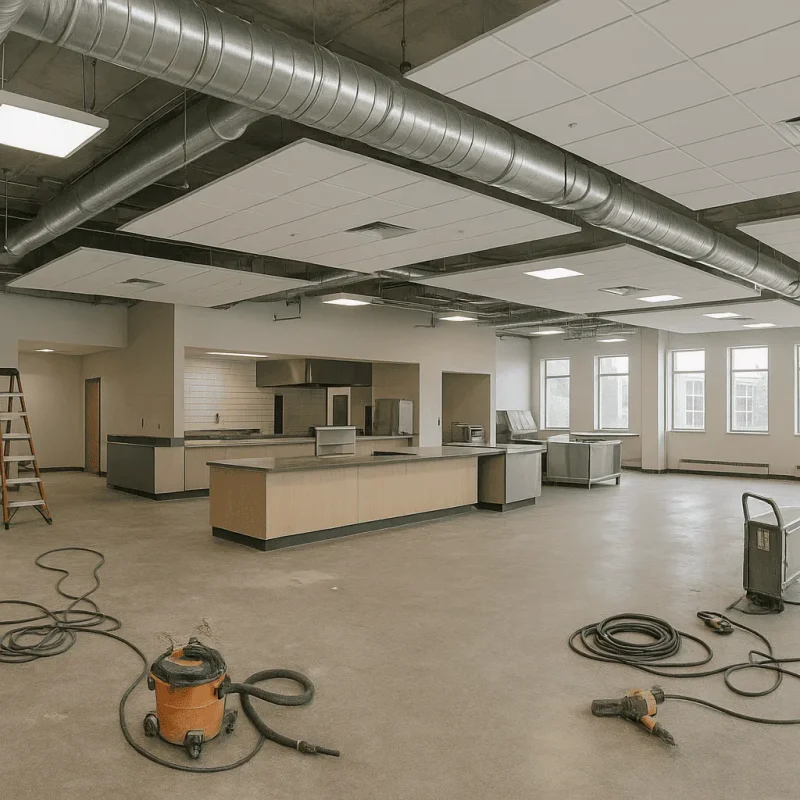
Construction and renovation of school dining facilities in Seattle present unique challenges that require the expertise of professional craftsmen. Schools often have older building stock requiring careful restoration to meet modern standards. The damp climate and frequent rain in Seattle can affect materials and construction timelines. Additionally, space constraints in urban neighborhoods like Capitol Hill and Queen Anne necessitate efficient use of available area. Some typical issues encountered in school dining facility projects include:
- Outdated kitchen layouts lacking compliance with current health and safety codes
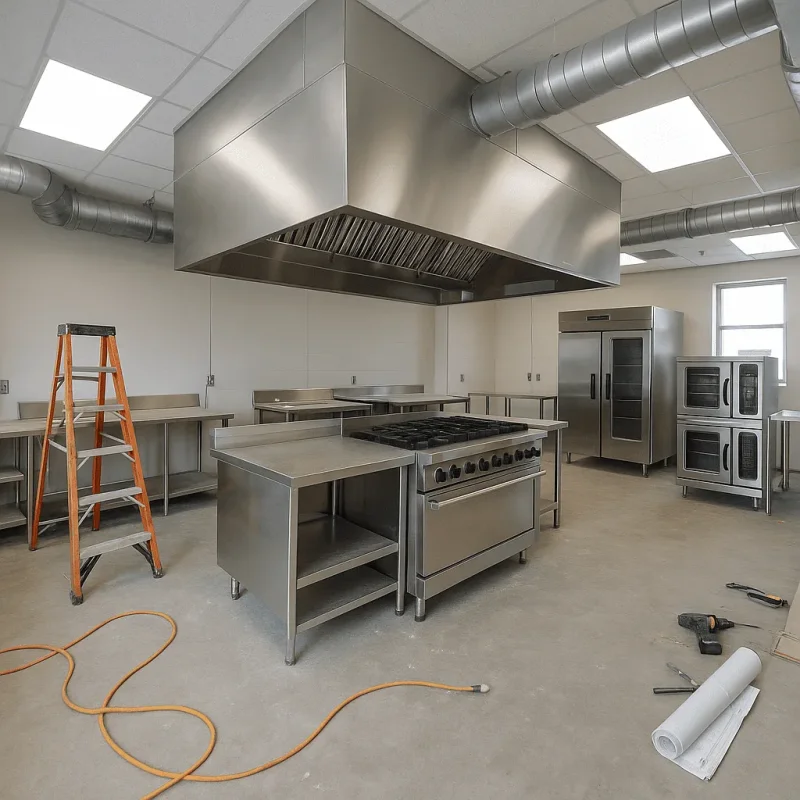
- Insufficient ventilation leading to poor air quality during meal preparation
- Worn or damaged flooring materials unsuited for heavy daily use
- Limited electrical capacity for modern cooking equipment
- Difficulty integrating new technology while preserving historic architectural elements
Reasons for Renovation and Repair of Seattle School Kitchens
Many Seattle schools opt for kitchen renovations and dining facility construction to address evolving needs and improve student well-being. Factors driving these projects include:
- Compliance with updated food safety and accessibility regulations specific to Washington state
- Enhancing energy efficiency to reduce operational costs in a city with a focus on sustainability
- Expanding capacity to serve growing student populations in neighborhoods such as Ballard and South Lake Union
- Upgrading equipment to accommodate diverse meal options and nutritional standards
- Improving aesthetics and comfort to create an inviting dining atmosphere supporting students’ social development
Effective Methods for Repair and Renovation in Seattle Schools
Executing a successful construction or renovation project in a Seattle school dining facility requires thorough planning and skilled professionals. Proven methods include:
- Performing detailed initial assessments to identify structural and system deficiencies
- Collaborating closely with school district officials and city departments to obtain necessary permits efficiently
- Using moisture-resistant and durable materials tailored for Seattle’s humid climate
- Implementing phased construction schedules to minimize disruption during school hours
- Incorporating energy-efficient appliances and sustainable construction practices aligned with local green building incentives
Remodeling Cost Factors for School Dining Facilities in Seattle
The cost to renovate or construct school dining facilities in Seattle varies according to several factors that professional craftsmen carefully evaluate to optimize budget and quality. Key cost components include:
- Size and complexity of the kitchen and dining area layout
- Extent of necessary plumbing, electrical, and HVAC system updates
- Quality and type of materials chosen, especially those suited for the Northwest environment
- Scheduling constraints which may affect labor costs due to limited construction windows in active schools
- Integration of advanced kitchen technology and equipment
- Permitting and compliance costs related to Seattle and Washington state regulations
Most renovation quotes from experienced contractors like Pioneer Remodel include design, materials, labor, cleanup, and inspections to ensure a comprehensive service that aligns with district and city requirements.
Prevention and Maintenance Tips for Seattle School Kitchens
Maintaining the performance and safety of newly constructed or renovated school dining facilities in Seattle requires ongoing care. Recommended practices include:
- Regular inspections of ventilation and filtration systems to prevent mold and mildew in the damp climate
- Routine maintenance of kitchen appliances to ensure optimal function and energy efficiency
- Periodic flooring and surface repairs to address wear from heavy foot traffic
- Training school staff on proper use and cleaning of equipment to prolong lifespan
- Scheduling annual professional assessments by licensed repair and restoration experts familiar with Seattle building codes
These proactive measures help preserve investment value, ensure food safety, and comply with local health department standards.
Conclusion
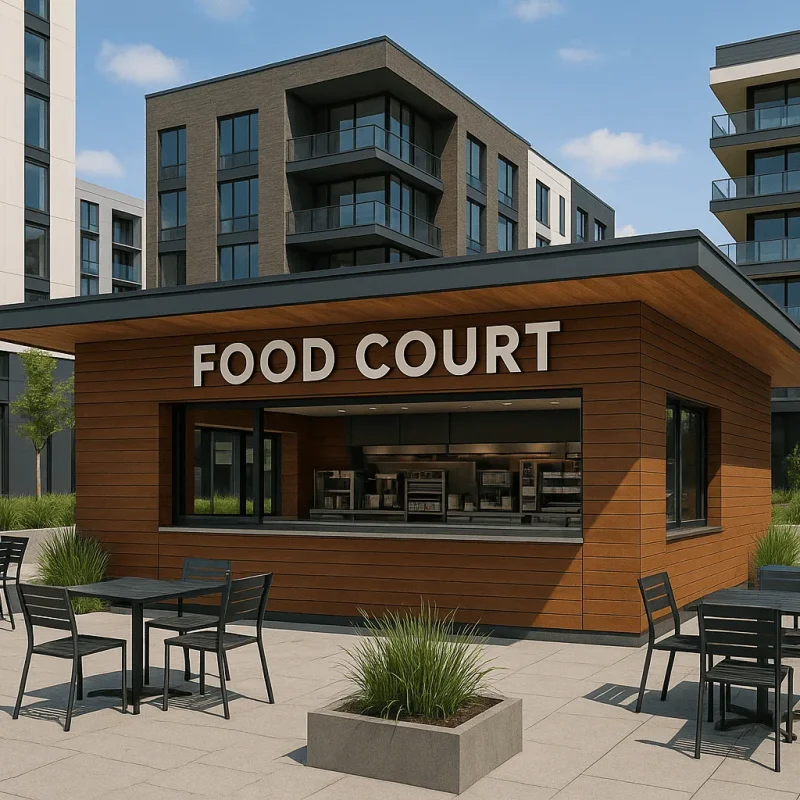
Seattle schools looking to modernize dining facilities benefit greatly from professional construction and restoration services offered by skilled craftsmen, ensuring safe, efficient, and welcoming environments aligned with community and regulatory standards.