


Common Challenges in Seattle Lab Classroom Construction
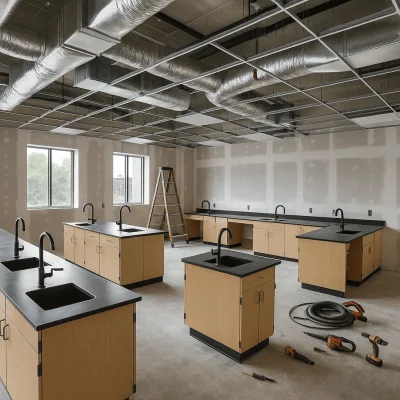
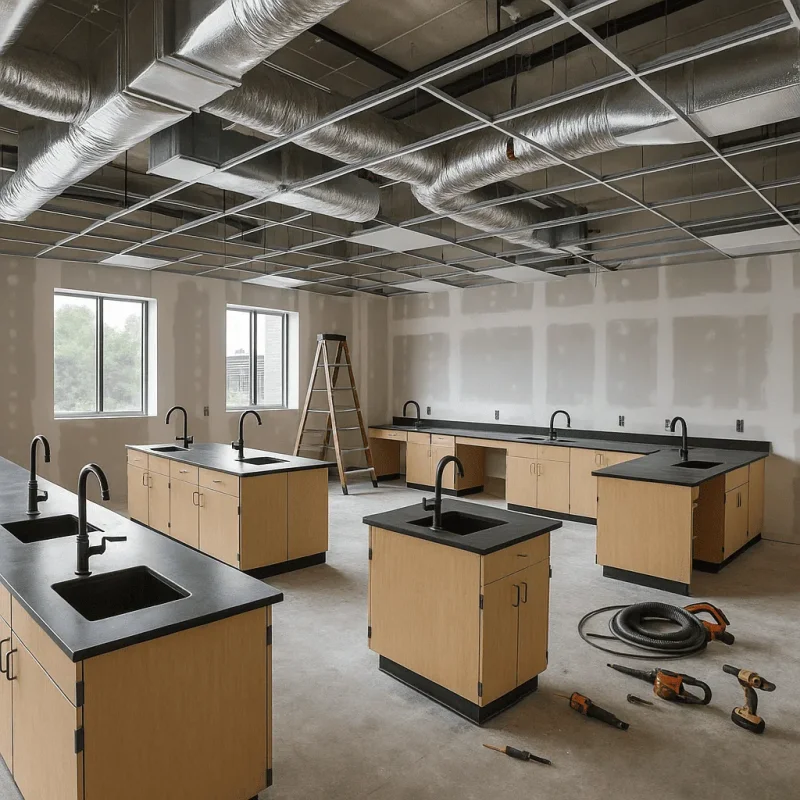
Constructing and upgrading lab classrooms in Seattle presents unique challenges that require experience and expertise in both educational facility construction and safety standards. Common issues faced during lab classroom construction in Seattle include:
- Compliance with Washington State and Seattle building codes, especially regarding ventilation and chemical storage.
- Adapting older school buildings, many located near iconic landmarks like the Space Needle and Pike Place Market, to modern safety and functional standards.
- Maximizing limited urban space for efficient lab layouts without compromising on equipment or student safety.
- Ensuring proper integration of advanced technology and infrastructure to support STEM education initiatives prevalent in Seattle schools.
- Addressing environmental sustainability requirements commonly emphasized in the Pacific Northwest region.
Primary Reasons for Repair and Safety Upgrades in Lab Classrooms
Repair and upgrade projects for lab classrooms in Seattle often arise due to the following factors:
- Outdated electrical and ventilation systems that fail to meet current safety standards and hamper proper air quality control.
- Wear and tear to lab surfaces, plumbing, and fixtures caused by frequent use and exposure to chemicals.
- Enhanced safety regulations requiring chemical spill containment, fire suppression systems, and secure storage solutions.
- Implementation of new curriculum demands necessitating updated workstations and technology infrastructure.
- Seattle schools aiming to improve building energy efficiency and adhere to green building practices.
How to Approach Lab Classroom Construction and Safety Improvements
Professional craftsmen and construction specialists in Seattle recommend a systematic approach to lab classroom construction and safety upgrades:
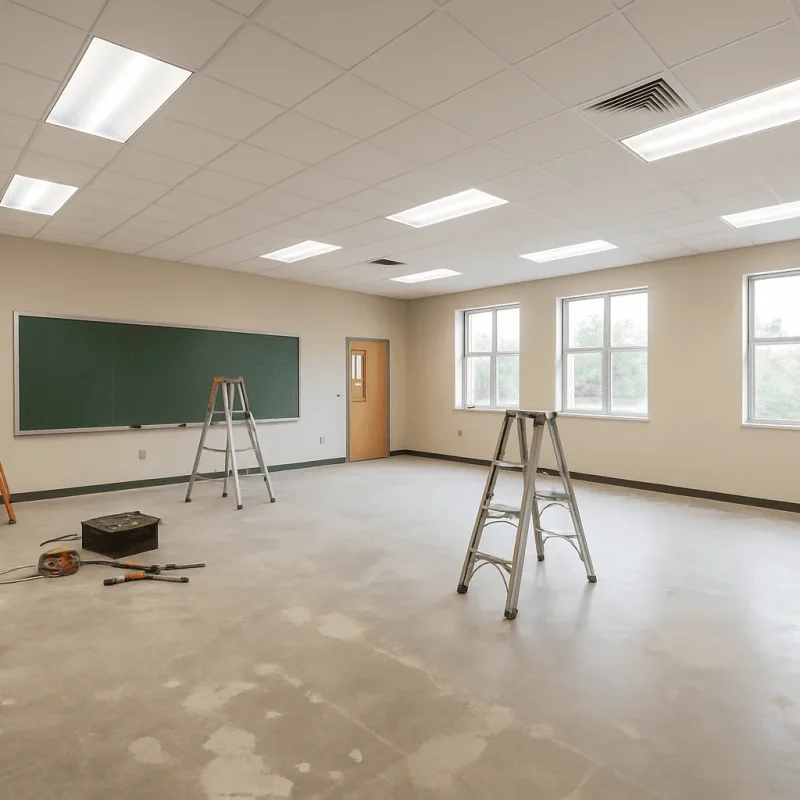
- Initial assessment of the existing classroom condition, including structural elements, ventilation, and safety systems.
- Collaboration with school administrators and educators to align the space design with educational needs and safety protocols.
- Obtaining necessary permits from Seattle building authorities, leveraging contractors familiar with local regulatory requirements.
- Using durable, chemical-resistant materials tailored to lab environments to ensure longevity.
- Incorporating advanced HVAC systems for optimal air flow and contamination control specific to laboratory activities.
- Installation of safety features such as eye wash stations, fire suppression equipment, and secure chemical storage.
- Ongoing communication with stakeholders throughout construction for timely adjustments and quality assurance.
Factors Affecting Lab Classroom Remodeling Costs in Seattle
Understanding remodeling costs for lab classrooms in Seattle helps schools plan budgets effectively. Key factors influencing pricing include:
- Scope of Work: Includes the extent of structural repairs, system upgrades, and installation of specialized equipment.
- Material Selection: High-grade, chemical-resistant surfaces and advanced ventilation components tend to increase costs.
- Labor Expertise: Employing professional craftsmen skilled in Seattle building codes and lab-specific safety enhances quality but impacts pricing.
- Permitting and Compliance: Local permit fees and compliance inspections add to the overall project cost.
- Timeline: Expedited projects can incur higher labor and material expenses due to demand and scheduling constraints.
- Technological Integration: Adding state-of-the-art audio-visual and data systems to support STEM curricula.
These elements combine to define a project’s budget, which typically includes materials, labor, permits, and safety feature installations. Proper planning with Pioneer Remodel, a trusted Seattle-based construction company, ensures transparent budgeting and quality results.
Prevention and Maintenance Tips for Durable Lab Classrooms in Seattle
After construction or safety upgrades, maintaining the integrity of lab classrooms is vital for ongoing safety and functionality. Consider these expert recommendations:
- Schedule regular inspections of ventilation and electrical systems to detect and correct issues early.
- Implement routine cleaning protocols using recommended substances to protect lab surfaces from chemical damage.
- Train school staff and students on safety procedures and equipment usage to minimize accidents and wear.
- Apply protective coatings to countertops and lab furniture to extend durability against spills and abrasion.
- Maintain documentation of repairs and upgrades to facilitate future restorations and compliance reviews.
- Work with professional craftsmen for periodic maintenance to address subtle issues before they escalate.
Conclusion
Providing safe, modern lab classrooms in Seattle requires focused construction and professional restoration services that meet local standards and educational goals, making Pioneer Remodel a reliable partner in these transformative projects.