


Common Issues with Ridge Vent Installation in Seattle
Seattle\'s unique climate and architectural styles create specific challenges for ridge vent installation and roof ventilation construction. Homeowners and property managers often encounter several common malfunctions that affect the efficiency and longevity of roof ventilation systems.
- Improper Vent Placement: Incorrect positioning of ridge vents can lead to poor airflow, reducing their effectiveness in ventilating attic spaces.
- Water Intrusion: Seattle\'s frequent rain exposes ridge vents to potential leaks if not sealed and installed with proper moisture barriers.
- Inadequate Ventilation Capacity: Older homes in neighborhoods like Ballard and Capitol Hill may have insufficient ventilation, causing heat buildup and moisture accumulation.
- Debris Blockage: Accumulated leaves and pine needles from Seattle\'s abundant greenery can clog ridge vents, hindering airflow and increasing the risk of damage.
- Damage from Weather and Wildlife: Windstorms and local wildlife such as birds can cause physical damage or nests inside ridge vents, disrupting proper function.
Top Reasons to Repair or Upgrade Roof Ventilation in Seattle
Understanding why repair or upgrading roof ventilation is necessary in Seattle can help homeowners protect their investment and maintain energy efficiency throughout the year.
- Protect Against Moisture Damage: Seattle\'s high humidity and rainfall necessitate efficient ventilation to prevent mold, mildew, and wood rot in roofing structures.
- Enhance Energy Efficiency: Proper ridge vent installation improves attic ventilation, reducing cooling costs during warm summer months common in Seattle.
- Extend Roof Lifespan: Eliminating heat and moisture buildup helps prevent premature deterioration of roofing materials common in residential areas such as Queen Anne and Fremont.
- Local Building Code Compliance: Ensures that ventilation meets Seattle city regulations, which can impact property resale and insurance requirements.
- Prevent Ice Dams: Effective ridge vents help reduce ice dam formation during Seattle\'s wet winters, minimizing structural damage risks.
How to Properly Install or Repair Ridge Vents in Seattle Homes
Professional craftsmanship is essential to ensure ridge vents function reliably and efficiently, especially given Seattle\'s unique weather conditions and architectural diversity.
- Assessment and Planning: Evaluate the existing roof structure and ventilation needs tailored to Seattle\'s temperate maritime climate and home style.
- Acquire Necessary Permits: Comply with Seattle city codes and guidelines by securing permits before beginning construction or repair work.
- Select Appropriate Materials: Use high-quality, weather-resistant ridge vents and complementary roofing materials suitable for local conditions, such as cedar shingles common in many Seattle neighborhoods.
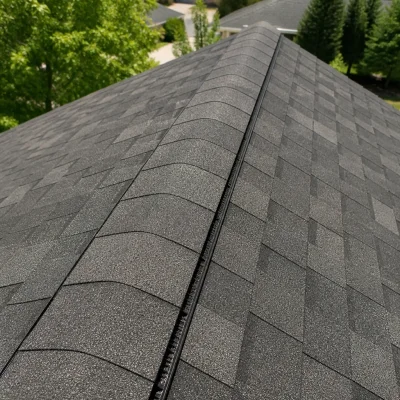
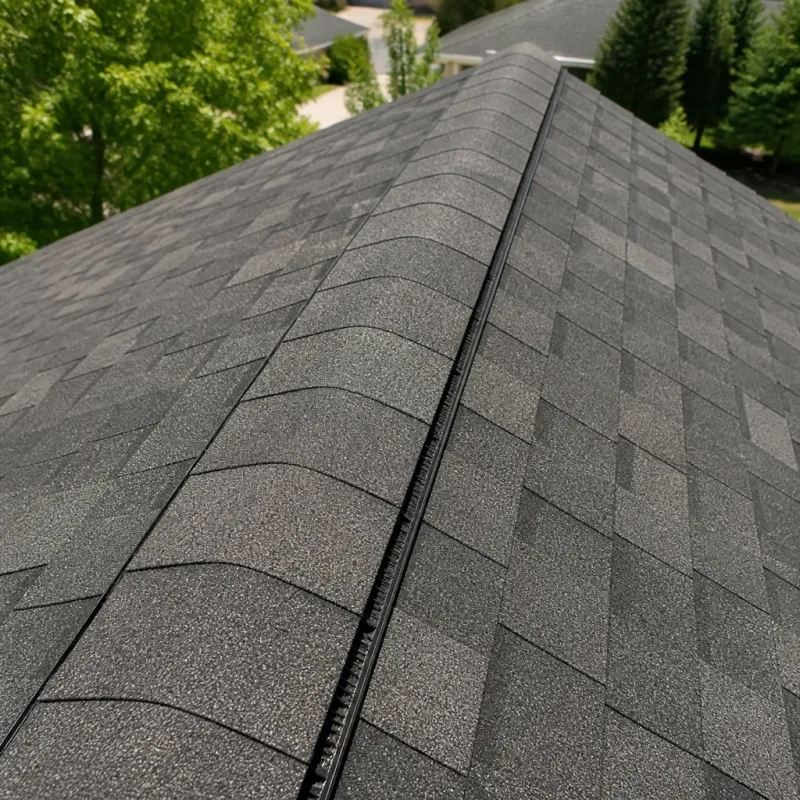
- Precision Installation: Cut and install ridge vents along the roof peak ensuring optimal spacing, sealing, and flashing to prevent leaks.
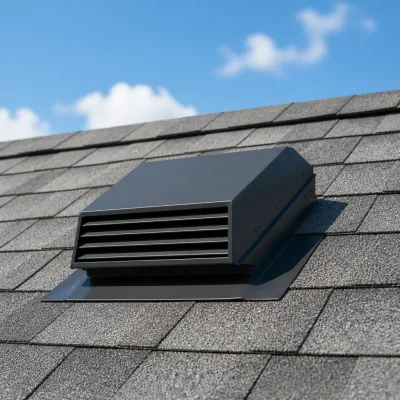
- Integration with Soffit Vents: Balance intake and exhaust ventilation by pairing ridge vents with soffit vents typical in Seattle homes for maximum airflow.
- Post-Installation Inspection: Conduct thorough inspections to verify the system\'s integrity against Seattle weather factors including heavy rain and wind.
Remodeling Cost Factors for Ridge Vent Installation & Roof Ventilation in Seattle
The cost of installing or repairing ridge vents and roof ventilation in Seattle depends on several local and project-specific factors that affect overall pricing.
- Roof Size and Complexity: Larger roofs or those with multiple pitches, often seen in Seattle\'s historic districts, require more materials and labor.
- Material Selection: The choice between metal ridge vents, shingle-over vents, or other ventilation systems impacts cost due to durability and installation difficulty.
- Labor Expertise: Hiring professional craftsmen like those from Pioneer Remodel ensures quality work but can reflect in pricing based on specialized skills and local demand in Seattle.
- Permit and Inspection Fees: Costs associated with obtaining city permits and mandatory inspections are part of the project budget.
- Existing Roof Condition: Repairs needed to the roof deck or flashing before vent installation may add to overall expenses.
The quoted costs generally cover material procurement, labor, disposal of old components, permit acquisition, and final quality inspection to ensure the work meets Seattle\'s building standards.
Preventive Measures and Maintenance Tips for Roof Ventilation in Seattle
Maintaining effective roof ventilation in the Seattle area helps protect homes from the region\'s persistent rain and dampness, extending the roof system\'s functionality and durability.
- Regular Inspection: Schedule annual checks to assess ridge vent condition and identify any blockages caused by Seattle\'s abundant foliage.
- Clean Debris Removal: Clear moss, leaves, and needles regularly to maintain unobstructed airflow and prevent moisture trapping.
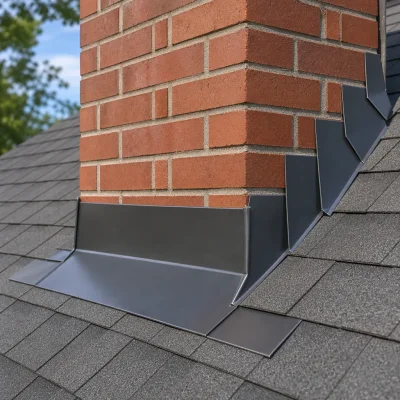
- Address Minor Repairs Promptly: Fix loose flashing or damaged vent caps before they escalate into major leaks during Seattle\'s heavy rainfall.
- Maintain Balanced Ventilation: Ensure intake (soffit vents) and exhaust (ridge vents) are both functioning correctly to prevent attic overheating or moisture build-up.
- Professional Evaluation: Hire experts like Pioneer Remodel to provide periodic professional diagnostics and maintenance tailored for Seattle properties.
Summary of Ridge Vent Installation & Roof Ventilation Services in Seattle
Choosing experienced professionals for ridge vent installation and roof ventilation work in Seattle ensures customized solutions that address local climate challenges, building codes, and home styles while maximizing durability and energy efficiency.