


Common Issues with Attic Ventilation in Seattle Homes
Proper attic ventilation is essential for maintaining the structural integrity and energy efficiency of homes in Seattle. Due to the city’s often damp and mild climate, Seattle homes frequently encounter specific problems related to attic ventilation systems. Understanding these common issues can help homeowners recognize when professional intervention is needed.
- Moisture Accumulation: Excess humidity in Seattle’s climate can lead to condensation build-up in the attic, promoting mold growth and wood rot if ventilation is inadequate.
- Ice Dams Formation: Improper attic ventilation can cause uneven roof temperatures, leading to ice dams during colder months, especially in neighborhoods near the Cascade foothills.
- Excessive Heat Build-up: Although Seattle is known for its mild summers, poorly ventilated attics can still trap heat, increasing cooling costs and reducing home comfort.
- Unbalanced Airflow: Incorrect installation or design of vents can cause poor air circulation, resulting in stagnant air pockets and increased wear on roofing materials.
- Pest Intrusion: Insufficient or damaged vent covers can allow small animals or insects to enter the attic space.
Reasons to Prioritize Attic Vent Installation and Ventilation Construction in Seattle
Given Seattle\'s unique weather patterns and housing stock, investing in professional attic vent installation and ventilation construction is critical. Homeowners in areas such as Ballard, Capitol Hill, and Queen Anne should be aware of the key reasons to address these needs promptly.
- Prevent Structural Damage: Proper ventilation helps mitigate moisture-related damage to ceilings, rafters, and insulation.
- Enhance Energy Efficiency: Well-ventilated attics contribute to lower heating and cooling costs by stabilizing indoor temperatures.
- Improve Indoor Air Quality: Removing moisture and stale air reduces the potential for allergens and mildew accumulation.
- Protect Historic Properties: Many Seattle homes are older and benefit from attention to ventilation to preserve original woodwork and architectural features.
- Comply with Local Building Codes: Seattle\'s construction regulations often require up-to-date ventilation systems for home safety and resale value.
How Professional Craftsmen Approach Attic Vent Installation and Ventilation Construction in Seattle
Trusted companies like Pioneer Remodel provide expert attic ventilation solutions tailored to Seattle\'s climate and architectural variety. The process typically involves a series of meticulous steps to ensure effective airflow and long-lasting performance.
- Inspection and Assessment: Evaluating the current attic condition, vent types, and airflow patterns to determine necessary improvements.
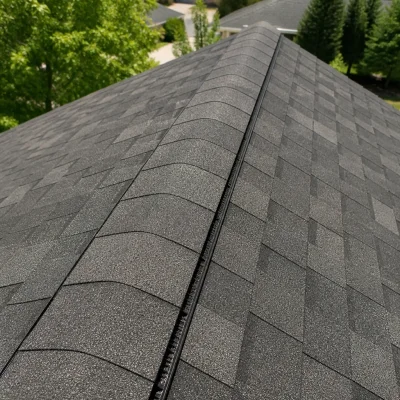
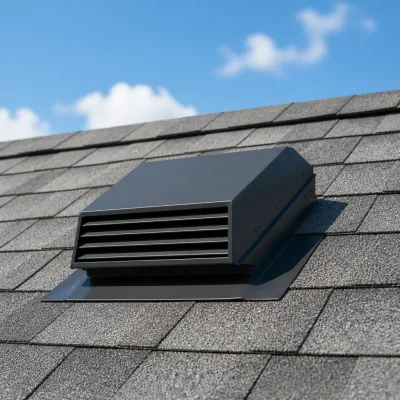
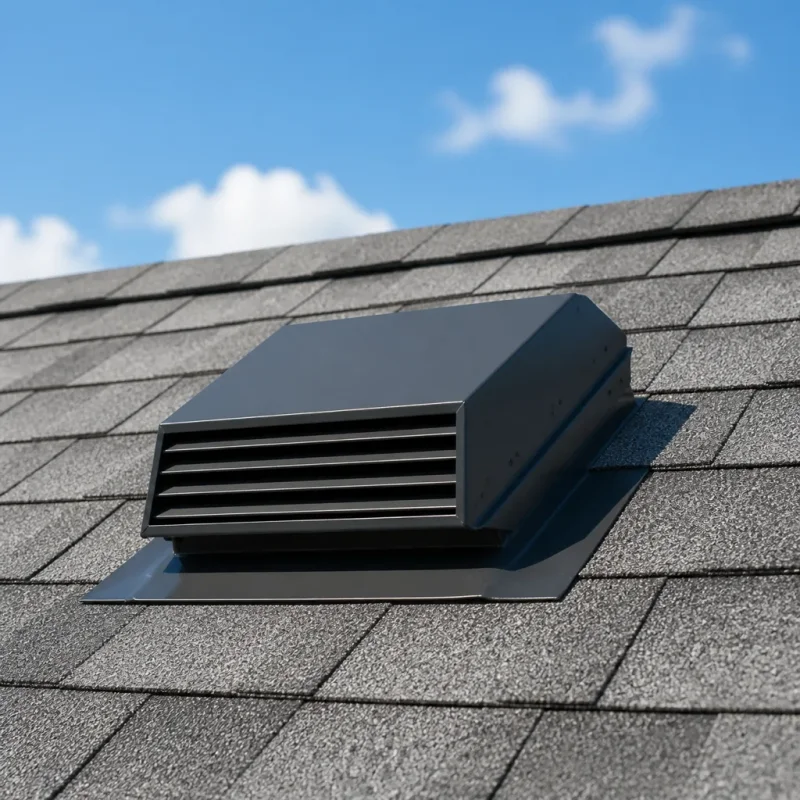
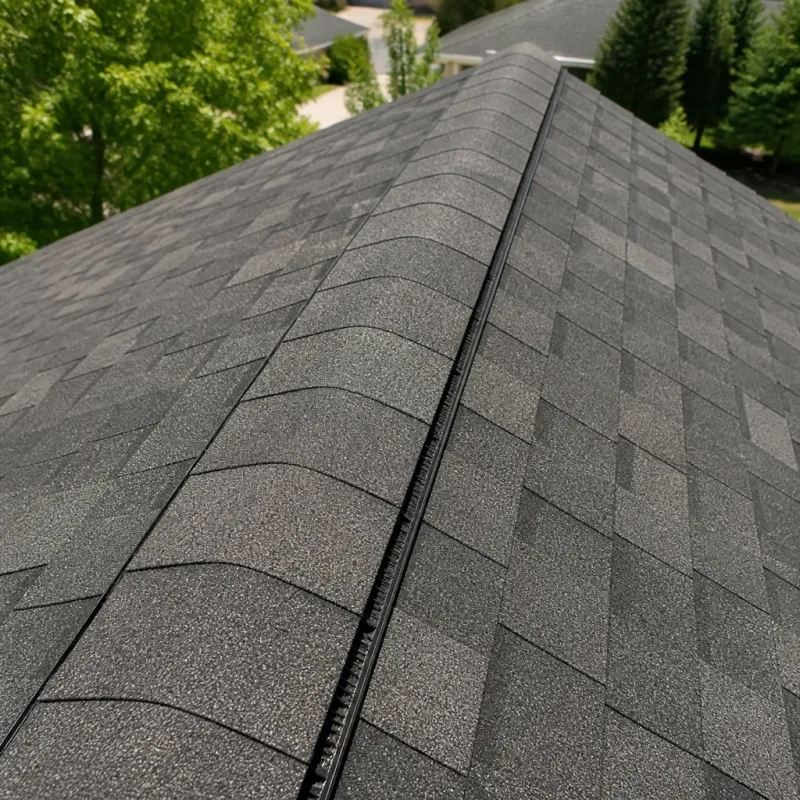
- Custom Vent Selection: Choosing between ridge vents, soffit vents, gable vents, or powered ventilation systems based on the home’s design and ventilation needs.
- Proper Installation: Skilled craftsmen install vents to maximize cross-ventilation, ensuring air enters and exits evenly without gaps or obstructions.
- Sealing and Insulation Adjustments: Addressing any leaks or insulation inconsistencies around the vents to maintain energy efficiency.
- Final Inspection and Testing: Confirming that the ventilation system operates effectively and meets Seattle building standards.
Remodelling Cost Factors for Attic Vent Installation and Ventilation Construction in Seattle
Understanding the cost structure for attic vent installation is important for Seattle homeowners planning renovations or repairs. The pricing can vary widely depending on several local factors and project specifics.
- Type of Ventilation System: Basic passive vents such as soffit or gable vents generally cost less than powered or solar attic ventilation systems.
- Extent of Installation: The number of vents needed and the complexity of retrofitting older homes in neighborhoods like Fremont or Phinney Ridge affect labor and material costs.
- Propensity for Repairs: Additional restoration work on roofing components, insulation, or ceiling materials increases overall expenses.
- Permit and Code Compliance: Meeting Seattle\'s strict construction codes may require inspections or permit fees included in the project cost.
- Professional Labor: Hiring experienced craftsmen enhances quality and durability but impacts the total price depending on their expertise and company reputation.
Typically, the quoted cost includes materials, labor, ventilation system components, and any necessary finishing work such as sealing and insulation adjustments.
Prevention and Maintenance Tips for Optimal Attic Ventilation in Seattle Homes
Maintaining effective attic ventilation ensures continued home comfort and prevents costly repairs. Pioneer Remodel recommends practical steps Seattle homeowners can adopt to preserve their ventilation systems.
- Regular Inspections: Check vents bi-annually, especially before and after rainy seasons common in Seattle, to ensure they are free of debris and in good condition.
- Clear Obstructions: Remove leaves, nests, or insulation blocking the airflow in soffits or ridge vents.
- Maintain Proper Insulation: Ensure insulation does not block vent openings and that attic floor insulation remains evenly distributed.
- Control Moisture Sources: Address bathroom and kitchen ventilation to reduce excess attic humidity.
- Schedule Professional Assessments: Engage expert craftsmen periodically for thorough system evaluations and updates according to evolving Seattle building standards.
Conclusion
Investing in professional attic vent installation and ventilation construction in Seattle protects your home’s structure, improves energy efficiency, and enhances indoor air quality, making it a smart long-term home improvement.