


Common Challenges in Retail Lighting Systems Design in Seattle
Retail lighting systems in Seattle face unique challenges due to the city’s diverse architectural styles and variable natural light conditions. Understanding these challenges is crucial for creating effective lighting solutions that enhance customer experience and product visibility.
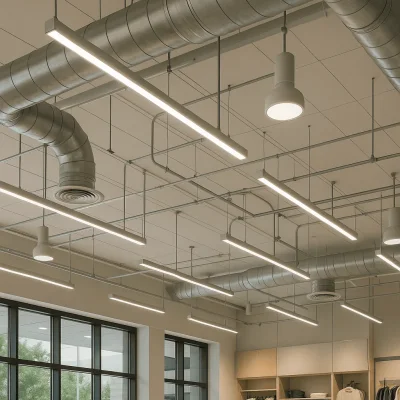
- Variable daylight exposure due to Seattle’s cloudy weather and large window spaces
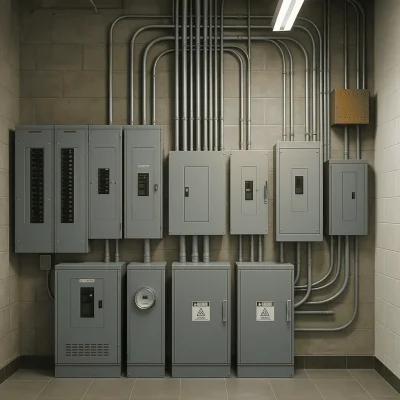
- Older retail buildings requiring electrical upgrades for modern lighting fixtures
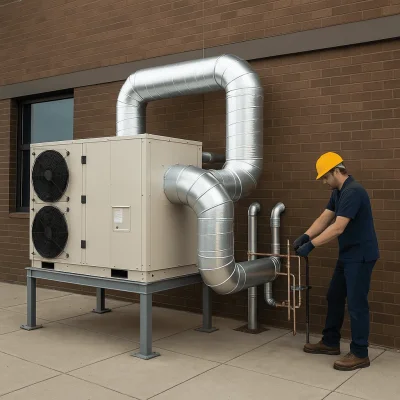
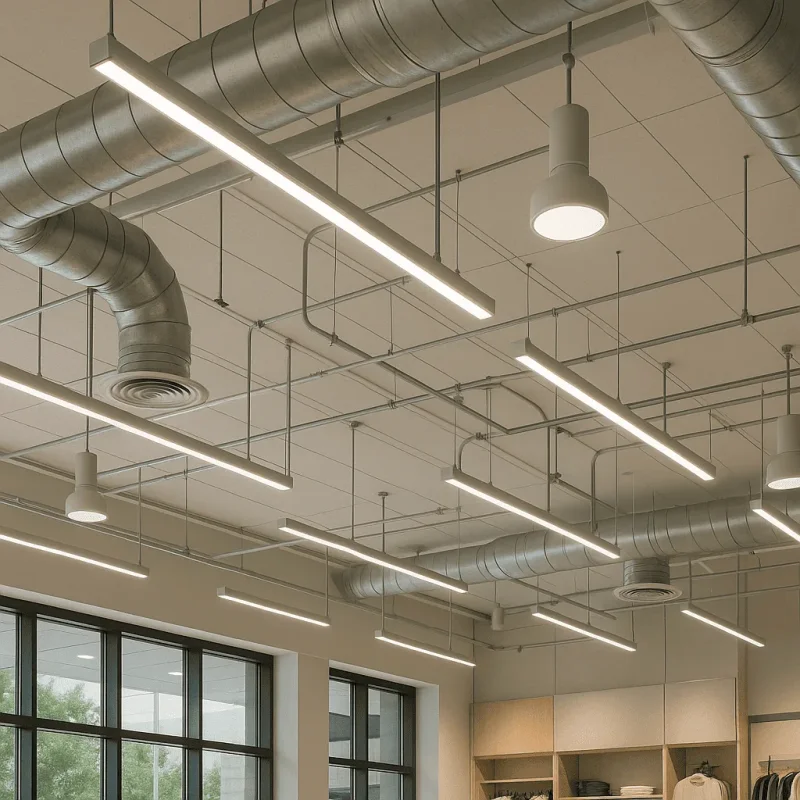
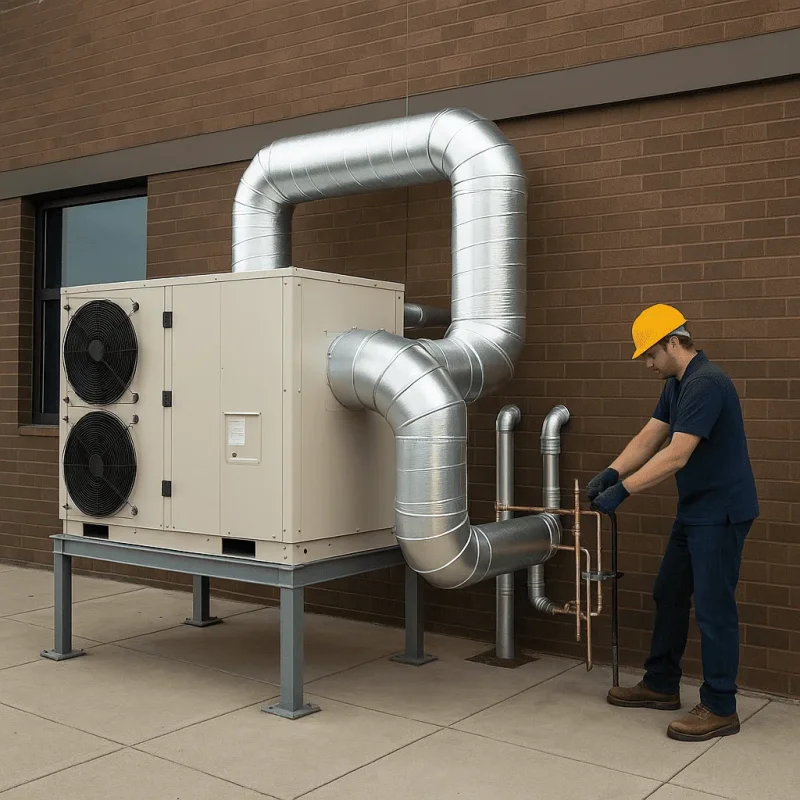
- Compatibility with existing HVAC systems to avoid energy inefficiency
- Balancing aesthetic appeal with functional illumination in diverse retail layouts
- Ensuring lighting complements the city’s sustainability standards and green building codes
Primary Reasons for Retail Lighting System Repairs in Seattle
Effective lighting is essential for retail success, and when systems fail, corrective actions are needed promptly. Several factors drive the need for repair and maintenance in Seattle’s retail lighting installations.
- Wear and tear caused by constant usage during long business hours
- Exposure to moisture and humidity common in Seattle’s climate, affecting electrical components
- Outdated or incompatible fixtures in older buildings that cause frequent outages
- Improper initial installation or design not tailored for Seattle\'s retail environments
- Energy inefficiency prompting upgrades to LED and smart lighting systems
How to Repair and Maintain Retail Lighting Systems Professionally
Retail lighting repairs and maintenance require a professional approach to ensure longevity and optimal performance. Expert craftsmen at Pioneer Remodel provide tailored solutions to meet Seattle's market expectations and building codes.
- Conduct a comprehensive audit of the existing lighting system to identify faulty components
- Replace outdated bulbs and fixtures with energy-efficient, commercial-grade alternatives
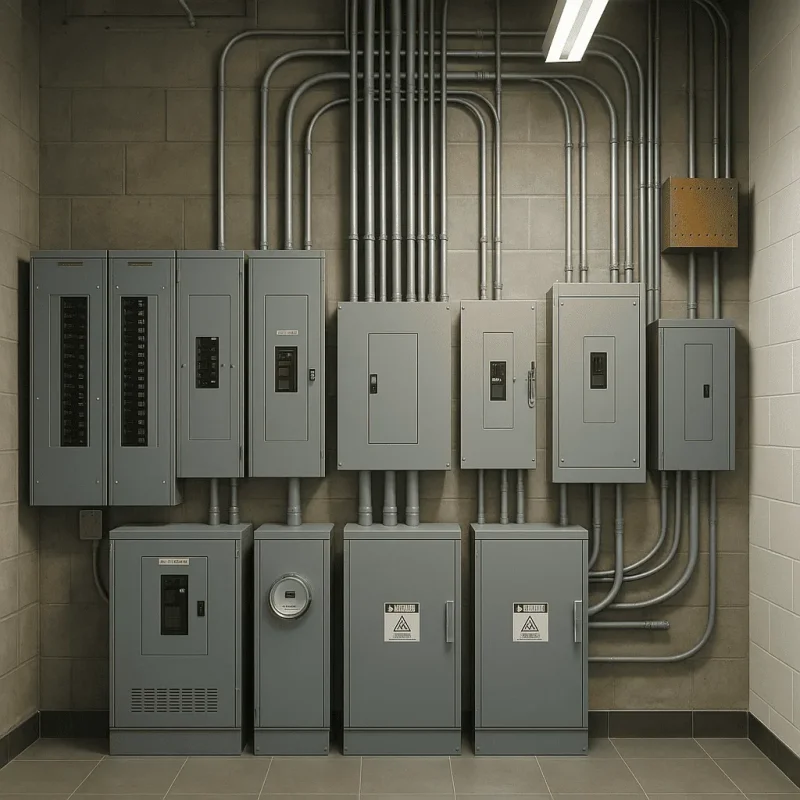
- Upgrade wiring and electrical panels to comply with current safety standards
- Install smart control systems for adjustable lighting that suits Seattle’s varying daylight
- Regularly schedule maintenance checks to prevent unexpected failures during peak retail hours
Remodelling Cost Factors for Retail Lighting Systems in Seattle
The cost of designing and installing retail lighting systems in Seattle varies based on several integral factors. Understanding these helps business owners budget accurately and invest wisely.
- Size and layout complexity of the retail space, including window count and ceiling height
- Type of lighting fixtures chosen, such as LED, track lighting, or bespoke installations
- Electrical system upgrades required for older Seattle buildings with outdated infrastructure
- Integration with smart lighting controls and automation features for energy management
- Labor costs dependent on professional craftsmen expertise, local permitting, and compliance with city regulations
Generally, the cost includes design consultation, material procurement, installation labor, and post-installation testing to ensure full functionality. Pioneer Remodel provides transparent estimates and professional guidance to navigate Seattle’s market effectively.
Prevention and Maintenance Tips for Seattle Retail Lighting Systems
Maintaining retail lighting systems proactively reduces repair costs and enhances overall shopping atmosphere. Here are practical tips tailored for Seattle’s retail environment:
- Schedule bi-annual inspections to check for moisture damage given Seattle’s humid climate
- Implement LED upgrades for extended bulb life and reduced energy consumption
- Use smart lighting controls to adjust brightness according to natural daylight intensity
- Keep electrical systems updated to prevent overloads common in older commercial buildings
- Engage professional craftsmen regularly for maintenance to ensure compliance with local codes and high-quality service
Conclusion
For expert retail lighting system design and installation in Seattle, Pioneer Remodel offers professional craftsmanship tailored to the city’s unique retail environments and regulatory landscape—ensuring enduring quality and customer satisfaction.