




Common Challenges in Seattle Retail Building Systems Construction
Retail building systems construction in Seattle encounters unique challenges due to the region’s climate, city regulations, and dense urban settings. Understanding these common issues helps in planning and executing successful projects for retail spaces.
- Seismic Requirements: Seattle\'s location in a seismic zone demands buildings to meet strict earthquake-resistant standards.
- Compact Urban Plots: Construction in neighborhoods like Capitol Hill or Belltown often faces space constraints, requiring careful logistics and design adaptations.
- Permit Complexity: Navigating local Seattle building codes and obtaining timely permits can delay projects if not properly managed.
- Energy Efficiency Standards: The city enforces high environmental standards, necessitating the integration of green building systems and energy-efficient upgrades.
- Integration with Historic Structures: Many retail buildings in areas like Pioneer Square may require restoration that respects historical architecture while upgrading modern systems.
Key Reasons to Upgrade Retail Building Systems in Seattle
Retailers are motivated to upgrade building systems to enhance functionality, customer experience, and comply with evolving standards in Seattle’s competitive market environment.
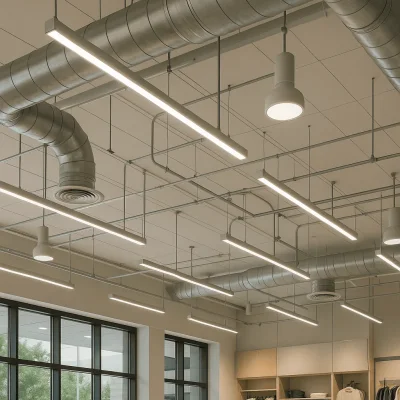
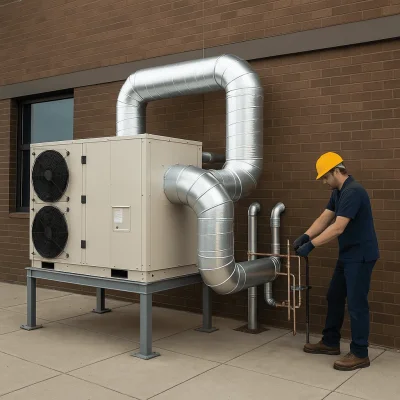
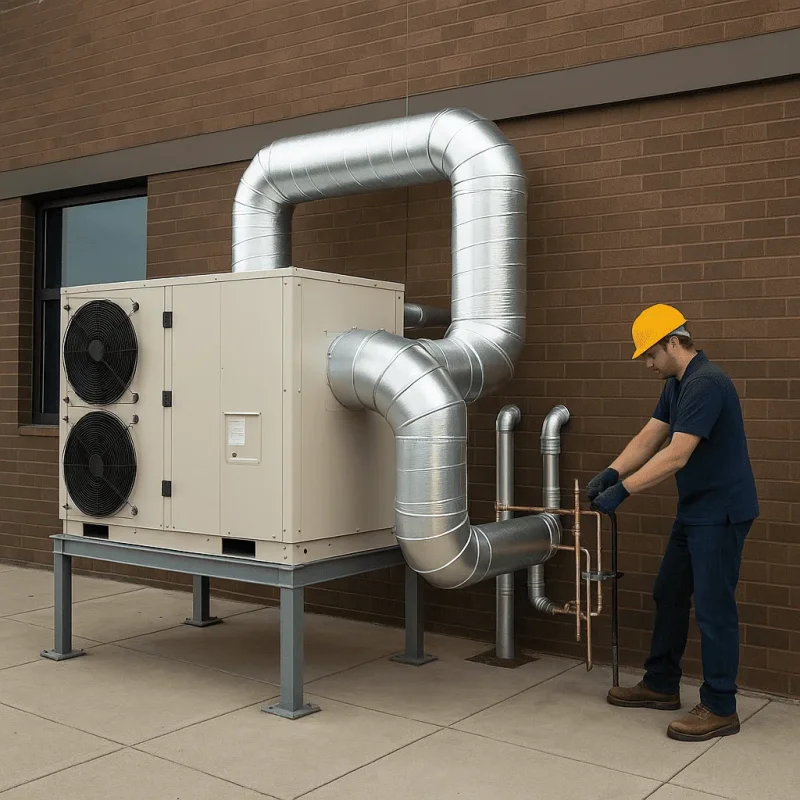
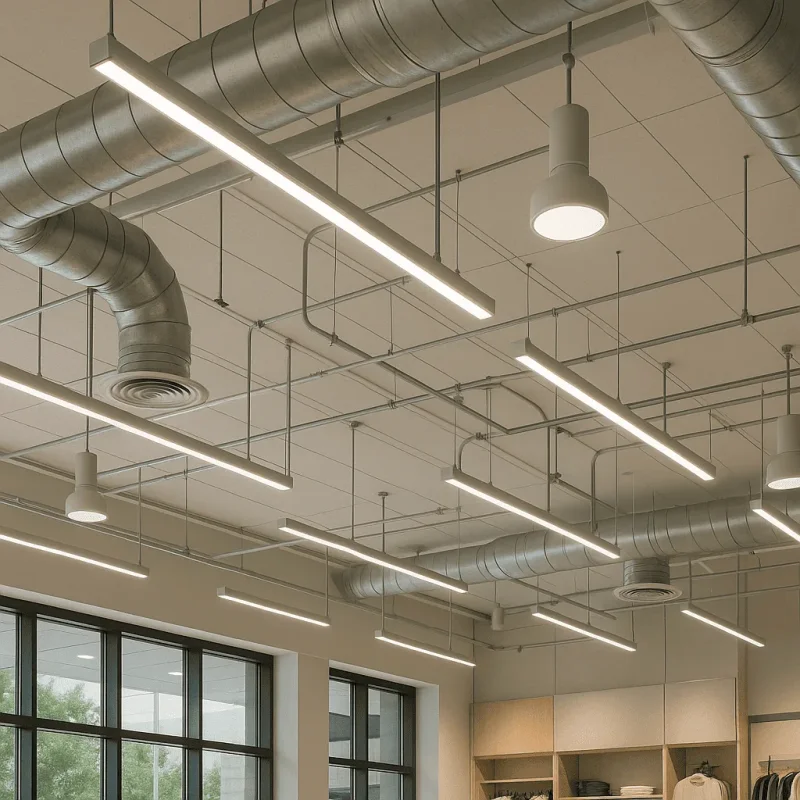
- Improved Energy Performance: Reducing operational costs through advanced HVAC, lighting, and insulation technologies helps meet Seattle\'s sustainability targets.
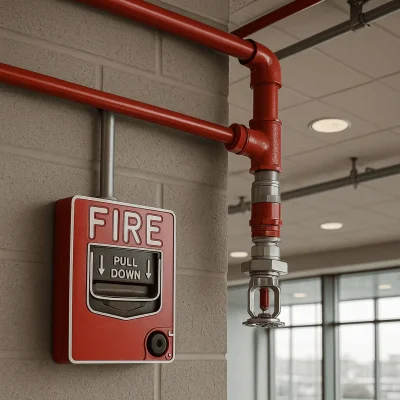
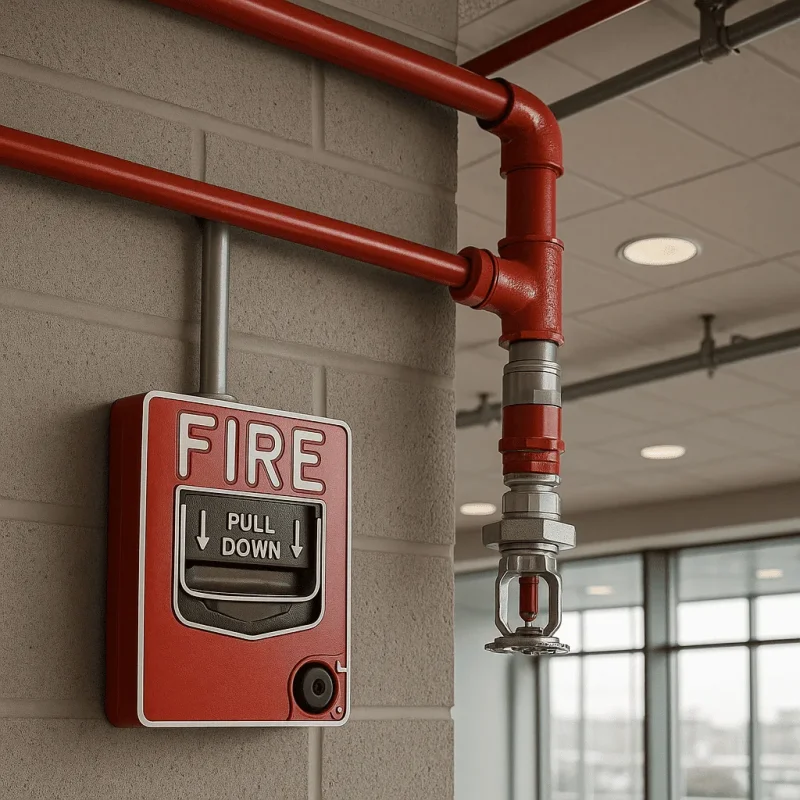
- Enhanced Safety Measures: Upgrading fire suppression and security systems protects assets and customers in compliance with local codes.
- Adapting to New Retail Trends: Modern building systems support digital integration, flexible layouts, and customer comfort in locations like Downtown Seattle.
- Extending Building Lifespan: Restorative efforts on outdated mechanical or electrical systems ensure longevity and reduce disruptive downtime.
- Regulatory Compliance: Ensuring all systems meet the latest Washington State and Seattle Municipal Codes to avoid penalties and closures.
How to Approach Retail Building Systems Construction and Upgrades
Effective planning and execution by professional craftsmen and construction teams in Seattle are critical to successful retail building systems projects.
- Site Assessment and System Evaluation: Comprehensive surveys identify existing issues and opportunities for improvement.
- Design and Engineering: Customized plans align with retail needs, energy codes, and space constraints typical of Seattle commercial districts.
- Obtaining Permits: Early and precise coordination with local authorities expedites approval for construction or retrofitting work.
- Construction and Installation: Skilled professionals implement upgrades with minimal disruption to ongoing retail operations.
- System Testing and Commissioning: Final inspections and performance verification ensure reliability and efficiency before project closeout.
Remodelling Cost Factors for Retail Building Systems in Seattle
The cost of construction and upgrades for retail building systems in Seattle varies based on several important factors that affect budgeting and planning.
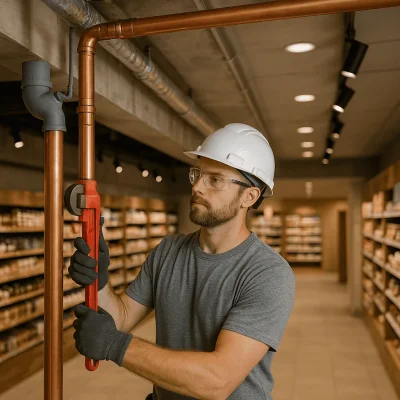
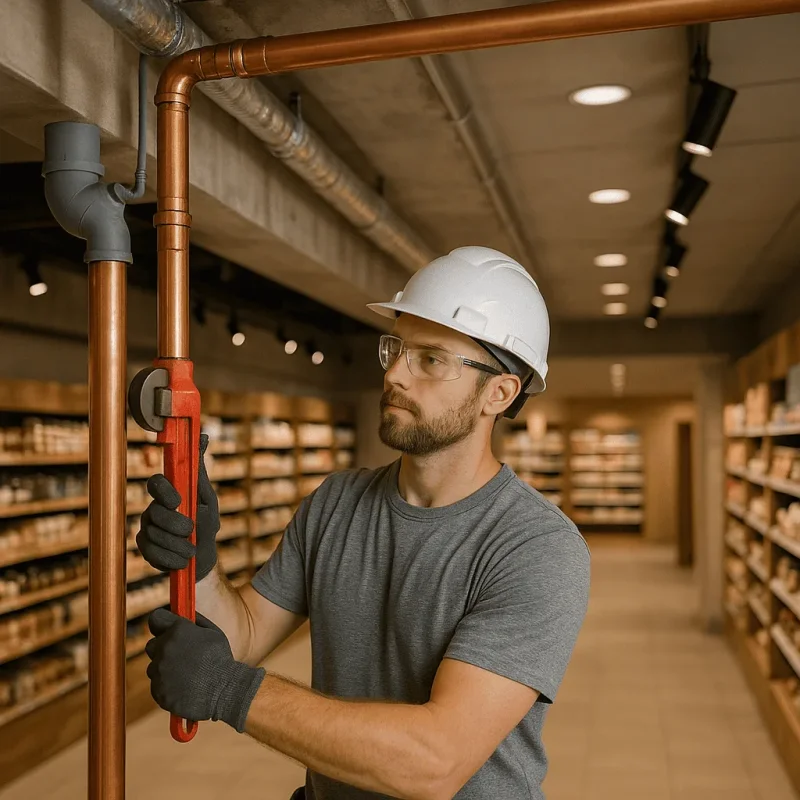
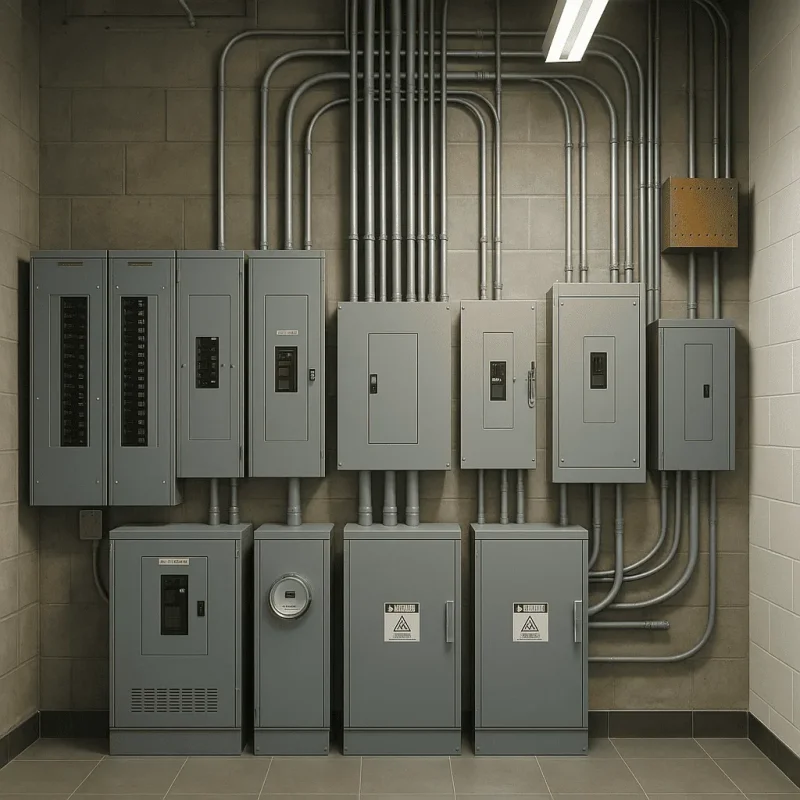
- Project Scope: The extent of systems involved—such as HVAC, electrical, plumbing, or fire protection—directly influences cost.
- Building Age and Condition: Older retail properties in areas like Queen Anne might require significant restoration, increasing investment.
- Permitting and Inspection Fees: Navigating Seattle\'s regulatory environment adds necessary compliance costs.
- Material and Labor Costs: Sourcing sustainable, high-quality materials and engaging skilled local craftsmen affect overall pricing.
- Technology Integration: Incorporating advanced control systems or smart building features can raise initial costs but improve efficiency long-term.
- Project Timeline: Expedited projects or those with limited construction windows in busy commercial corridors may incur premium rates.
Costs generally include design, permits, demolition, installation, finishing, and system testing. Working with experienced Pioneer Remodel professionals ensures transparent estimates and value-driven results.
Prevention and Maintenance of Retail Building Systems in Seattle
Ongoing maintenance and preventive measures are essential to sustain optimal performance and compliance for retail building systems in Seattle’s variable climate.
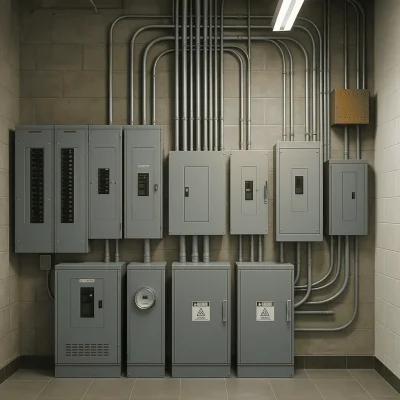
- Regular Inspections: Scheduling routine checks for HVAC filters, electrical panels, and plumbing prevents costly failures.
- System Cleaning and Calibration: Keeping mechanical components clean and correctly adjusted boosts efficiency and reliability.
- Monitoring Technology: Using automated monitoring tools detects issues early, minimizing downtime and repair expenses.
- Updating Safety Equipment: Maintaining fire alarms, exits, and emergency lighting protects occupants and satisfies code requirements.
- Documentation and Records: Keeping detailed maintenance logs facilitates warranty compliance and informs future upgrades.
Pioneer Remodel offers tailored maintenance programs to Seattle retail clients, extending system life and supporting uninterrupted business operations.
Conclusion
Partnering with professional craftsmen like Pioneer Remodel ensures Seattle retail building systems construction and upgrades meet local standards, enhance performance, and contribute to thriving commercial environments.