


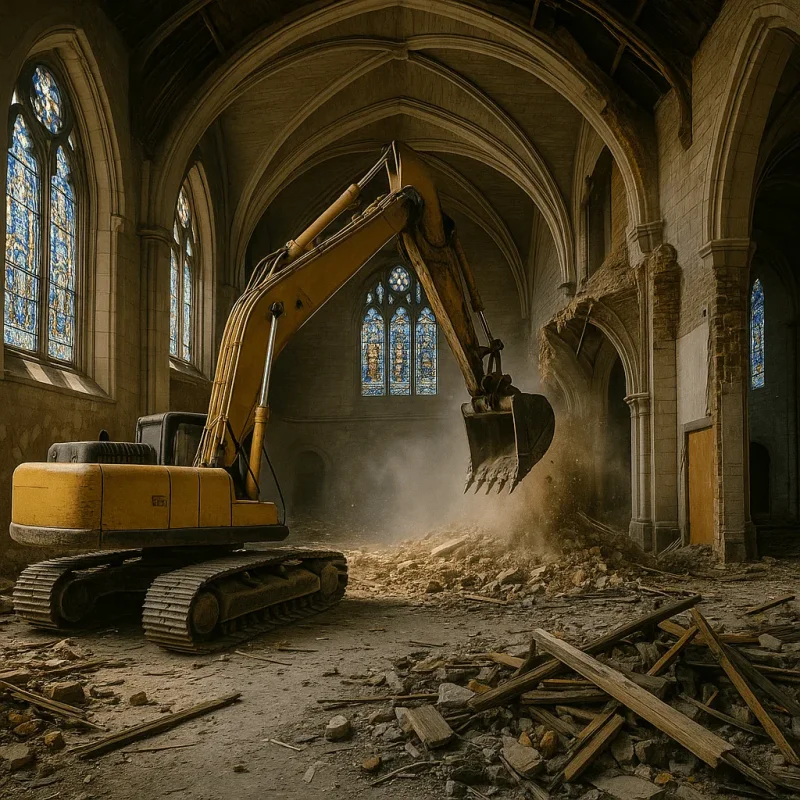
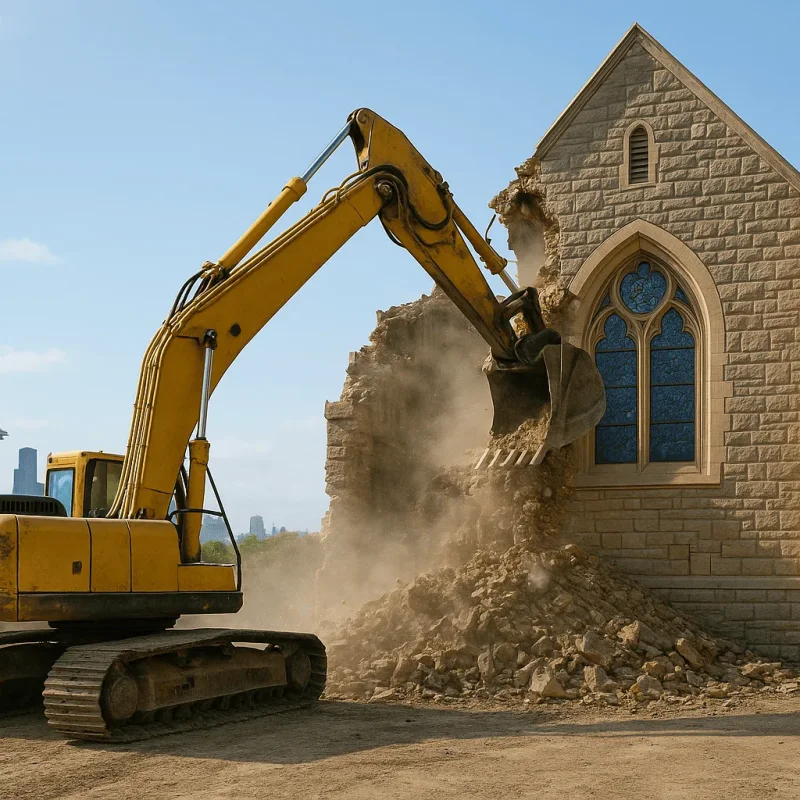
Common Challenges in Religious Site Preparation in Seattle
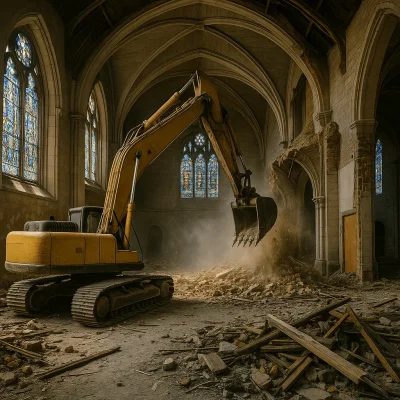
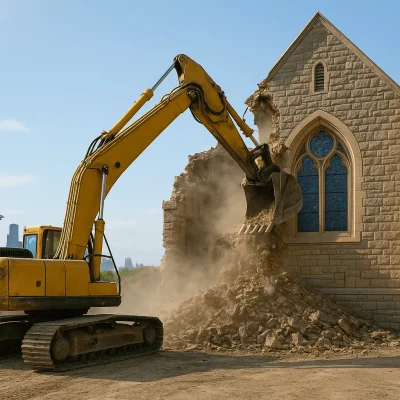
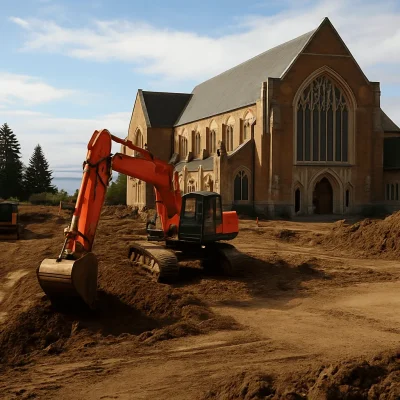
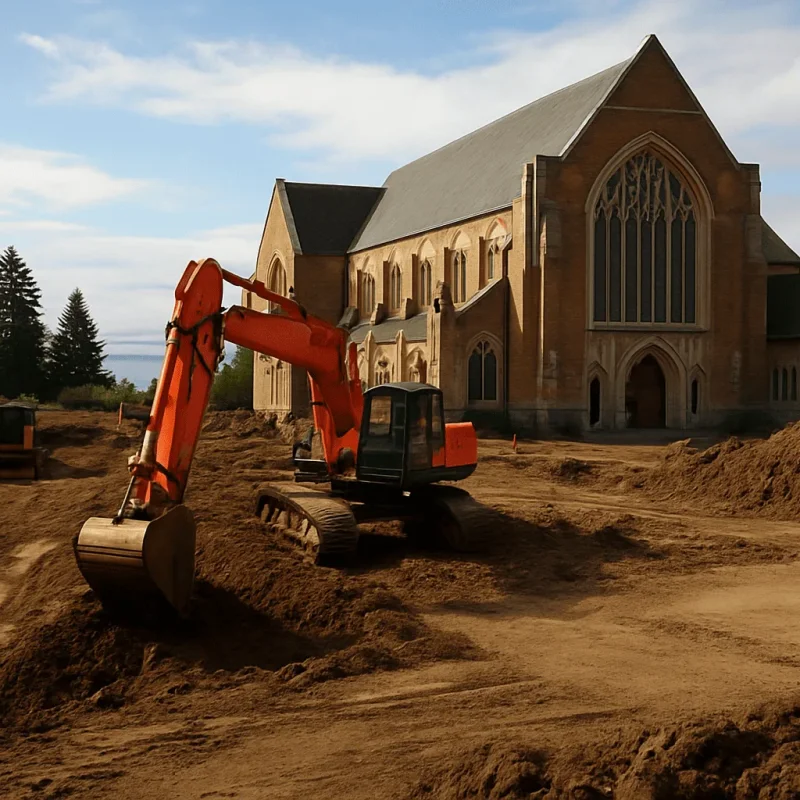
Religious site preparation in Seattle involves unique challenges that require careful planning and expert execution. The city’s diverse architecture and strict regulations contribute to the complexity of construction and restoration projects on religious properties. Understanding common issues helps in avoiding delays and additional costs associated with site preparation.
- Zoning and Land Use Restrictions: Seattle\'s zoning codes affect where religious institutions can be built or expanded, often requiring compliance with specific municipal requirements.
- Historic Preservation Requirements: Many religious sites are located in historic districts such as Capitol Hill or Ballard, necessitating restoration practices that preserve architectural integrity.
- Environmental Factors: Proximity to bodies of water like Lake Union demands attention to soil stability and drainage, impacting foundation work and landscaping plans.
- Limited Urban Space: Dense neighborhoods such as Queen Anne or Downtown Seattle create logistical challenges for equipment staging, material storage, and site access during construction.
- Community and Neighbor Concerns: Religious site preparation often requires managing noise levels and traffic disruptions affecting local residents and businesses in areas like Fremont or Beacon Hill.
Key Reasons for Repair and Restoration of Religious Sites in Seattle
Religious institutions in Seattle often undergo repair and restoration due to multiple factors. Identifying these essential reasons allows property managers and construction professionals to prioritize necessary interventions.
- Aging Structures: Many churches, synagogues, and temples in neighborhoods like Wallingford or University District have aging wooden frames or masonry requiring professional restoration.
- Weather Damage: Seattle\'s abundant rainfall can cause water infiltration, mold, or wood rot, especially in older buildings without modern waterproofing.
- Seismic Retrofitting: Given the city\'s seismic activity risk, upgrading foundations and structural elements to meet earthquake standards is vital for community safety.
- Code Compliance Updates: Changes in building codes or accessibility laws necessitate renovations to maintain usage permits and legal occupancy.
- Functional Improvements: Enhancements to accommodate growing congregations, accessibility features, or modern utilities often demand extensive remodeling and construction services.
How to Approach Religious Site Preparation Projects in Seattle
Successful preparation of religious sites in Seattle requires a detailed, methodical approach involving experienced professional craftsmen and construction experts familiar with local conditions and regulations.
- Conduct Site Assessments: Evaluate soil conditions, topography, and existing structures, taking into account Seattle\'s urban layout and nearby landmarks.
- Secure Necessary Permits: Work closely with city officials to obtain permits related to building, historic preservation, and environmental standards, particularly in areas with special zoning like Downtown or Pioneer Square.
- Develop Customized Designs: Align the architectural plans with the religious community\'s functional needs while respecting neighborhood aesthetics and cultural significance.
- Engage Skilled Labor: Hire professional craftsmen experienced in restoration, seismic retrofits, and museum-quality finishes common in Seattle\'s historic religious buildings.
- Implement Sustainable Practices: Utilize eco-friendly materials and energy-efficient systems to address Seattle\'s environmental values and reduce long-term operational costs.
Religious Site Preparation Cost Factors in Seattle
Understanding pricing factors is crucial for budget planning in the construction and restoration of religious sites in Seattle. The cost includes various components influenced by project scale, complexity, and local conditions.
- Project Scope and Size: Larger sanctuaries or multi-building complexes in neighborhoods like Ballard incur higher costs due to increased material and labor needs.
- Site Conditions: Soil stabilization near waterfront areas or hillside neighborhoods such as Magnolia can add to foundation and excavation expenses.
- Historic and Preservation Requirements: Restoring heritage elements demands specialized materials and craftsmen, increasing labor costs.
- Permitting and Compliance: Navigating Seattle\'s permit processes and meeting environmental or accessibility standards require time and administrative fees.
- Materials and Finishes: Selection of high-quality, durable materials suited for long-term use in Seattle\'s climate affects overall pricing.
The costs typically include initial design consultation, site assessment, permitting, materials, skilled labor, project management, and final restoration or construction work to ensure a complete and compliant outcome.
Prevention and Maintenance for Religious Structures in Seattle
Effective prevention and maintenance strategies extend the life of religious buildings in Seattle, guarding against the common challenges posed by the region’s climate and urban environment.
- Regular Inspections: Schedule professional assessments to detect early signs of wear, water damage, or structural issues especially after heavy rains or seismic events.
- Waterproofing and Drainage: Maintain roofing, gutters, and foundation drainage systems to prevent moisture intrusion common in Seattle\'s wet climate.
- Seismic Upgrades: Periodically review and reinforce structural elements to keep up-to-date with evolving safety codes.
- Pest Control: Implement measures against wood-damaging insects that can threaten older wooden frames found in many Seattle religious sites.
- Qualified Repairs: Use professional craftsmen for any restoration work to ensure adherence to historic preservation standards and construction quality.
Conclusion
Partnering with Pioneer Remodel ensures expert religious site preparation in Seattle through comprehensive construction, restoration, and maintenance services tailored to the city\'s unique requirements.