


Typical Challenges in Seattle Religious Interior Demolition
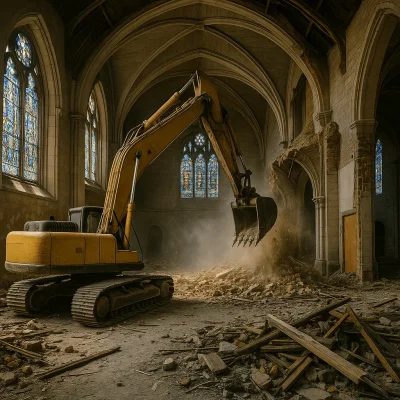
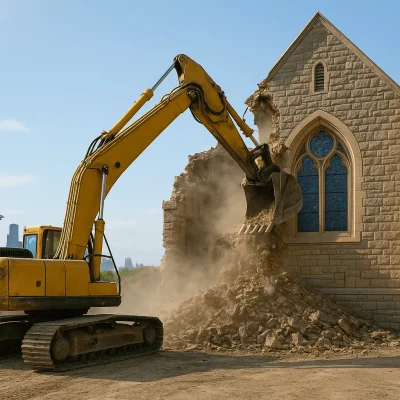
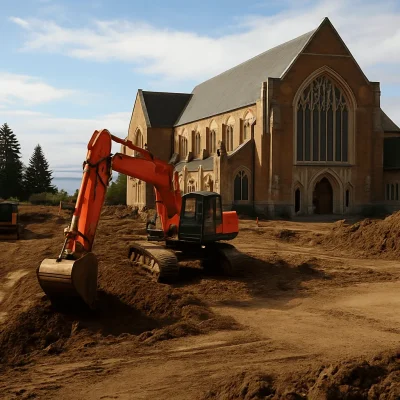
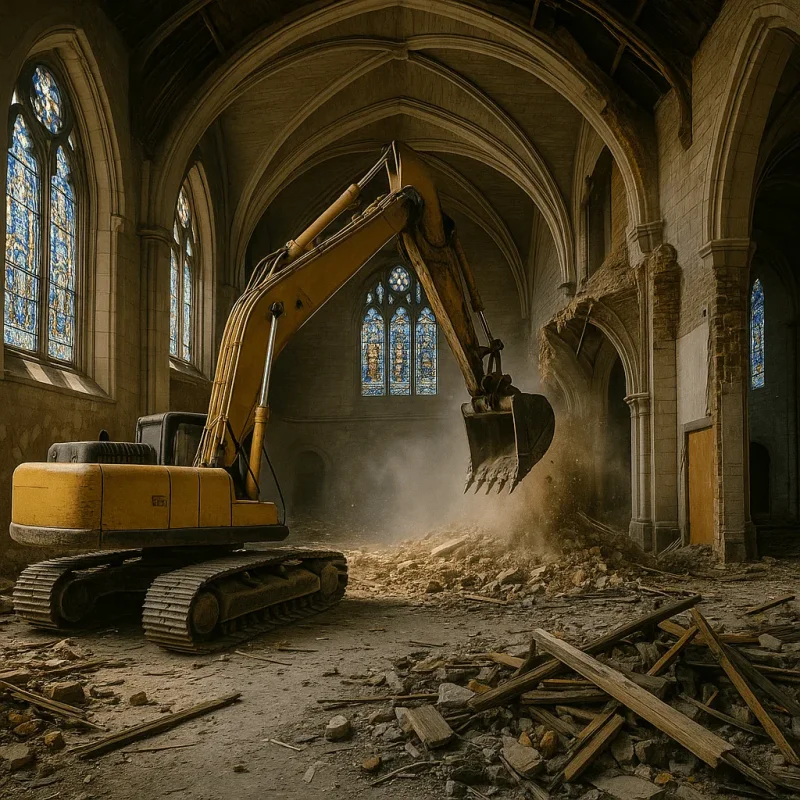
Undertaking interior demolition projects in religious buildings around Seattle requires specialized skills and understanding of unique architectural elements. These structures, often featuring intricate woodwork, stained glass, and delicate fixtures, present distinct challenges for construction and restoration professionals. Common malfunctions or issues that arise during demolition include:
- Preserving historical features while safely removing unwanted interiors.
- Managing hazardous materials such as lead paint or asbestos in older church buildings.
- Dealing with non-standard layouts and limited access in tightly spaced Seattle neighborhoods like Capitol Hill or Ballard.
- Ensuring structural integrity during selective deconstruction to support ongoing use or future remodeling.
- Complying with city permits and inspection regulations specific to religious facilities and historic landmarks.
Key Reasons for Repair and Selective Deconstruction in Religious Structures
Seattle\'s historic churches and places of worship often need interior demolition and selective deconstruction to address several issues. Understanding these reasons helps property owners engage professional craftsmen for appropriate intervention. Common repair objectives include:
- Updating outdated or damaged interiors without compromising the building\'s historic value.
- Removing sections affected by water damage or termite infestation common in the Pacific Northwest climate.
- Addressing safety concerns such as weakened floors, faulty wiring, or deteriorated plasterwork.
- Modifying interiors to accommodate new functional needs while preserving sacred architectural elements.
- Supporting adaptive reuse projects that revitalize religious spaces in Seattle\'s diverse urban environment.
Effective Methods for Selecting Interior Demolition and Restoration
Professional craftsmen from Pioneer Remodel specialize in Seattle religious interior demolition and selective deconstruction, using techniques tailored to maintain structural integrity and historical significance. Best practices include:
- Conducting thorough inspections prior to demolition to identify salvageable elements and hazardous materials.
- Implementing precise selective deconstruction to remove only targeted components without damaging surrounding areas.
- Utilizing manual tools alongside controlled mechanical equipment to preserve fragile architectural details.
- Following Seattle\'s environmental and waste disposal regulations to responsibly recycle or dispose of materials.
- Coordinating with local historical societies and permitting offices, ensuring compliance with city guidelines.
Comprehensive Overview of Remodeling Costs in Seattle Religious Interiors
The cost of interior demolition and selective deconstruction projects in Seattle varies widely depending on several factors. Understanding these drivers assists property owners in budgeting and planning. Pricing considerations include:
- Scope and scale of the demolition: full interior teardown versus selective wall or fixture removal.
- Complexity associated with fragile historic components requiring careful handling.
- Presence of hazardous materials necessitating specialized abatement services.
- Permit fees and inspection costs governed by Seattle\'s regulatory environment.
- Labor costs reflecting the expertise of professional craftsmen with experience in religious buildings.
- Materials disposal or salvage efforts aligned with sustainability practices in the region.
The overall cost typically includes initial assessments, demolition labor, cleanup, waste removal, and coordination with local authorities. Engaging established Seattle contractors like Pioneer Remodel helps achieve transparent pricing and quality results.
Essential Prevention and Maintenance Tips for Seattle Religious Facilities
Maintaining the integrity of historic and modern religious structures in Seattle demands ongoing preventive measures. These help reduce the frequency of costly repairs and extend the lifecycle of interiors. Recommended strategies include:
- Regularly inspecting wooden elements and finishes for signs of moisture damage common in Seattle\'s climate.
- Scheduling routine electrical and plumbing checks to prevent hidden failures in older buildings.
- Implementing controlled environmental conditions to protect sensitive materials like stained glass.
- Engaging professional craftsmen for minor repairs before issues escalate to require demolition.
- Keeping updated on Seattle city codes and safety regulations to remain compliant and safe.
These steps help preserve the aesthetic and functional qualities of religious interiors, ensuring spaces continue to serve communities in neighborhoods such as Fremont and Queen Anne.
Conclusion
Seattle religious interior demolition and selective deconstruction require professional expertise to handle unique challenges, maintain historic value, and comply with local regulations; trust Pioneer Remodel for expert craftsmanship and reliable service in preserving these cherished spaces.