




Common Challenges in Seattle Hotel Food & Beverage Facility Construction
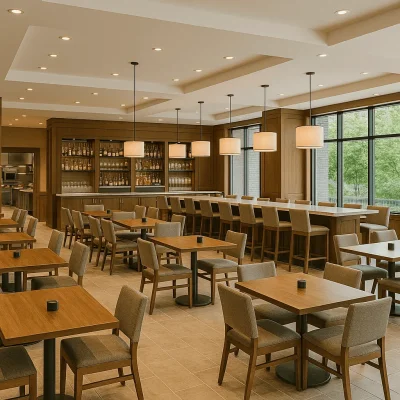
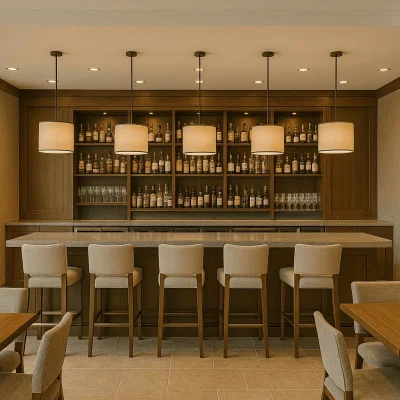
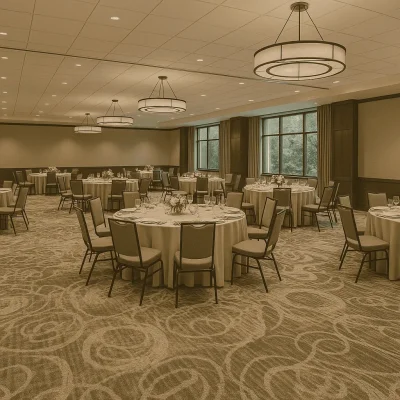
Constructing food and beverage facilities within hotels in Seattle presents unique challenges that require expert knowledge and skilled craftsmanship. The city’s diverse climate, older building stock, and stringent regulations contribute to specific issues during construction and renovation.
- Building Code Compliance: Seattle enforces rigorous health and safety codes, particularly for hospitality spaces, making adherence crucial for project success.
- Space Limitations: Many hotels in areas like Downtown Seattle or Capitol Hill have limited space, demanding creative layout designs and efficient use of available square footage.
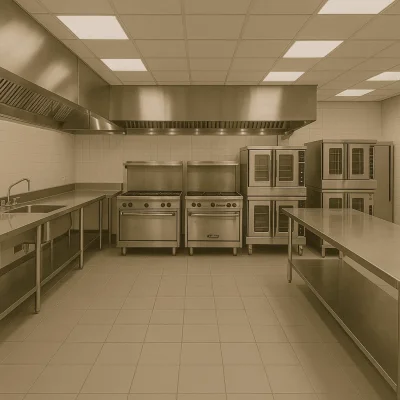
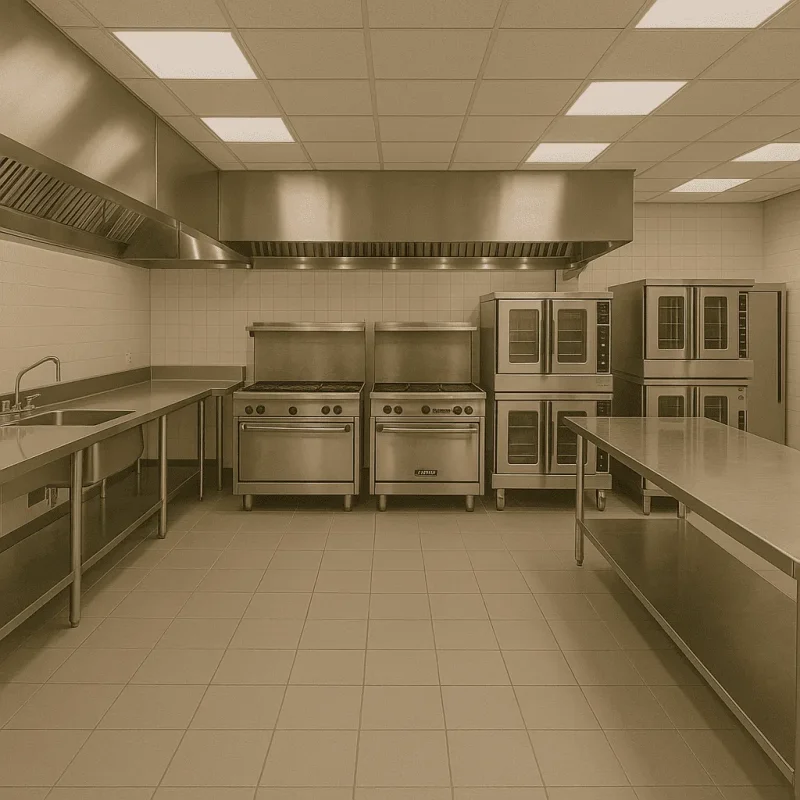
- Ventilation Requirements: Proper ventilation systems are essential due to Washington’s humid climate and the high demands of commercial kitchens.
- Historic Property Constraints: Renovations in neighborhoods with heritage buildings, such as Pioneer Square, require sensitive approaches to preserve architectural integrity.
- Coordination with Hotel Operations: Construction must minimize disruptions to hotel guests and ongoing services, necessitating meticulous planning and execution by professional craftsmen.
Primary Reasons for Repair and Restoration in Hotel F&B Facilities
Hotel food and beverage facilities in Seattle often require repair and restoration due to multiple factors that affect their performance and compliance over time.
- Wear and Tear: High foot traffic in hotel restaurants and bars leads to deterioration of floors, surfaces, and kitchen equipment.
- Outdated Infrastructure: Older buildings may have outdated plumbing and electrical systems unable to support modern food service technologies.
- Health and Safety Updates: Changing city regulations and health codes necessitate updates to maintain certification and ensure guest safety.
- Moisture and Mold Issues: Seattle’s rainy climate increases the risk of moisture damage, leading to mold growth, especially in kitchens and storage areas.
- Energy Inefficiency: Inefficient HVAC systems and lighting can increase operational costs, encouraging hotels to invest in upgrades during renovations.
Effective Methods on How to Repair and Upgrade Food & Beverage Facilities
Professional construction and restoration companies in Seattle employ proven methods to enhance hotel food and beverage areas, ensuring operational efficiency and guest satisfaction.
- Comprehensive Inspection: Begin with a detailed assessment to identify structural and equipment issues.
- Modernizing Infrastructure: Upgrade plumbing, electrical wiring, and HVAC systems to meet current standards and support advanced kitchen appliances.
- Layout Optimization: Redesign kitchen and dining areas to improve workflow, storage, and service speed while maximizing space utilization.
- Material Replacement: Use durable, moisture-resistant, and hygienic materials optimal for food service environments in Seattle’s climate.
- Permitting and Code Compliance: Obtain all necessary permits and ensure restoration work aligns with Seattle\'s health and safety requirements.
Remodelling Cost Factors for Seattle Hotel Food & Beverage Facilities
The cost of construction and remodeling food and beverage facilities in Seattle hotels depends on several factors related to scope, quality, and regulatory compliance.
- Project Scope: The scale of construction—from minor repairs to full restorations—influences labor and material expenses.
- Choice of Materials: High-quality, durable materials suitable for commercial kitchens can affect overall costs but provide long-term value.
- Complexity of Systems: Installation or upgrading of ventilation, plumbing, and electrical systems requires skilled professionals and specialized equipment.
- Design Requirements: Customized designs to improve workflow or aesthetics may increase architectural and engineering fees.
- Permitting and Inspections: Fees and time associated with local Seattle permits and health inspections contribute to project expenses.
Overall, the remodeling cost typically includes planning, materials, labor by professional craftsmen, permit acquisition, and final inspection services.
Prevention and Maintenance Tips for Sustainable Facility Management
Maintaining the quality and functionality of food and beverage facilities in Seattle hotels requires proactive prevention and routine maintenance to extend the life of the investment.
- Regular Equipment Servicing: Schedule frequent inspections and maintenance of kitchen appliances and HVAC systems to avoid unexpected breakdowns.
- Moisture Control: Implement efficient drainage and ventilation systems to manage Seattle’s wet climate and prevent mold formation.
- Routine Cleaning Protocols: Ensure staff adherence to cleaning standards to maintain hygiene and operational safety.
- Compliance Monitoring: Keep updated with Seattle\'s changing regulations and adjust facility operations accordingly.
- Professional Inspections: Engage experienced professionals like Pioneer Remodel for periodic evaluations and timely repairs.
Conclusion
Seattle hotel food and beverage facility construction and restoration demands expert craftsmanship, detailed planning, and adherence to local standards to deliver efficient, safe, and appealing spaces that enhance guest experiences.