


Common Malfunctions in Healthcare Fire Safety Systems in Seattle
Healthcare facilities in Seattle require highly reliable fire safety systems due to their critical nature and constant occupancy. Understanding common malfunctions allows facility managers and professional craftsmen to address potential hazards before they escalate. Typical issues encountered include:
- Failure of fire alarm sensors and smoke detectors caused by dust accumulation or aging components.
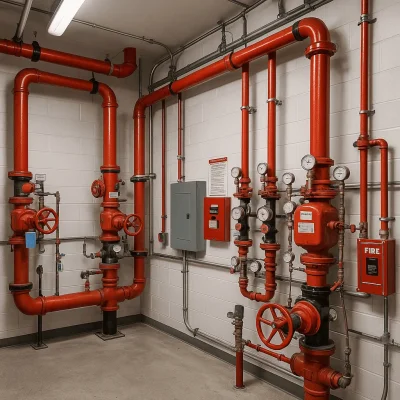
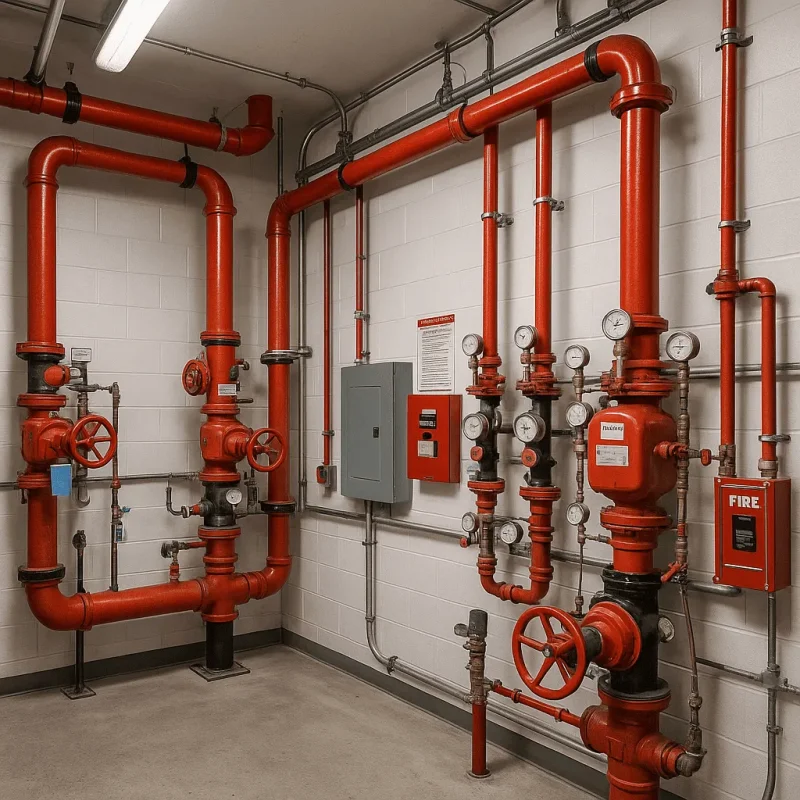
- Malfunctioning sprinkler systems due to clogged nozzles or corrosion in water pipes, exacerbated by Seattle\'s moist climate.
- Inconsistent emergency lighting and exit signage operation resulting from power outages or battery failures.
- Inadequate integration between fire alarm control panels and building automation systems.
- False alarms triggered by system sensitivity misconfiguration or environmental factors such as steam from medical equipment.
Primary Reasons for Repair of Healthcare Fire Safety Systems in Seattle
Fire safety systems in Seattle\'s healthcare facilities often require repair due to diverse causes that reflect the city\'s unique environment and aging infrastructure. Key reasons repair is necessary include:
- Wear and tear from continuous operation and exposure to the region\'s damp air, which accelerates equipment deterioration.
- Obsolete technology that no longer complies with updated local fire codes enforced by Seattle Fire Department.
- Damage from seismic activity common in the Pacific Northwest, impacting system components and wiring.
- Improper installation or substandard repairs made by non-certified professionals not familiar with healthcare requirements.
- Failure to perform routine maintenance, leading to undetected faults and system breakdowns.
How to Repair Healthcare Fire Safety Systems Effectively in Seattle
Professional repair of healthcare fire safety systems in Seattle demands specialized skills and adherence to local regulations. Effective steps for restoration include:
- Conducting comprehensive diagnostics using advanced testing equipment to identify malfunction sources without disrupting facility operations.
- Replacing defective sensors, control modules, or sprinkler components with certified products compatible with healthcare environments.
- Upgrading system software and hardware to align with Seattle\'s fire safety codes and facility-specific risk assessments.
- Collaborating with certified electricians and safety professionals to ensure proper installation and system interoperability.
- Implementing a testing phase to verify restored systems perform reliably under simulated emergency conditions.
Remodelling Cost Factors for Healthcare Fire Safety Systems in Seattle
The cost of repairing and remodelling healthcare fire safety systems in Seattle varies due to multiple factors linked to the city’s regulatory framework and facility characteristics. Understanding these elements assists stakeholders in budgeting accurately:
- System complexity: Larger hospitals with integrated safety platforms require more extensive labor and materials.
- Equipment quality: Utilizing advanced fire detection and suppression technology influences initial expenses.
- Compliance requirements: Adhering to Seattle Fire Department\'s stringent codes and permit fees affects project scope and costs.
- Labor costs: Professional craftsmen with healthcare experience in Seattle command specific rates due to specialized skills.
- Emergency interventions: Urgent repairs to maintain uninterrupted healthcare operations may increase pricing.
- Accessibility: Urban hospital settings in neighborhoods like Capitol Hill or First Hill sometimes lead to logistical challenges during installation or repairs.
The remodelling investment typically includes system inspection, component replacement, certification testing, and system programming. By leveraging experienced companies such as Pioneer Remodel specializing in healthcare fire safety, clients benefit from tailored solutions optimizing safety and compliance.
Prevention and Maintenance Tips for Healthcare Fire Safety Systems in Seattle
Ongoing maintenance and preventive strategies are essential to ensure healthcare fire safety systems operate flawlessly. Recommendations suitable for Seattle\'s climate and healthcare contexts include:
- Scheduling routine system inspections at intervals compliant with city and state fire codes.
- Cleaning sensors and detectors regularly to prevent false alarms caused by dust and moisture.
- Monitoring sprinkler system conditions to detect corrosion or blockages early.
- Testing emergency lighting and power backups quarterly to ensure reliability during outages.
- Training facility staff and professional craftsmen to recognize early warning signs of system failure.
- Documenting maintenance activities to comply with regulatory audits and support insurance requirements.
Conclusion
Maintaining and restoring healthcare fire safety systems in Seattle demands expert craftsmanship, awareness of local standards, and a proactive approach to protect patients and staff effectively.