


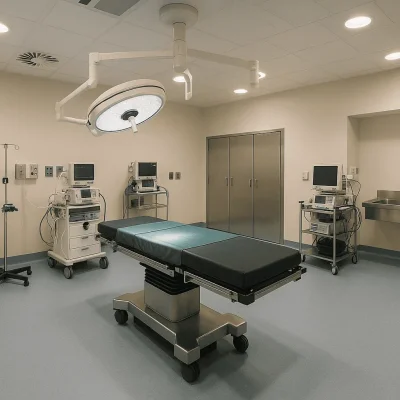
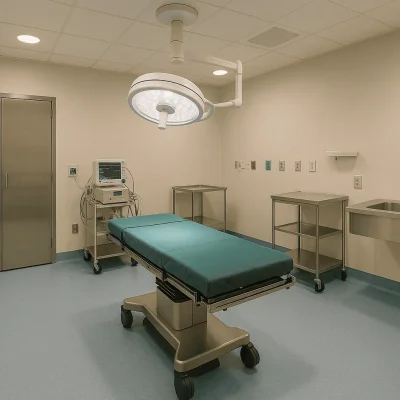
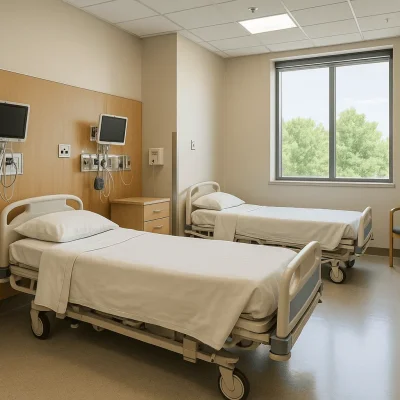
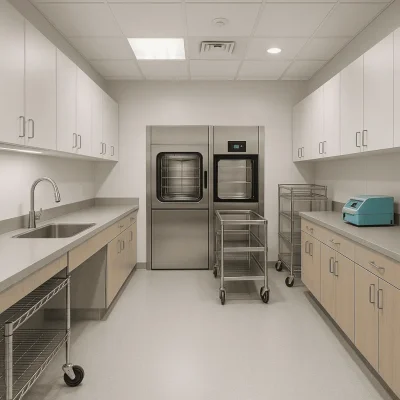


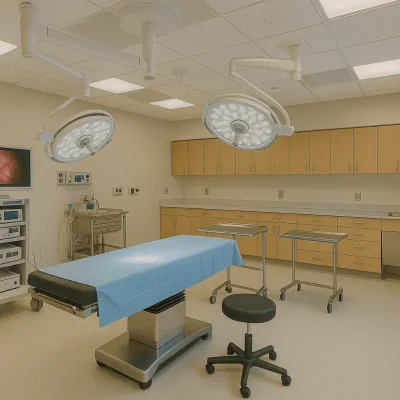
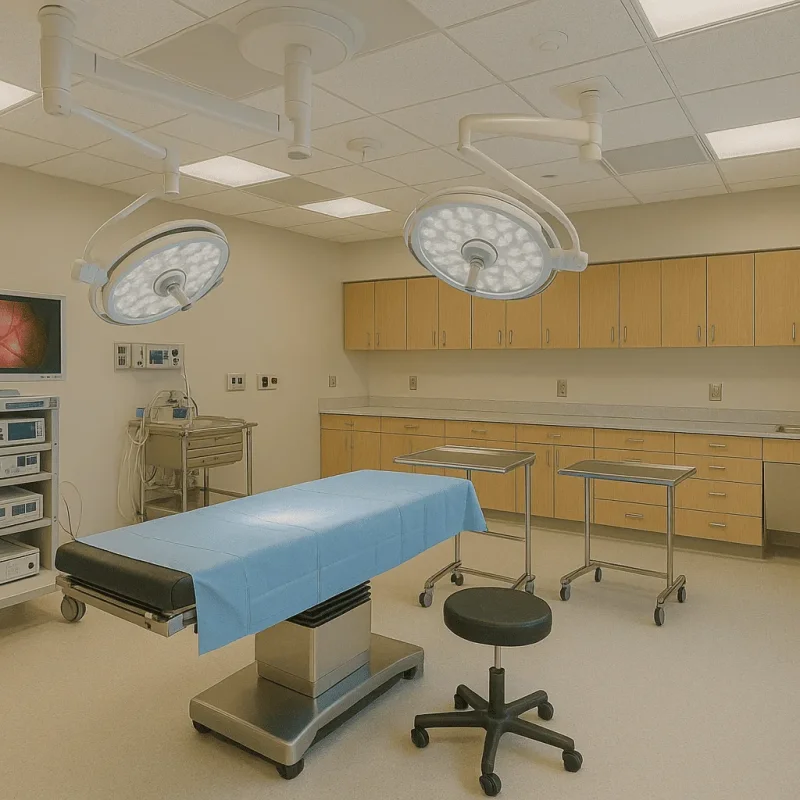
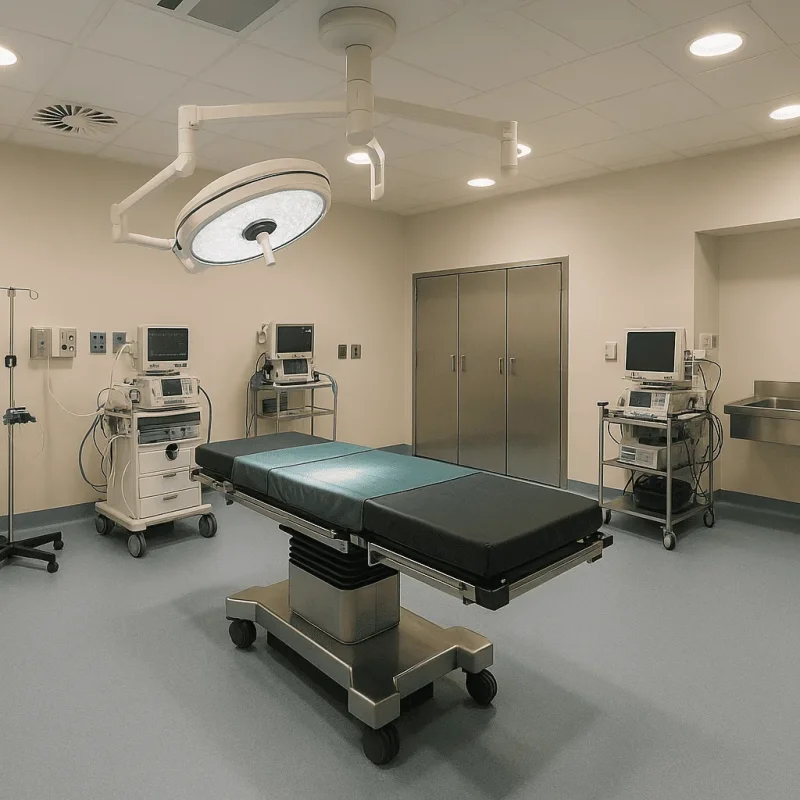
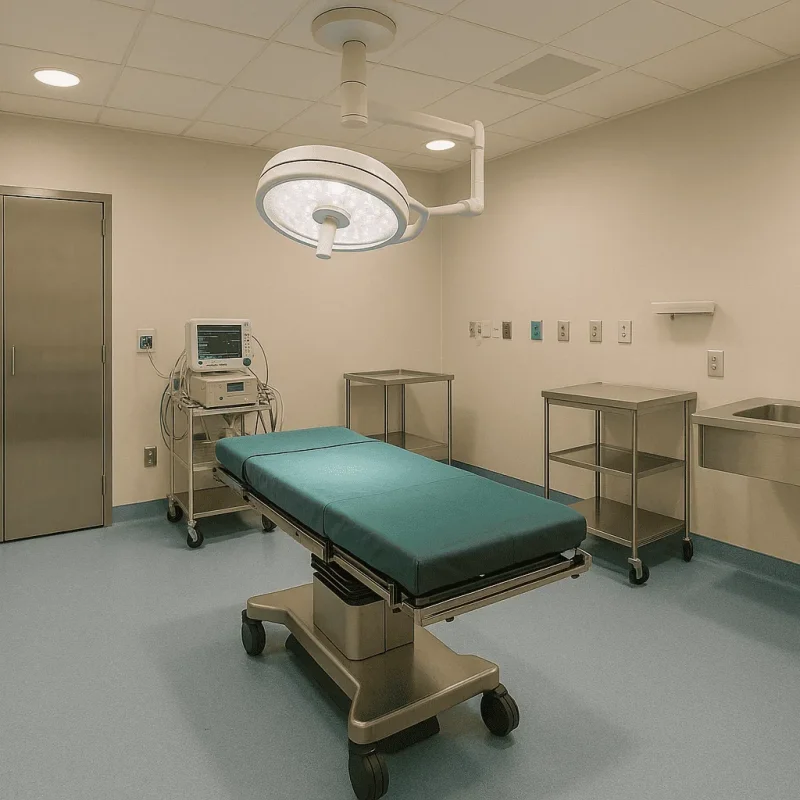
Common Challenges in Surgical & Treatment Facility Construction in Seattle
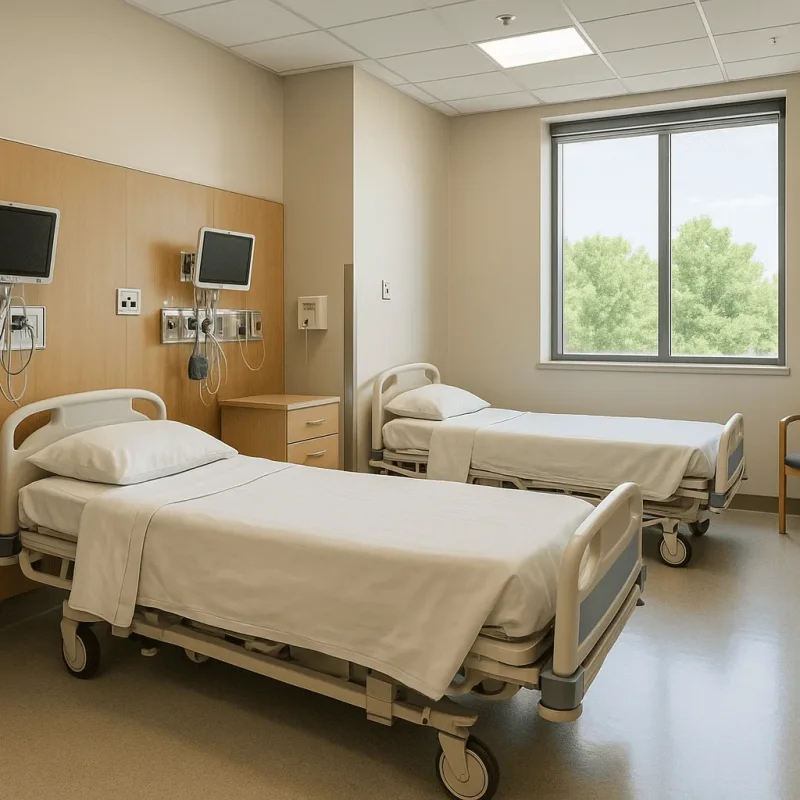
Constructing surgical and treatment facilities in Seattle demands addressing several unique challenges. The city\'s diverse climate, strict building codes, and dense urban environment can impact project timelines and approaches. Recognizing these common challenges helps in planning and executing successful construction and restoration projects.
- Strict Compliance Requirements: Healthcare construction in Seattle must adhere to rigorous state and federal regulations, including infection control standards and ADA compliance.
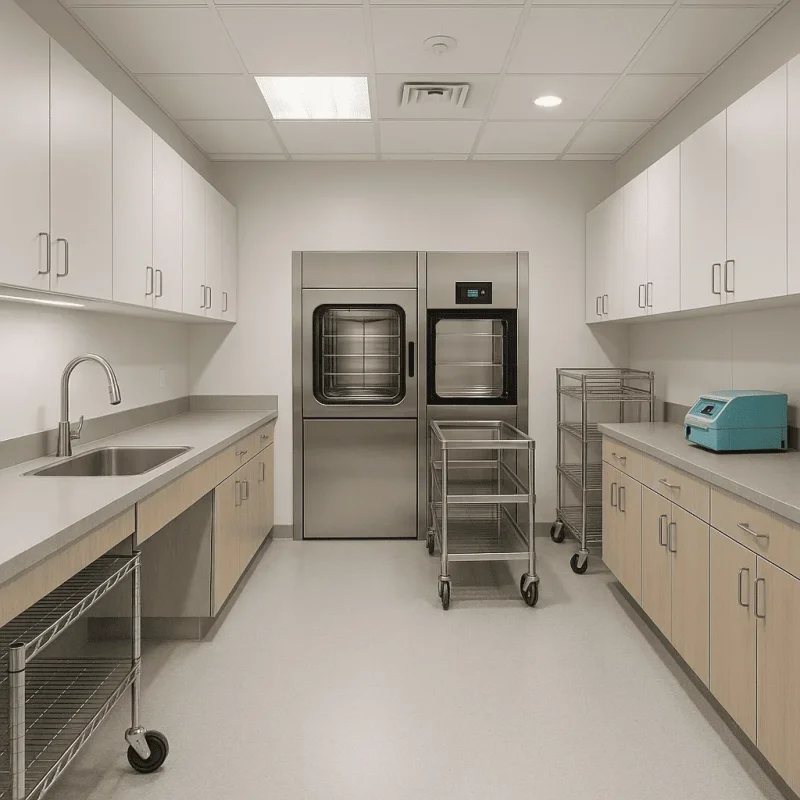
- Complex Mechanical Systems: Advanced HVAC, sterilization, and medical gas systems require expert design and precise installation by professional craftsmen.
- Limited Urban Space: Many surgical facilities in Seattle are located in neighborhoods with constrained space, necessitating creative layout and restoration solutions.
- Integration with Existing Structures: Renovating older hospital buildings demands careful evaluation to align with current construction codes while minimizing disruption.
- Environmental Considerations: Seattle\'s green building initiatives encourage sustainable materials and energy-efficient construction methods, affecting design choices.
Key Reasons for Repair and Restoration in Seattle Medical Facilities
Healthcare facilities in Seattle require timely repair and restoration due to various factors impacting patient safety and operational efficiency. Identifying these reasons supports proactive maintenance and reduces costly downtime.
- Wear and Tear of Critical Systems: Continuous use of HVAC, plumbing, and electrical systems leads to inevitable degradation requiring professional restoration.
- Compliance Updates: Evolving healthcare regulations often prompt facility upgrades and repairs to meet new legal standards.
- Water Damage and Mold Growth: Seattle’s wet climate increases the risk of moisture infiltration affecting sterile environments and structural components.
- Technology Integration: Modernization of treatment rooms demands remodeling of infrastructure to accommodate cutting-edge medical equipment.
- Facility Expansion: Growing patient needs in Seattle neighborhoods drive remodeling projects to enhance capacity and functionality.
How to Effectively Repair and Remodel Surgical Facilities in Seattle
Successful surgical and treatment facility repair and remodeling in Seattle require a combination of professional expertise, strict adherence to regulations, and efficient project management. Implementing a strategic approach ensures safety and operational continuity.
- Engage Licensed Professional Craftsmen: Partner with experienced construction teams knowledgeable in healthcare facility requirements.
- Detailed Project Planning: Incorporate infection control risk assessments and scheduling to minimize disruption to medical services during restoration.
- Collaborate with Regulatory Authorities: Secure necessary permits and approvals promptly to comply with city and state ordinances.
- Utilize Advanced Materials and Techniques: Employ durable, sustainable materials suited to Seattle’s climate and sustainable building goals.
- Test and Validate Systems: Conduct thorough commissioning of mechanical, electrical, and medical gas systems post-construction for safety assurance.
Understanding Remodelling Cost Factors for Seattle Surgical Facilities
The cost of surgical and treatment facility remodelling in Seattle varies depending on multiple factors. Understanding these elements helps facility managers budget effectively while ensuring high-quality outcomes.
- Scope and Complexity: Extensive upgrades to surgical suites or full-scale restoration projects will naturally incur higher costs than minor repairs.
- Compliance and Code Requirements: Incorporating new healthcare regulations and obtaining permits add to the overall expenses.
- Material and Labor Costs: The use of specialized medical-grade materials and skilled craftsmen influences pricing in Seattle’s competitive market.
- Design Customization: Tailored layouts and integration of advanced medical technology may increase cost but improve long-term facility functionality.
- Project Timeline: Expedited schedules or work requiring off-hours labor can affect the final budget.
Typically, the remodeling price includes project management, design consultations, construction labor, materials, permit acquisition, and system commissioning. Investing in professional construction services ensures the longevity and safety of health facilities in Seattle.
Prevention and Maintenance Tips for Surgical & Treatment Facilities in Seattle
Regular prevention and maintenance help surgical and treatment facilities in Seattle maintain optimal operation and avoid costly repairs. Proactive strategies extend the life of critical systems and ensure regulatory compliance.
- Implement Scheduled Inspections: Conduct routine assessments of HVAC, plumbing, and electrical systems to detect early signs of wear or malfunction.
- Maintain Sterile Environments: Follow CDC-recommended cleaning protocols strictly to prevent contamination in surgical areas.
- Update Facility Infrastructure: Plan periodic upgrades aligned with the latest healthcare standards and technological advancements.
- Train Staff on Equipment Use: Ensure operational personnel understand maintenance requirements to avoid accidental damages.
- Engage Professional Craftsmanship for Repairs: Utilize experienced teams such as Pioneer Remodel for any restoration work to guarantee compliance with Seattle’s codes and quality standards.
Conclusion
Partnering with professional craftsmen for surgical and treatment facility construction and restoration in Seattle ensures compliance, safety, and enhanced patient care environments, supporting a healthier community.