


Common Challenges in Train Station Construction in Seattle
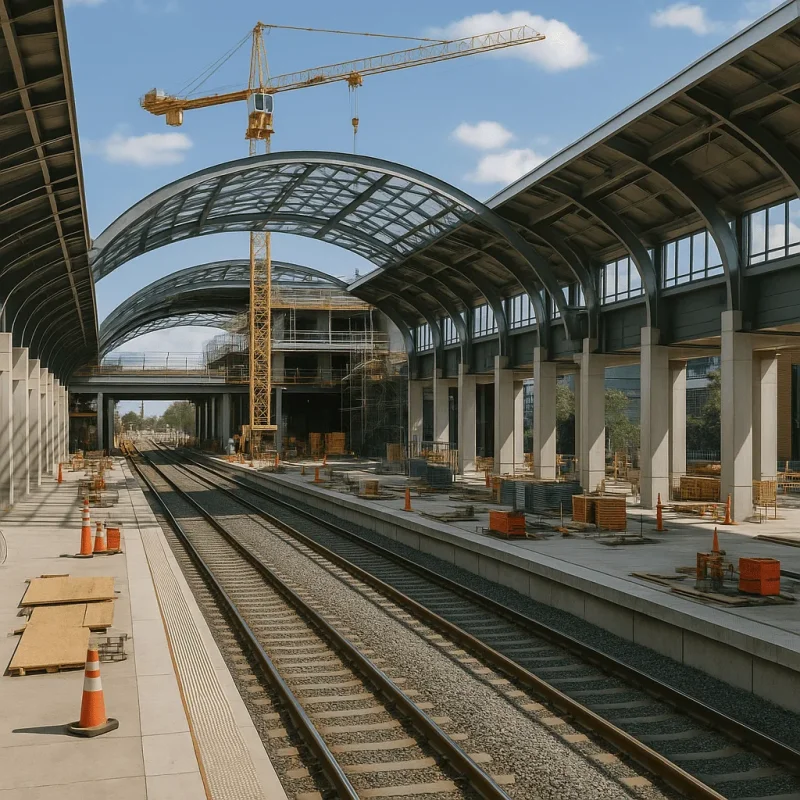
Constructing train stations in Seattle involves unique challenges that require the expertise of professional craftsmen and construction specialists familiar with the region. Common issues include:
- Site Constraints: Limited urban space, especially near downtown and neighborhoods such as Capitol Hill and Pioneer Square, mandates efficient design and construction methods.
- Environmental Considerations: Seattle\'s rainy climate demands materials and techniques that ensure durability and weather resistance for station structures.
- Regulatory Compliance: Navigating local zoning laws, building codes, and obtaining permits from Seattle Department of Construction and Inspections is essential for smooth project execution.
- Integration with Existing Infrastructure: Coordination with existing transit lines and utilities requires precise planning and restoration capabilities to minimize disruptions.
- Accessibility and Safety: Meeting ADA standards and local safety regulations requires attention to detail in design and construction phases.
Reasons for Repair and Restoration in Seattle Train Stations
Over time, train stations in Seattle demand repairs and restoration to maintain operational efficiency and safety standards. The primary reasons include:
- Wear and Tear from High Traffic: Heavy passenger flows, especially near major hubs like King Street Station, cause structural and surface degradation.
- Weather-Related Damage: Seattle’s frequent rain and moisture lead to water infiltration, corrosion, and material deterioration.
- Obsolete Infrastructure: Older stations may require upgrades to accommodate modern technology and improve energy efficiency.
- Damage from Seismic Activity: Seattle’s location in a seismic zone requires retrofitting to withstand earthquakes.
- Compliance Updates: Evolving safety codes and accessibility standards necessitate ongoing repairs and modifications.
How to Approach Train Station Construction and Repair in Seattle
The construction and repair of train stations in Seattle require a structured approach involving local professionals experienced in urban projects. Key steps include:
- Initial Assessment: Conduct detailed site analysis and structural evaluations to understand conditions and constraints.
- Design and Planning: Develop plans that balance functional requirements with aesthetic appeal, integrating necessary permits and community stakeholder input.
- Material Selection: Choose durable, weather-resistant materials ideal for Seattle\'s climate and traffic demands.
- Engaging Professional Craftsmen: Employ skilled tradespeople specializing in urban construction, steelwork, concrete, and restoration techniques.
- Project Management: Implement timeline tracking, safety supervision, and quality control to ensure timely, cost-effective completion.
- Post-Construction Inspection: Verify compliance with all local codes and standards, readying the station for public use.
Cost Factors in Train Station Construction and Repair in Seattle
Understanding the financial aspects of train station projects in Seattle is vital for budgeting and planning. Important cost considerations include:
- Project Scope and Size: Larger stations or extensive renovations increase material and labor expenses.
- Location and Site Conditions: Downtown and waterfront sites may incur higher costs due to space limitations and complex logistics.
- Material Quality: Use of premium, weather-resistant materials impacts overall cost but improves longevity.
- Regulatory and Permit Fees: Compliance with Seattle\'s building codes, environmental regulations, and permit procurement involves administrative costs.
- Labor Costs: Employing experienced professional craftsmen familiar with Seattle\'s construction standards influences pricing.
- Technology and Systems Integration: Installation of modern ticketing, safety, and communication systems adds to the investment.
The cost of work typically includes design, materials, labor, permit acquisition, project management, and final inspections, ensuring comprehensive service from start to finish.
Prevention and Maintenance Strategies for Seattle Train Stations
Maintaining the integrity and functionality of train stations in Seattle involves proactive strategies tailored to the local environment and usage patterns. Effective measures include:
- Regular Structural Inspections: Scheduling periodic checks to identify early signs of wear or damage.
- Waterproofing and Drainage Solutions: Incorporating advanced moisture barriers and effective drainage systems to combat Seattle\'s rainy conditions.
- Routine Cleaning and Upkeep: Maintaining surfaces to prevent corrosion and deterioration, especially in high-traffic areas.
- Seismic Retrofitting Updates: Ensuring structures remain compliant with earthquake safety standards.
- Timely Repairs: Addressing minor defects promptly to prevent escalation and costly restorations.
- Engaging Expert Maintenance Teams: Working with experienced professionals like Pioneer Remodel ensures high-quality preservation services.
Conclusion
Partnering with knowledgeable local construction experts like Pioneer Remodel in Seattle guarantees efficient, compliant, and durable train station construction and repair solutions.