


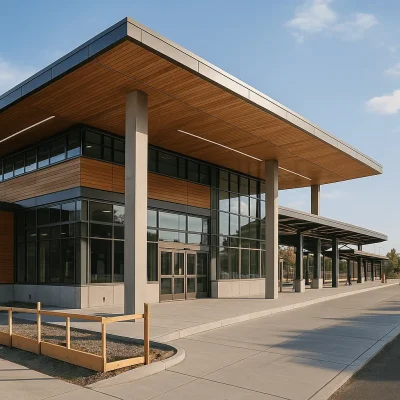
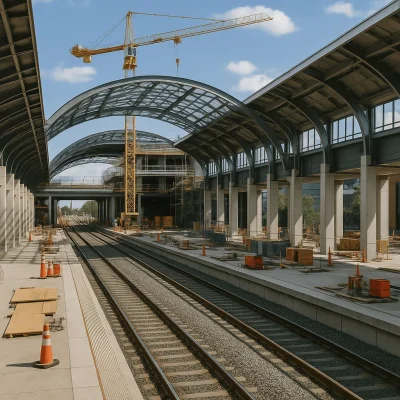
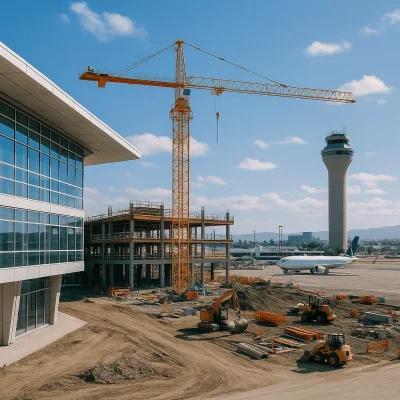
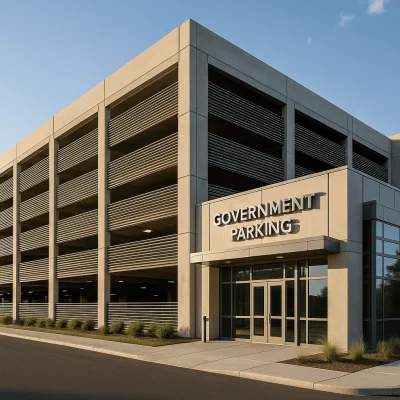


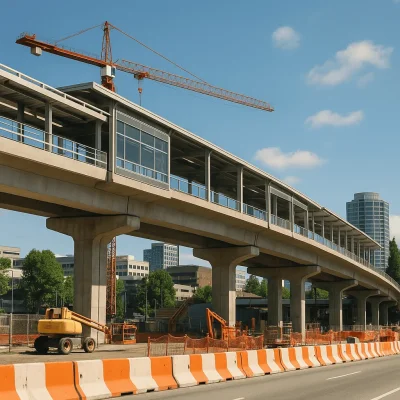
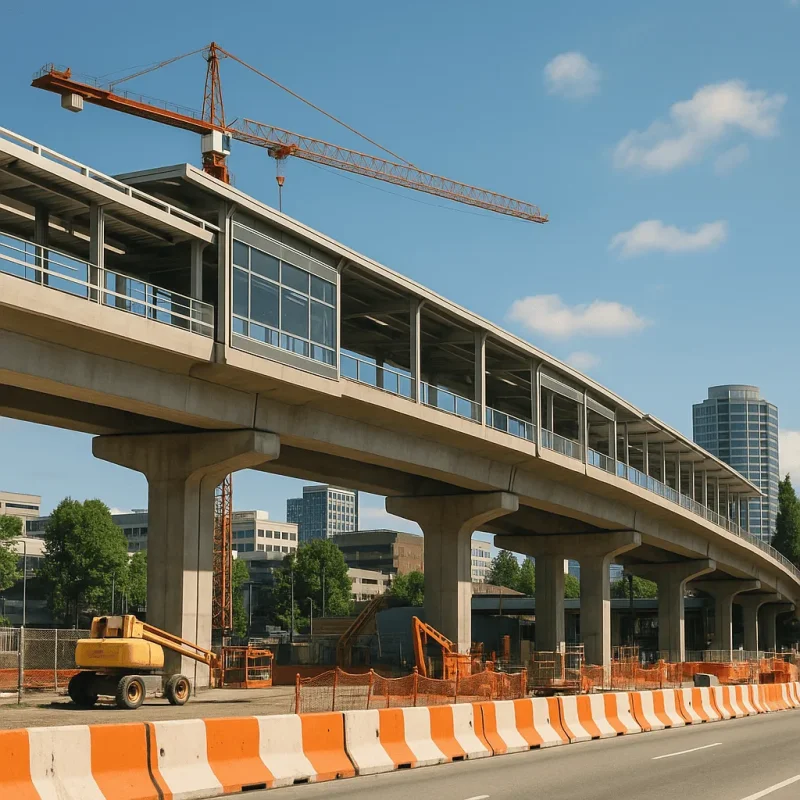
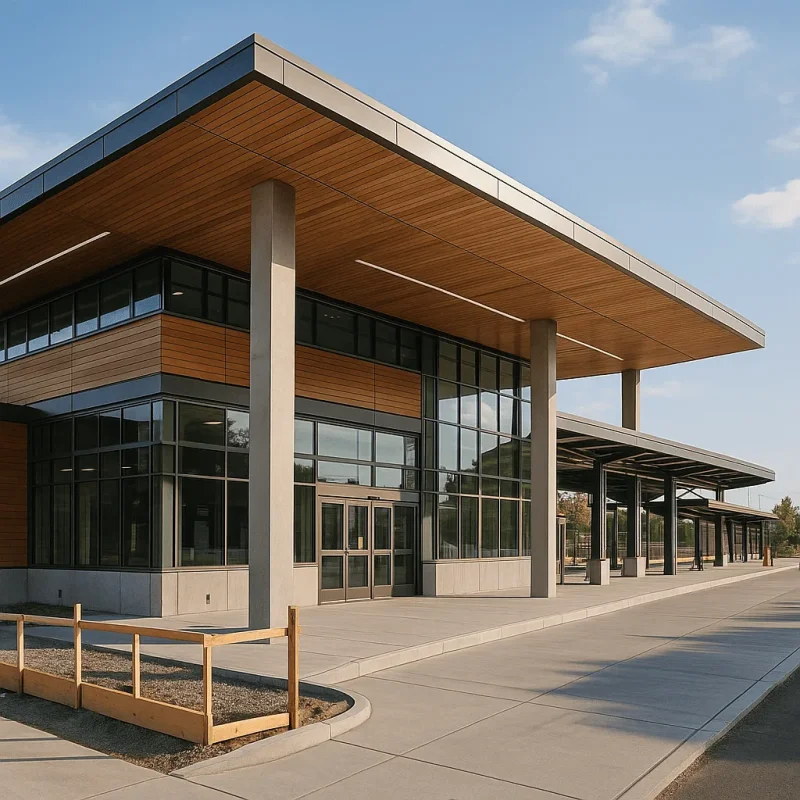
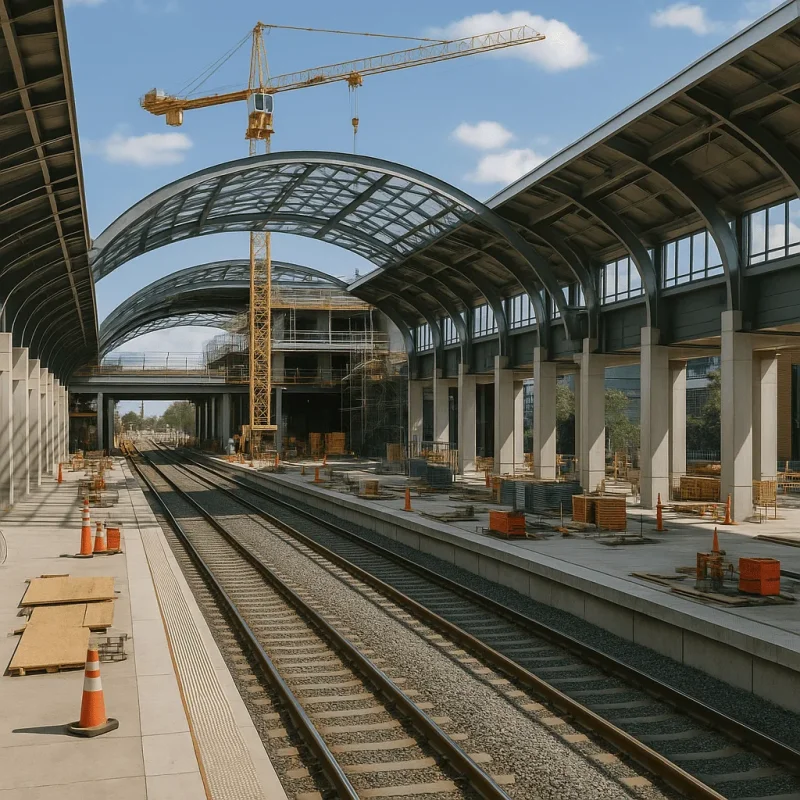
Typical Challenges in Transportation & Civic Infrastructure Construction in Seattle
Seattle\'s unique landscape and urban environment present several common challenges for transportation and civic infrastructure construction projects. Local contractors frequently encounter these malfunctions which can delay schedules and increase costs if not managed properly.
- Soil and Geotechnical Issues: Seattle’s varied topography, including hills and proximity to water bodies like Puget Sound, often results in unstable soils and the need for specialized foundation solutions.
- Aging Infrastructure: Many bridges, roads, and public facilities date back decades, requiring careful restoration and compliance with modern safety standards.
- Weather Impact: Frequent rain and seasonal weather fluctuations affect site conditions, complicating excavation, concrete curing, and material storage.
- Urban Congestion: Dense neighborhoods such as Capitol Hill and Pioneer Square mean limited space for staging construction equipment and high sensitivity to traffic disruptions.
- Regulatory Compliance: Strict permit requirements from the City of Seattle and environmental regulations demand meticulous planning and documentation.
Primary Reasons for Repair and Upgrades in Seattle\'s Civic Infrastructure
Understanding why repairs are needed can guide decision-making and help prioritize resources for transportation and civic infrastructure projects around Seattle.
- Wear and Tear: Constant traffic loads on highways and transit systems necessitate regular maintenance to prevent structural failure.
- Seismic Resilience: Upgrades are essential to meet seismic codes due to Seattle\'s location in an active earthquake zone.
- Technological Modernization: Incorporating smart traffic systems, electric vehicle charging stations, and sustainable materials into existing infrastructure.
- Capacity Expansion: Population growth in the metropolitan area demands wider roadways, additional bike lanes, and improved public transit stops.
- Environmental Mitigation: Addressing stormwater management and green infrastructure to reduce environmental impact.
How to Effectively Manage Infrastructure Construction and Repairs in Seattle
Professional construction and repair require a systematic approach tailored to Seattle\'s environment and regulatory landscape. Following these important steps can ensure smooth project execution.
- Pre-construction Assessment: Conduct thorough site surveys, geotechnical analysis, and engineering evaluations.
- Permitting and Compliance: Secure all local construction permits, environmental clearances, and coordinate with Seattle Department of Transportation.
- Qualified Professional Craftsmen: Engage skilled workers experienced in Seattle\'s civic projects to ensure quality and compliance with codes.
- Advanced Material Selection: Use durable, weather-resistant, and eco-friendly materials that suit the Pacific Northwest climate.
- Community Coordination: Communicate with local residents and businesses to minimize disruption and manage traffic control effectively.
- Continuous Quality Control: Implement onsite inspections and progress monitoring throughout construction phases.
Cost Factors and Budgeting for Seattle\'s Transportation & Civic Infrastructure Projects
Estimating the investment required for infrastructure construction and repair in Seattle involves multiple considerations beyond mere material and labor costs.
- Project Scope and Complexity: Larger projects with extensive excavation, bridge work, or multi-modal components demand higher budgets.
- Site Conditions: Challenging soil or proximity to water can require specialized foundation work or environmental remediation.
- Permitting and Regulatory Fees: Navigating Seattle\'s permitting process may include fees and costs associated with impact mitigation.
- Labor Skill Requirements: Hiring professional craftsmen familiar with civic construction ensures durability but can affect labor expenses.
- Material Quality and Availability: Utilizing sustainable materials or innovative technologies can influence the overall budget.
- Contingency and Maintenance Planning: Allocations for unexpected repairs, traffic management, and site safety measures are essential to avoid overruns.
Typically, the cost of transportation and civic infrastructure construction includes preliminary surveys, design and engineering, materials, labor, equipment, permits, and post-construction inspections.
Preventative Measures and Maintenance for Long-Term Infrastructure Performance
Seattle\'s climate and growing urban demands necessitate ongoing preventative care to extend the functional life of civic infrastructure.
- Regular Inspections: Scheduled evaluations to detect cracks, corrosion, or drainage problems early.
- Timely Repairs: Prompt restoration of damaged pavement, guardrails, and sidewalks prevents further degradation.
- Drainage Management: Ensuring proper stormwater flow to protect foundations and roadbeds from water damage.
- Seismic Retrofits: Upgrading structures periodically to comply with evolving earthquake resilience standards.
- Cleaning and Surface Treatments: Removal of debris, sealing surfaces, and applying protective coatings to combat weathering.
Pioneer Remodel provides expertise in maintaining infrastructure that meets Seattle\'s high standards for safety, functionality, and sustainability.
Summary on Transportation & Civic Infrastructure Construction in Seattle
Efficient transportation and civic infrastructure construction in Seattle require attention to geotechnical challenges, regulatory compliance, and community impact; working with professional craftsmen like Pioneer Remodel ensures durable, cost-effective, and sustainable urban development.