


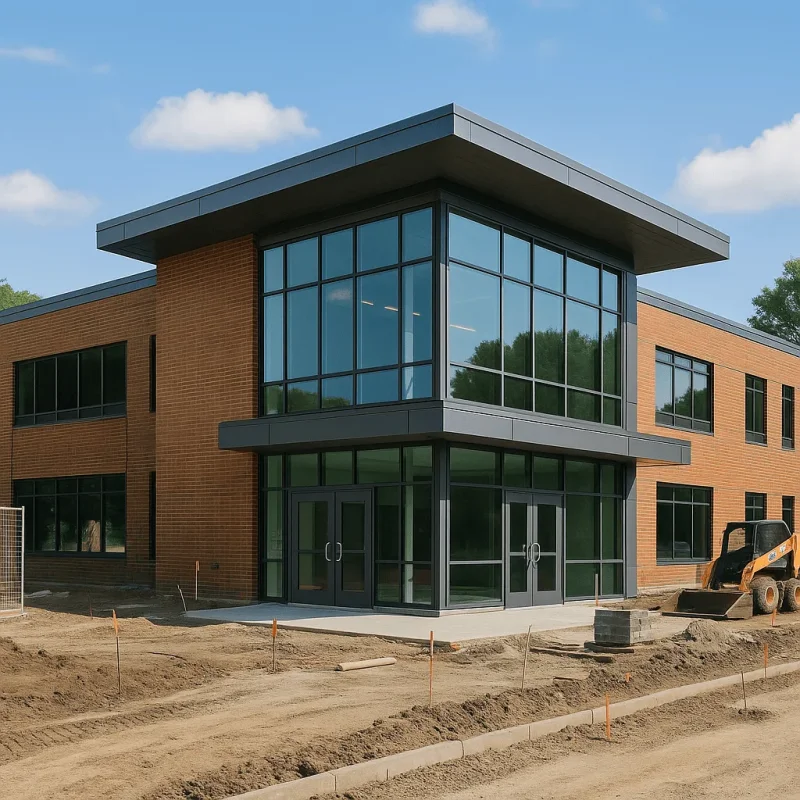
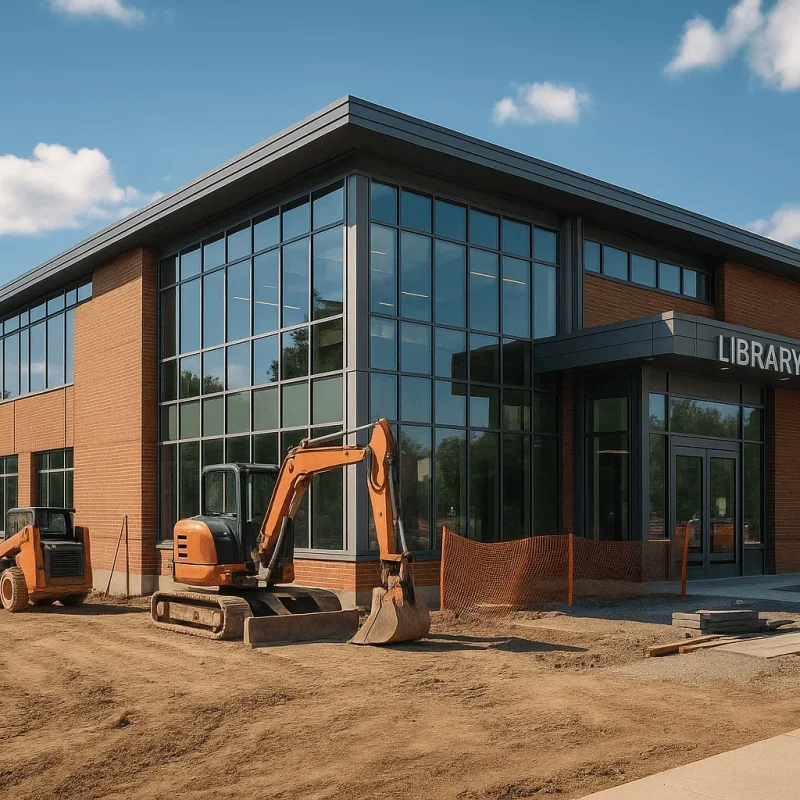
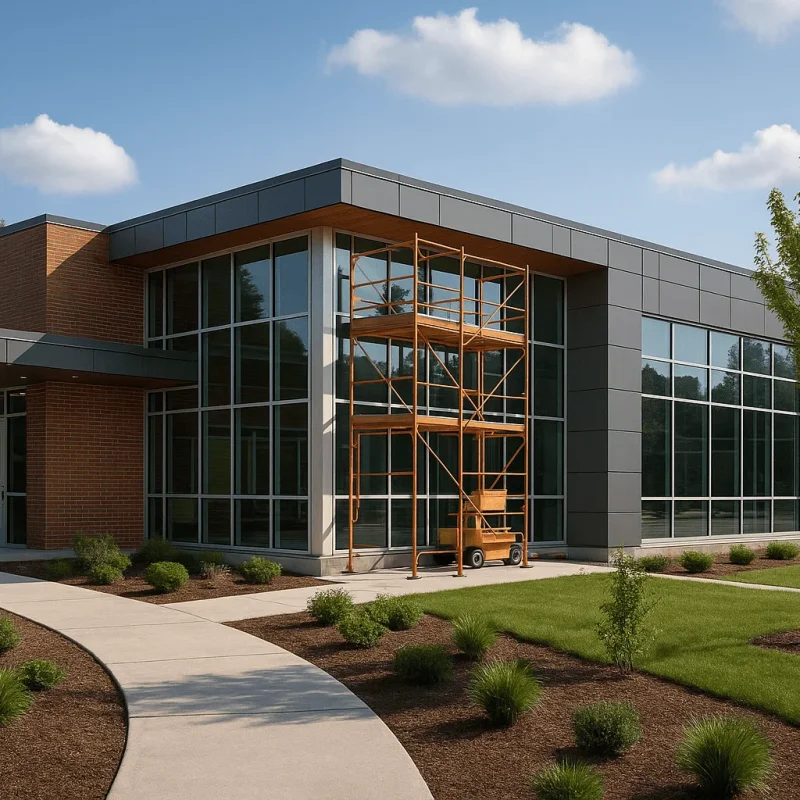
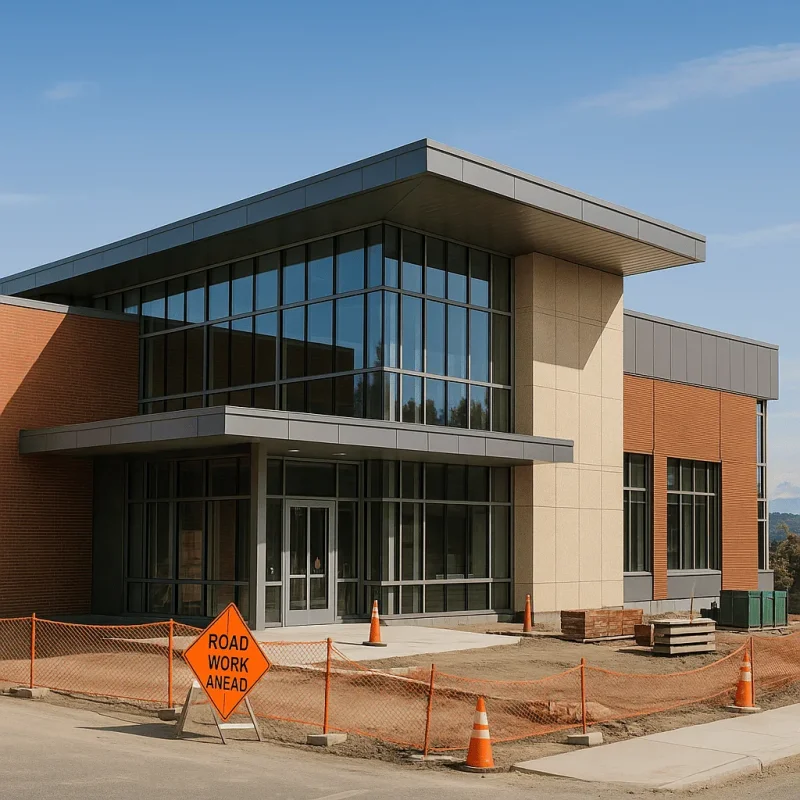
Community Center Construction in Tacoma, WA
Community centers play a vital role in enhancing local neighborhoods, providing spaces for recreation, education, and social interaction. In Tacoma, Washington, the demand for modern and functional community centers continues to grow. Whether you are planning to build a new facility or remodel an existing one, understanding the construction process, local regulations, and unique challenges is key to a successful project.
The Construction Process
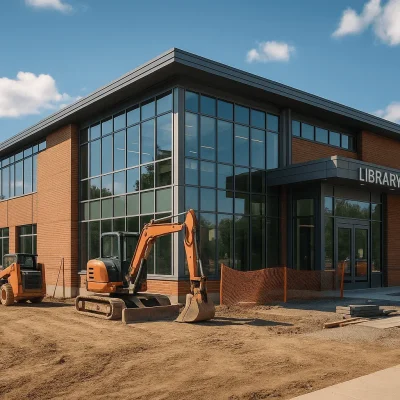
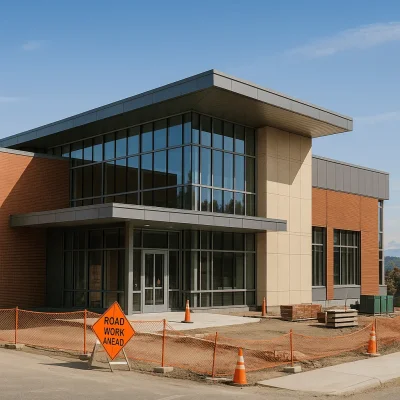
The journey of constructing a community center in Tacoma begins with comprehensive planning. Initial steps often include identifying the needs of the community, selecting an appropriate location, and obtaining the necessary permits from local authorities. In Tacoma, zoning laws and regulations must be adhered to, particularly in neighborhoods like Hilltop and South Tacoma, where older buildings may present specific challenges. Collaborating with experienced architects and contractors who are familiar with Tacoma's building codes is essential for a smooth construction process.
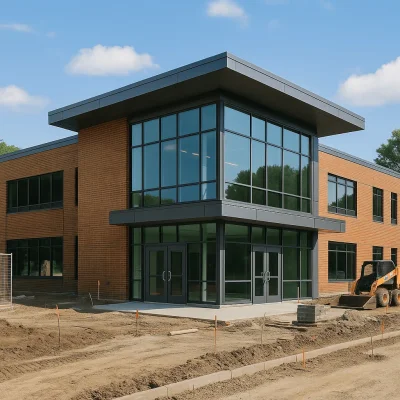
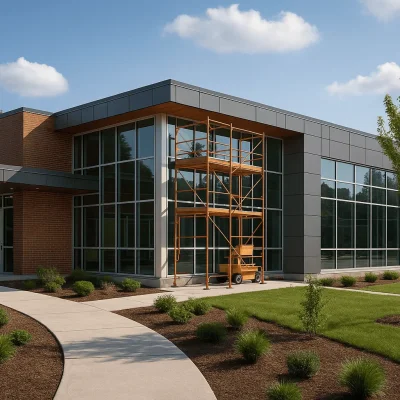
After securing permits, the next phase involves design and construction. Effective designs for community centers typically incorporate flexible spaces that can adapt to various purposes, such as gatherings, workshops, or recreational activities. Considerations also include accessibility features, energy-efficient systems, and sustainable building materials to meet modern standards while maintaining the character of the neighborhood.
Benefits of a Well-Designed Community Center
Investing in a community center construction project brings numerous benefits to local residents and the broader Tacoma community. Here are some key advantages:
- Enhanced Community Engagement: A well-located community center can foster a sense of belonging and encourage active community participation.
- Increased Access to Services: Community centers often provide essential services like education and health resources, benefiting residents of all ages.
- Promoting Wellness and Recreation: Including gymnasiums, sports fields, and open spaces encourages physical activity and promotes a healthier lifestyle.
- Supporting Local Economies: A vibrant community center can attract events and activities that draw visitors, benefiting local businesses.
Common Challenges and Considerations
While constructing a community center in Tacoma offers many benefits, several challenges must be navigated. One common issue is integrating the new facility into neighborhoods with existing architectural styles. Tacoma features a mixture of historical and modern buildings, so it's crucial to align the design of the community center with its surroundings. Additionally, navigating the permitting process can be time-consuming, and securing funding for construction may require ongoing community involvement and fundraising efforts.
Construction timelines can also vary, largely dependent on the project scale, design complexities, and availability of materials. Typically, the process can range from several months to a couple of years. It's important to set realistic expectations, keep lines of communication open among stakeholders, and frequently update the community on progress.
Conclusion
The construction of a community center in Tacoma, WA, is an ambitious but rewarding undertaking that can significantly enhance community life. By engaging with experienced professionals who understand the local context, navigating the challenges of zoning and building regulations, and fostering community input, you can create a vibrant space that meets the needs of Tacoma’s residents. Whether situated in the bustling downtown district or a quieter neighborhood, a well-planned community center will provide countless opportunities for connection and growth for years to come.