


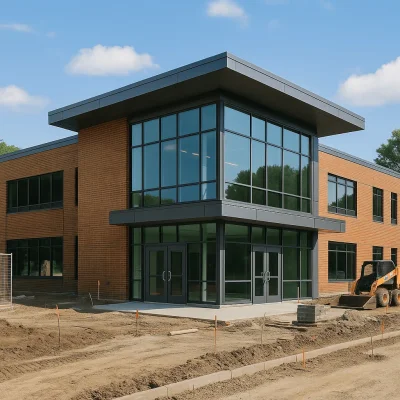
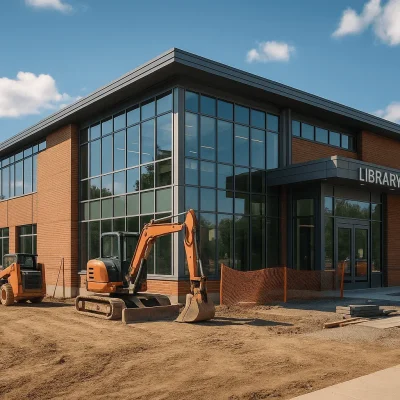
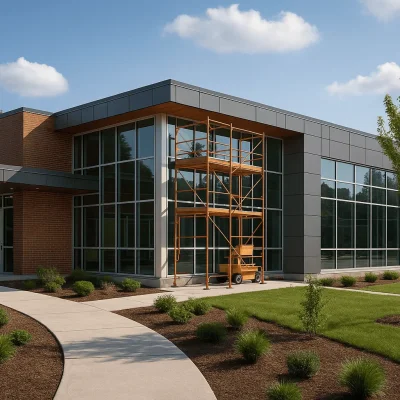
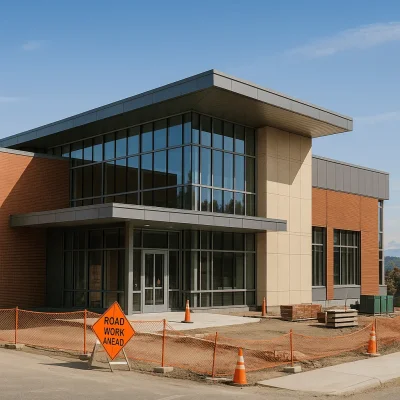
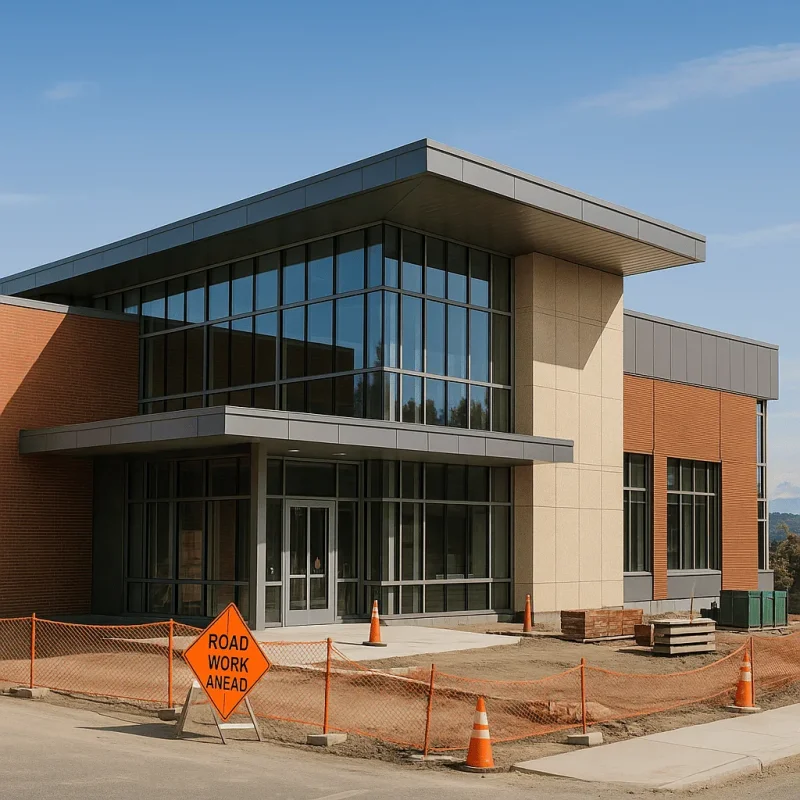
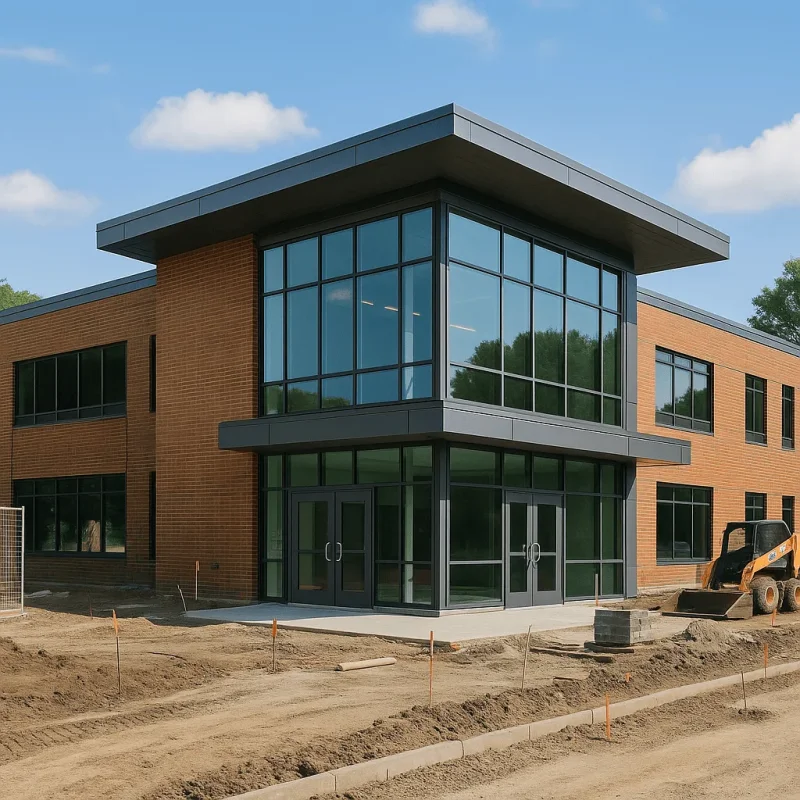
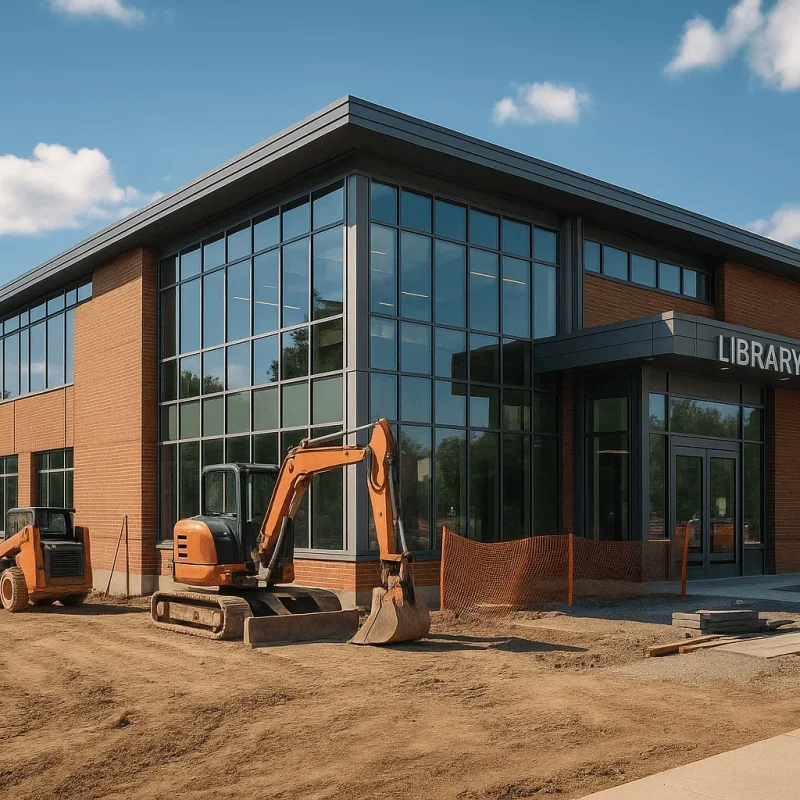
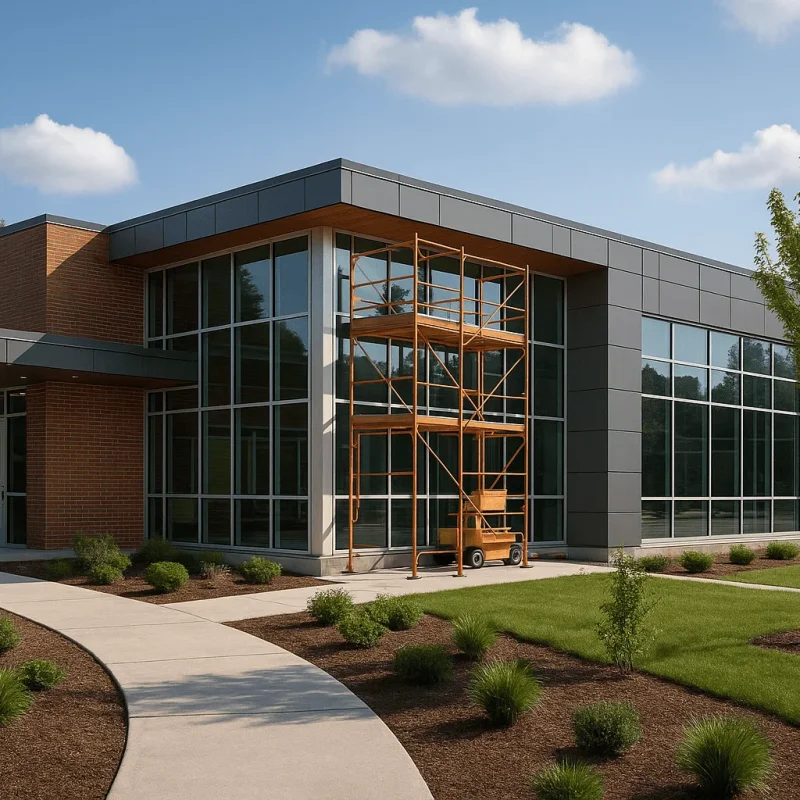
Cultural Center Construction in Tacoma, WA
Building a cultural center in Tacoma, Washington, is a vital endeavor that can enrich the community and foster engagement among residents. As a city known for its diverse history and vibrant arts scene, Tacoma presents unique opportunities and challenges for construction and remodeling projects aimed at cultural centers. Understanding these intricacies can greatly benefit stakeholders involved in such projects, including architects, developers, and community organizations.
The Significance of Cultural Centers
Cultural centers serve as essential venues for artistic, educational, and social interactions. They often house galleries, performance spaces, class studios, and community gathering areas that reflect the city’s diverse demographic. In Tacoma, places like the Museum of Glass and the LeMay – America’s Car Museum already illustrate the city’s commitment to cultural enrichment. When embarking on a new cultural center construction, the focus should center on community needs and aspirations, ensuring that architectural styles and functional spaces resonate with local heritage.
The Construction Process
Constructing a cultural center in Tacoma involves several systematic steps that start with careful planning and community consultation. Here’s a general outline of the process:
- Needs Assessment: Engage with the community to determine necessary features and services.
- Site Selection: Choose a strategic location easily accessible to Tacoma’s neighborhoods, such as Hilltop or South Tacoma.
- Design Phase: Collaborate with architects to create a design that merges functionality and aesthetics, drawing inspiration from Tacoma's rich history.
- Permitting Process: Submit plans to the City of Tacoma for necessary permits, ensuring compliance with local regulations.
- Construction: Hire qualified contractors to bring the project to life, emphasizing timelines, budgets, and quality.
Engaging the community throughout this process is crucial, allowing for feedback and support that can shape the eventual cultural center into a hub that truly represents Tacoma’s residents.
Benefits of Cultural Center Construction
The construction of a cultural center in Tacoma can yield numerous benefits:
- Promotes cultural awareness and appreciation among diverse groups.
- Encourages local economic growth through job creation and tourism.
- Enhances community engagement with arts and education programs.
- Provides spaces for events that strengthen social bonds.
Additionally, a well-designed cultural center can become a landmark in local neighborhoods, boosting property values and contributing to the overall quality of life in Tacoma.
Challenges to Consider
Despite the numerous rewards, various challenges can arise during the construction of cultural centers in Tacoma. Below are some key considerations:
- Local Regulations: Navigating the city’s zoning laws and building codes can be complex, requiring professional guidance.
- Funding: Securing financing can often be a hurdle, necessitating a balance between public funding and private investment.
- Community Buy-In: Gaining support from the community is vital, as resistance can delay or derail projects.
A proactive approach to addressing these challenges is essential for ensuring the successful completion of cultural center construction in Tacoma.
What to Expect Timeline and Materials
The timeline for constructing a cultural center can vary widely based on size, funding availability, and community engagement. Typically, the process takes between 12 months to several years from conception to completion. Utilizing sustainable building materials can align with the growing trend towards eco-friendly structures, incorporating elements like recycled content and energy-efficient systems that reflect Tacoma’s commitment to sustainability.
In summary, the construction of cultural centers in Tacoma, WA, presents a valuable opportunity to enhance community interaction and cultural enrichment. By navigating local regulations, engaging stakeholders, and focusing on sustainable design, developers can create spaces that not only serve practical purposes but also stand as symbols of the evolving fabric of Tacoma. As the city continues to grow, the need for cultural centers that resonate with residents' identities will only become more pressing, making thoughtful construction efforts essential for the future.