


Common Challenges in Seattle Sports Facility Lighting Systems Construction
Constructing and retrofitting sports facility lighting systems in Seattle presents unique challenges due to the city’s climate, infrastructure, and regulatory environment. Professional craftsmen must address these common issues to ensure optimal lighting performance for venues such as Safeco Field and local indoor gyms.
- Weather-related concerns: Seattle’s frequent rain and overcast skies require lighting systems designed to maintain brightness and reliability under damp conditions.
- Energy efficiency demands: Increasing city regulations and community expectations emphasize sustainable lighting solutions with minimal power consumption.
- Light pollution restrictions: Compliance with city ordinances to minimize glare and light trespass towards residential areas around neighborhoods like Capitol Hill is essential.
- Integration with existing architecture: Many Seattle sports facilities involve retrofitting older stadiums or gyms, demanding tailored solutions that respect structural limitations and aesthetic elements.
- Maintenance accessibility: Facilities must have lighting designs that allow for straightforward repairs and replacements without interrupting sports schedules.
Key Reasons to Undertake Lighting System Repairs and Retrofits in Seattle
Seattle sports facility operators seek construction and retrofit services primarily to address performance, safety, and regulatory needs. Recognizing these reasons helps prioritize investments for improved user experience.
- Outdated technology: Older metal halide or fluorescent fixtures become inefficient and fail to meet modern lighting standards.
- Increased operational costs: Inefficient lighting leads to higher electricity bills impacting facility budgets.
- Non-compliance with local regulations: Seattle’s stringent building codes require facility operators to upgrade lighting to meet current standards.
- Enhancing player safety and visibility: Advanced lighting improves athlete performance and spectator experience in venues like KeyArena.
- Environmental sustainability goals: Retrofitting with energy-saving LEDs supports Seattle’s commitment to reducing carbon footprints.
Step-by-Step Guide on How to Repair and Retrofit Lighting Systems
Efficient repair and retrofit of sports facility lighting systems involve a systematic approach by professional craftsmen familiar with Seattle’s unique conditions and permits.
- Initial assessment: Perform a comprehensive inspection of existing lighting infrastructure, including electrical wiring and fixture conditions.
- Design planning: Develop a lighting design tailored to meet functionality, energy efficiency, and compliance requirements while preserving architectural integrity.
- Permit acquisition: Coordinate with local authorities to secure necessary permits reflecting Seattle’s construction codes and environmental standards.
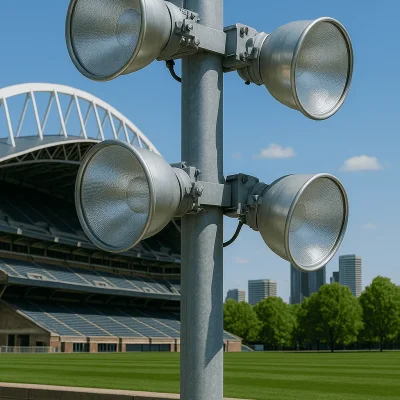
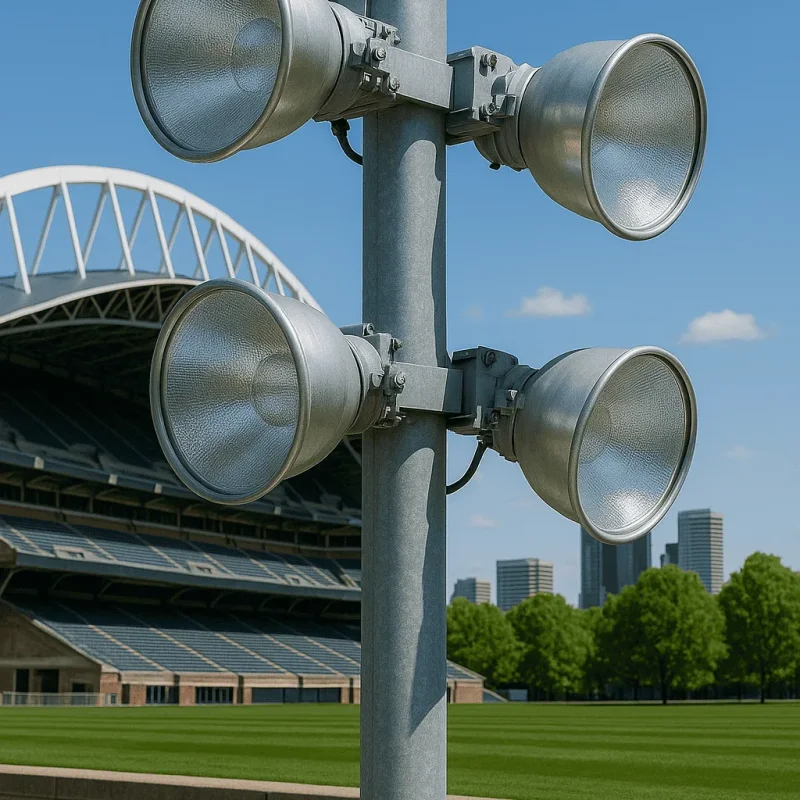
- Material selection: Choose durable, weather-resistant fixtures with advanced optics suited for Seattle’s climate and sports facility needs.
- Installation: Execute the upgrade or repair process minimizing disruption to sporting events, utilizing best practices from professional craftsmen.
- System testing and commissioning: Verify lighting performance across all zones, adjusting controls and sensors for optimal operation.
- Ongoing maintenance planning: Establish a maintenance schedule to ensure longevity and sustained lighting quality.
Remodelling Cost Considerations for Lighting Systems in Seattle Sports Facilities
Understanding the cost factors for construction and retrofits is essential for effective budgeting. Pricing can vary based on project scope and specific Seattle market conditions.
- Size and complexity of the facility: Larger stadiums or multi-sport complexes like those near Lake Union require more extensive lighting networks.
- Choice of lighting technology: LED systems generally have higher upfront costs but offer long-term savings through energy efficiency and reduced maintenance.
- Permit and inspection fees: Local Seattle regulations include expenses related to obtaining necessary authorizations.
- Labor and professional craftsmanship: Skilled technicians familiar with Seattle’s sports environments command competitive rates reflecting their expertise.
- Integration with existing infrastructure: Retrofits to older venues may require additional structural work or electrical upgrades increasing costs.
Typically, the remodelling cost includes materials, labor, design consulting, permitting, and post-installation testing. Considering these factors ensures transparent budgeting and aligns expectations for stakeholders.
Prevention and Maintenance Strategies for Long-lasting Sports Facility Lighting
Seattle sports facilities benefit from specialized maintenance routines that account for the local climate and usage patterns, maximizing the lifespan of lighting systems.
- Regular inspections: Schedule periodic professional assessments to identify wear and environmental impact on fixtures.
- Cleaning protocols: Remove dirt, moisture residue, and debris that accumulate due to Seattle’s wet weather, preserving light output.
- Timely repairs: Address any malfunctioning components quickly to prevent broader system failures during critical sports events.
- Upgrading controls: Implement smart lighting controls and sensors to adjust brightness according to real-time needs and reduce waste.
- Documentation and tracking: Maintain detailed records of maintenance activities and system performance to anticipate renovation phases.
By employing these prevention techniques, Seattle sports facility managers can ensure consistent lighting quality, energy savings, and compliance with city standards.
Conclusion
Partnering with Pioneer Remodel ensures expert construction and retrofitting of sports facility lighting systems in Seattle, combining local expertise and professional craftsmanship to enhance performance, safety, and sustainability in every project.