


Common Challenges in Indoor Track Construction in Seattle
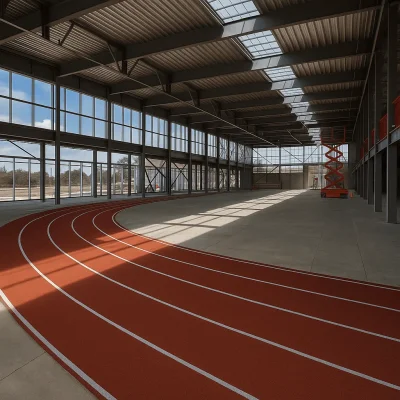
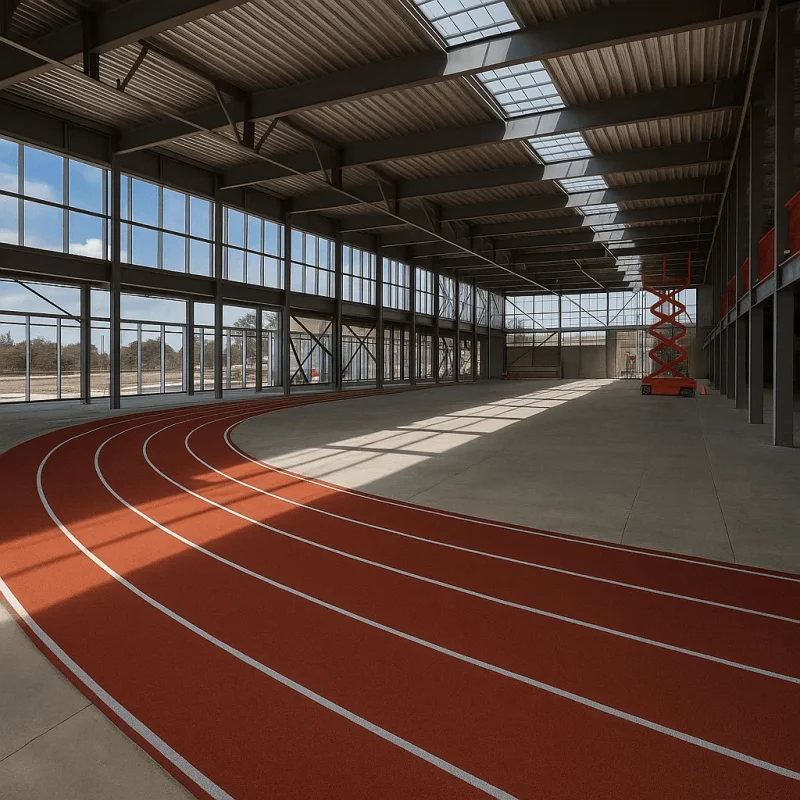
Indoor track construction in Seattle presents unique challenges influenced by the city’s climate, space limitations, and building codes. Understanding these common challenges is crucial for planning an efficient and durable indoor running facility.
- Space Constraints: Seattle’s urban neighborhoods, such as Capitol Hill and Ballard, often have limited available space, requiring innovative design solutions to maximize functionality.
- Moisture and Humidity Control: Seattle\'s damp climate necessitates specialized materials and ventilation systems to prevent moisture buildup that can damage indoor track surfaces.
- Compliance with Local Regulations: Construction must adhere to Seattle\'s stringent building codes and accessibility standards, including permits for commercial indoor facilities.
- Structural Integrity: Buildings must support the dynamic loads of track usage, requiring professional craftsmen experienced in relevant structural engineering principles.
- Acoustic Considerations: Minimizing noise reflection and maintaining sound quality are important in indoor athletic environments to ensure comfort and focus.
Primary Reasons for Indoor Track Construction and Restoration
Indoor track facilities in Seattle are built or renovated for diverse reasons, each rooted in the community’s demand for year-round fitness and athletic training options.
- Year-Round Athletic Training: Seattle\'s frequent rain and cool temperatures encourage building indoor tracks for uninterrupted training schedules.
- Community Recreation Needs: Neighborhoods with growing populations invest in indoor sports amenities to support active lifestyles and youth programs.
- Modernization of Older Facilities: Many older Seattle structures require restoration and upgrades to meet contemporary safety and performance standards.
- Expansion of Commercial Fitness Centers: Establishments aim to attract more clients by adding or upgrading indoor running tracks as a key feature.
- Compliance and Safety Improvements: Addressing concerns about track surface wear, lighting, and ventilation to enhance user experience and reduce injury risk.
How to Approach Indoor Track Repair and Renovation in Seattle
Effective indoor track repair and renovation depends on careful assessment, planning, and execution by expert construction teams familiar with Seattle\'s unique environment.
- Detailed Site Evaluation: Assess existing conditions, identify surface degradation, structural issues, and ventilation effectiveness.
- Customized Design Planning: Develop plans tailored to space limitations and client needs, integrating moisture-resistant materials and efficient lighting.
- Engagement of Professional Craftsmen: Utilize skilled labor experienced in sports construction to ensure precision and durability.
- Permit Acquisition and Compliance: Coordinate with Seattle municipal agencies to secure necessary permits and adhere to building codes.
- Phased Construction Process: Execute work in stages to minimize facility downtime and ensure quality control throughout.
Remodelling Cost Factors for Indoor Tracks in Seattle
Understanding the cost of indoor track construction or remodeling in Seattle involves multiple factors, reflecting the complexity and customization required for each project.
- Scope of Work: Full build-out costs more than surface renovations or minor repairs.
- Material Selection: High-quality, moisture-resistant, and impact-absorbing materials increase budget but enhance longevity.
- Labor Expertise: Hiring professional craftsmen specialized in indoor sports construction affects pricing but ensures superior outcomes.
- Permitting and Compliance: Fees and time for Seattle city permits can impact project timelines and budgets.
- Design Complexity: Intricate layouts or additional features such as integrated lighting and sound systems influence costs.
- Site Conditions: Older buildings may require structural updates or remediation, adding to expense.
The cost typically includes design consultation, material procurement, labor, permit handling, and quality inspections ensuring that the final construction meets all performance and safety standards in Seattle.
Prevention and Maintenance Tips for Indoor Tracks in Seattle
Proper maintenance and preventive care prolong the life and functionality of indoor tracks, particularly suited to Seattle\'s indoor environments.
- Regular Surface Cleaning: Remove dirt and moisture to prevent surface wear and hazards.
- Humidity Control: Use dehumidifiers and ventilation systems to manage moisture and prevent material degradation.
- Routine Inspections: Schedule professional evaluations of track surface integrity, lighting, and structural components.
- Timely Repairs: Address minor cracks, surface abrasion, or mechanical issues promptly to avoid costly restorations.
- User Guidelines: Implement and enforce proper usage protocols for footwear and equipment to reduce damage.
Engaging reputable Seattle-based construction and repair professionals like Pioneer Remodel for routine maintenance helps maintain optimal conditions and compliance with local standards.
Conclusion
Investing in professional indoor track construction and restoration in Seattle ensures durable, safe, and compliant athletic facilities that serve community needs year-round with expertise from industry leaders like Pioneer Remodel.