


Common Challenges in Seattle Retail Interior Demolition and Renovation Prep
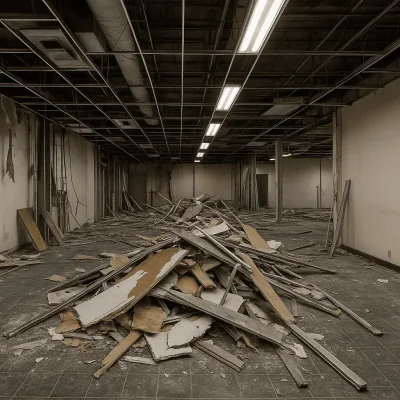
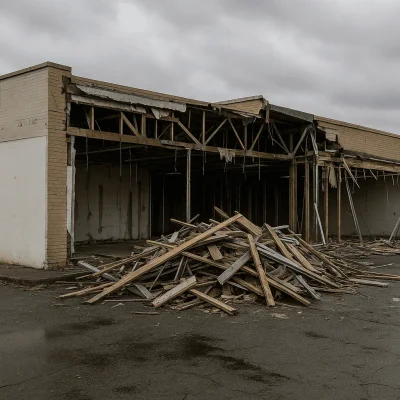
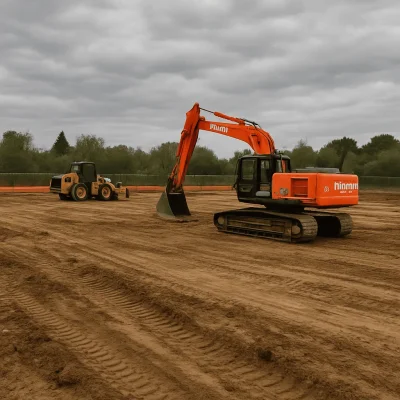
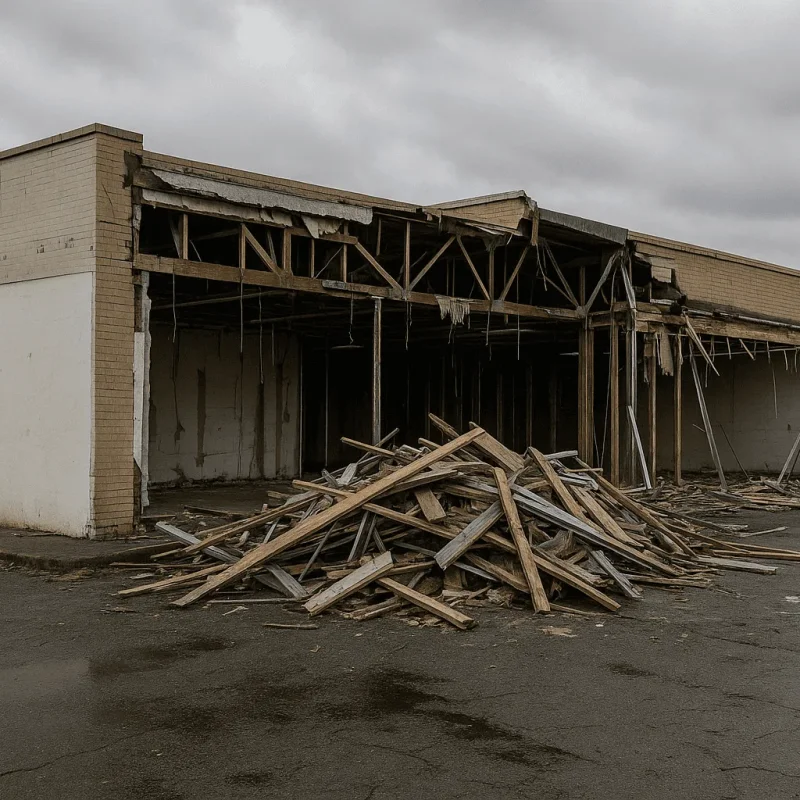
Retail interior demolition and renovation prep in Seattle often involves unique challenges due to the city’s dense urban environment and older commercial buildings. Understanding these challenges helps ensure a smooth restoration process for retail spaces.
- Building Permits and Regulations: Navigating Seattle’s permitting process and adhering to local codes is essential to avoid project delays.
- Asbestos and Hazardous Materials: Many retail buildings in areas like Pioneer Square contain asbestos that requires professional abatement before demolition.
- Space Constraints: Limited access and tight spaces in commercial districts such as Capitol Hill complicate equipment usage and debris removal.
- Historical Building Considerations: Older retail properties may have preservation requirements impacting demolition scope.
- Business Continuity: Minimizing downtime is critical for retailers along busy corridors like 1st Avenue.
Reasons for Retail Interior Demolition and Renovation Prep in Seattle
Retail businesses in Seattle undertake interior demolition and renovation to adapt their spaces to evolving market demands and improve customer experience.
- Space Optimization: Reconfiguring floor plans to enhance traffic flow and product display.
- Upgrading Infrastructure: Installing modern electrical, plumbing, and HVAC systems to meet current standards.
- Brand Modernization: Reflecting updated brand identities through refreshed interiors.
- Compliance with Accessibility Standards: Renovations to satisfy ADA compliance mandated by Seattle authorities.
- Preparation for New Tenants: Clearing existing retail fixtures for new business occupants entering the Seattle market.
How to Efficiently Manage Retail Interior Demolition and Renovation Prep in Seattle
Successful demolition and prep work requires strategic planning, the right tools, and experienced professionals who understand Seattle’s regulatory landscape.
- Hire Professional Craftsmen: Engage contractors skilled in demolition and remodeling specific to retail environments in Seattle.
- Secure Necessary Permits: Work closely with Seattle’s Department of Construction and Inspections to obtain timely approvals.
- Conduct Hazardous Material Inspections: Arrange testing for asbestos, lead, or mold prior to demolition commencement.
- Develop a Waste Management Plan: Plan for eco-friendly disposal and recycling of demolition debris per Seattle standards.
- Coordinate with Building Management: Ensure clear communication to maintain safety protocols and avoid disruption to neighboring businesses.
Remodelling Cost Factors for Seattle Retail Interior Demolition and Renovation Prep
Costs for retail interior demolition and renovation prep vary based on multiple factors specific to the Seattle market environment.
- Project Size and Complexity: Larger retail spaces or structurally complex sites demand more labor and time.
- Material Removal and Disposal: Expenses increase if hazardous materials like asbestos require special handling.
- Permit Fees and Inspections: Compliance costs imposed by Seattle\'s Department of Construction and Inspections affect budgeting.
- Labor Costs: Skilled craftsmen rates in Seattle fluctuate depending on market demand and union coverage.
- Design and Engineering Requirements: Incorporating structural modifications or upgrades elevates overall spending.
Typically, the quoted costs include demolition labor, debris removal, permit acquisition, hazardous material abatement, and initial site cleanup preparing for the next phase of renovation.
Prevention and Maintenance During and After Retail Renovation in Seattle
Maintaining the integrity of retail spaces through and following renovation promotes long-term value and operational efficiency.
- Routine Site Inspections: Regular review of demolition progress ensures adherence to safety and project timelines.
- Protect Adjacent Areas: Use barriers and dust control measures to safeguard neighboring properties in busy Seattle shopping districts.
- Maintain Clear Communication: Update stakeholders frequently, including building management and retail tenants.
- Plan for Post-Demolition Cleaning: Deep cleaning to remove dust and residues facilitates smoother subsequent construction phases.
- Schedule Preventive Maintenance: Implement checks on electrical and plumbing systems installed during renovation to prevent future breakdowns.
Conclusion
Retail interior demolition and renovation preparation in Seattle requires expert craftsmanship, thorough planning, and compliance with local regulations to ensure a successful and efficient transformation suitable for the city\'s dynamic commercial landscape.