


Common Issues in Seattle Retail Kiosk Construction
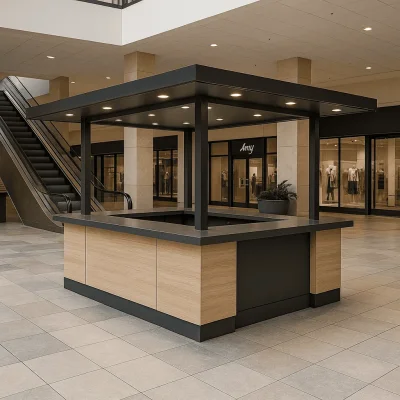
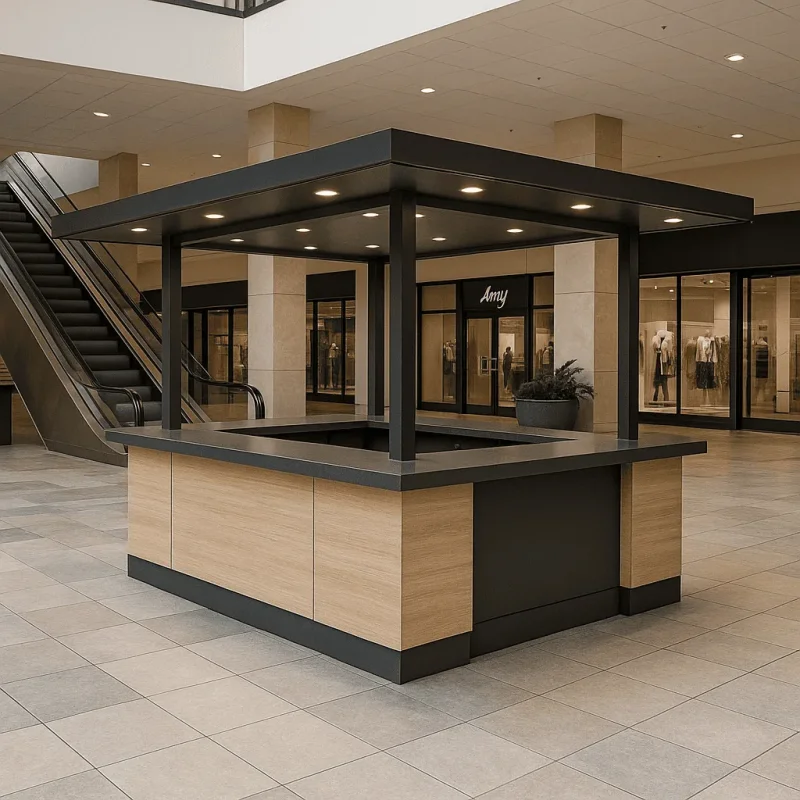
Retail kiosk construction in Seattle comes with unique challenges due to the city’s dense urban environment and high foot traffic areas such as Pike Place Market and downtown shopping centers. Professional craftsmen frequently encounter:
- Space limitations requiring efficient design and layout
- Compliance with Seattle’s strict building permits and zoning regulations
- Structural concerns related to temporary versus permanent kiosk installations
- Durability issues caused by Seattle’s rainy climate affecting materials and finishes
- Integration of modern electrical and lighting systems to attract customers
Reasons for Repair and Remodeling of Retail Kiosks in Seattle
Retail kiosk owners and property managers in Seattle often seek repair and remodeling services to address several common needs driven by market demand and urban conditions:
- Updating design aesthetics to stay competitive with local appearance trends
- Enhancing functionality for better customer interaction and sales efficiency
- Repairing weather-related wear such as water damage or corrosion
- Adjusting sizes or layouts due to changes in leasing agreements or foot traffic patterns
- Improving compliance with evolving city building codes and ADA accessibility standards
How to Effectively Remodel Seattle Retail Kiosks
Successful remodeling of retail kiosks in Seattle requires skilled craftsmanship combined with detailed project planning. Key steps include:
- Assessment of the current kiosk condition including structural and aesthetic aspects
- Design updates focusing on maximizing limited space and local market appeal
- Selecting weather-resistant materials to withstand the Pacific Northwest climate
- Hiring professional craftsmen experienced in Seattle’s construction guidelines
- Securing necessary permits and inspections from Seattle municipality before construction begins
Remodelling Cost Factors for Retail Kiosks in Seattle
The cost to construct or remodel retail kiosks in Seattle varies depending on several important factors. Understanding these elements helps business owners budget effectively:
- Size and complexity of the kiosk design and features
- Choice of materials, especially those suited to Seattle’s wet environment
- Labor costs influenced by local market rates for professional craftsmen
- Permit and regulatory fees required by Seattle city authorities
- Integration of electrical, lighting, and display systems tailored to retailer needs
- Project timeline and any logistical challenges common in dense urban neighborhoods
Generally, the cost covers design services, material procurement, skilled labor, permit acquisition, and final implementation for a functional retail kiosk.
Prevention and Maintenance for Seattle Retail Kiosks
Maintaining a retail kiosk in Seattle requires consistent attention to prevent damage from weather and everyday use. Practical tips include:
- Choosing corrosion-resistant and waterproof materials during construction
- Regular inspections for signs of water infiltration or structural wear
- Seasonal cleaning to avoid debris buildup, especially from nearby trees or urban pollution
- Protective coatings to prolong the life of surfaces exposed to rain and humidity
- Efficient lighting and electrical system checks to avoid safety hazards
- Engaging professional craftsmen for routine repairs and timely restoration
Summary of Seattle Retail Kiosk Construction and Remodeling
Partnering with experienced teams like Pioneer Remodel ensures seamless handling of Seattle retail kiosk construction and remodeling projects by addressing local challenges, adhering to regulations, and delivering quality results tailored to the city’s vibrant commercial hubs.