


Common Challenges in Seattle Line Kitchen Construction
Seattle's vibrant restaurant scene demands expertly designed line kitchens that can handle high volume while adhering to strict health and safety codes. When planning line kitchen construction in Seattle, restaurateurs commonly face several challenges:
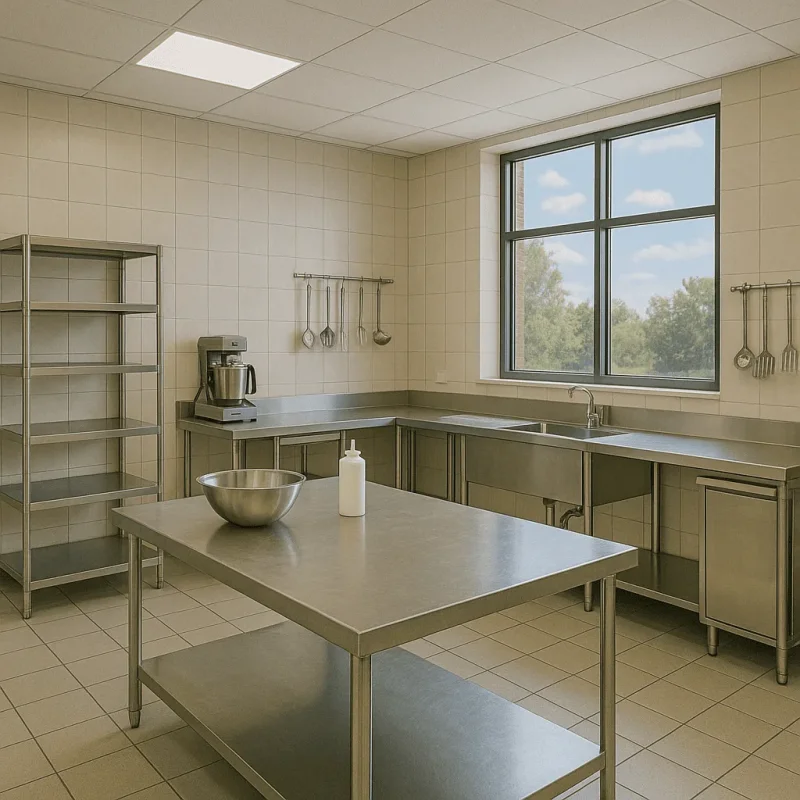
- Space optimization: Many Seattle restaurants are housed in older buildings or compact urban locations such as Capitol Hill and Pioneer Square, requiring efficient use of limited space.
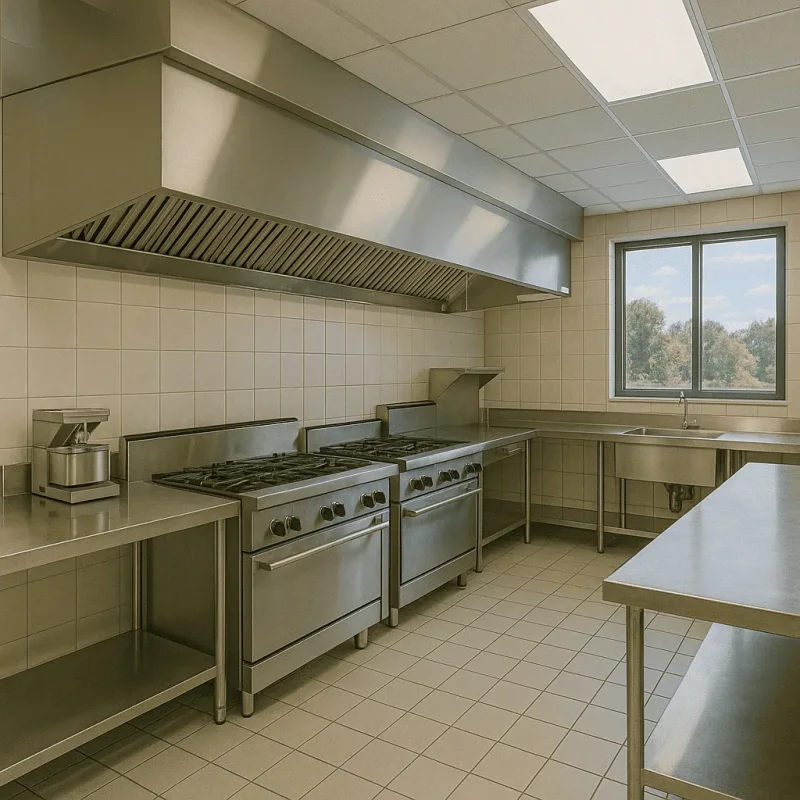
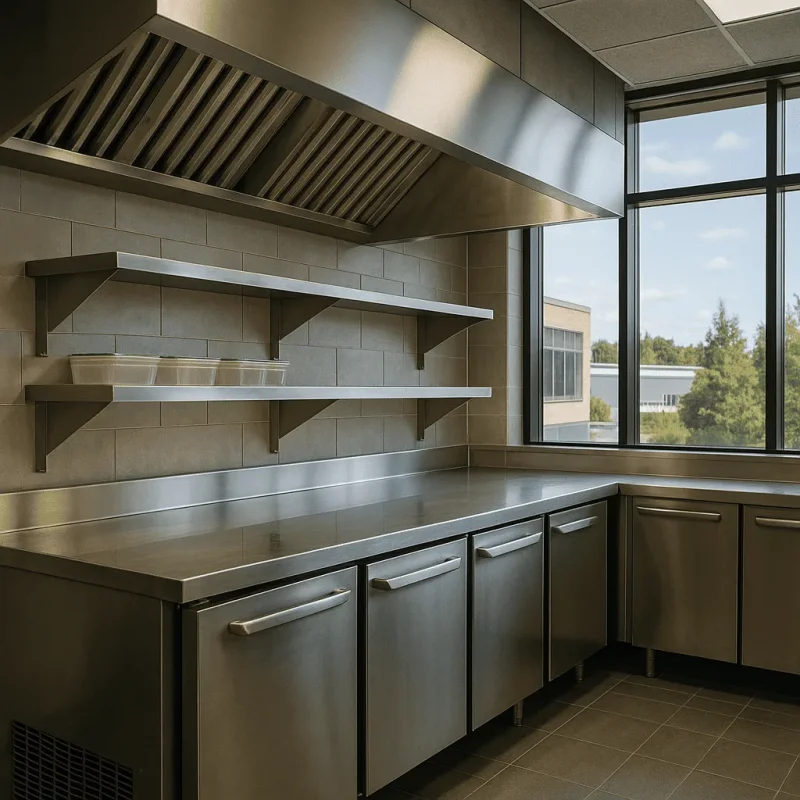
- Ventilation and exhaust systems: Seattle\'s environmental regulations necessitate professionally designed airflow to prevent smoke and odors from affecting nearby businesses and residences.
- Durability under heavy use: Line kitchens in busy Seattle eateries must be constructed with materials and fixtures that withstand continual heat, moisture, and wear.
- Compliance with local health codes: Seattle Public Health requires specific equipment spacing, surfaces, and sanitation features to maintain a safe cooking environment.
- Integration of modern technology: Incorporating energy-efficient appliances and smart kitchen systems suitable for Seattle\'s progressive restaurant market.
Key Reasons for Repair and Renovation of Line Kitchens in Seattle
Regular repair and restoration work is vital for maintaining operational efficiency and safety in Seattle line kitchens. Some of the primary reasons for investment in kitchen repairs include:
- Age-related wear: Older Seattle restaurants often have deteriorating countertops, cabinetry, and flooring that require professional restoration.
- Compliance updates: Changes in local health and fire codes in Seattle necessitate renovations to meet current standards.
- Equipment upgrades: Transitioning to new commercial-grade appliances needs structural adjustments in kitchen layouts.
- Water damage and moisture issues: Seattle\'s moist climate can contribute to mold and corrosion if plumbing or ventilation isn\'t properly maintained.
- Operational inefficiencies: Ineffective kitchen flow or outdated design impacts service speed, prompting remodels to optimize line productivity.
How to Effectively Construct and Repair Line Kitchens in Seattle
Engaging professional craftsmen who specialize in Seattle\'s line kitchen construction ensures functional and compliant kitchens. Essential steps include:
- Assessment and planning: Detailed evaluation of existing kitchen space, workflow requirements, and regulatory parameters specific to Seattle.
- Design development: Customized kitchen layouts that maximize efficiency within Seattle\'s building constraints and incorporate energy-saving appliances.
- Material selection: Choosing durable, commercial-grade surfaces and fixtures resistant to Seattle\'s humid conditions.
- Permit acquisition: Securing all necessary city permits and approvals, understanding Seattle\'s specific inspection processes.
- Professional installation: Experienced tradespeople handle plumbing, electrical work, and ventilation systems to meet health and safety standards.
- Final inspection and testing: Comprehensive checks to verify operational efficiency and regulatory compliance before opening.
Costs and Investment Factors in Seattle Line Kitchen Remodeling
The overall cost of line kitchen construction and restoration in Seattle depends on several factors, reflecting the complexity and specific demands of each project:
- Scope of work: Full kitchen rebuilds versus partial repairs or upgrades impact labor and material expenses.
- Material quality: Selecting premium commercial-grade stainless steel, reinforced flooring, and high-efficiency appliances influences pricing.
- Building constraints: Older Seattle buildings may require additional structural reinforcement or specialized permits, increasing costs.
- Design complexity: Custom layouts or integration of cutting-edge kitchen technology affects the overall budget.
- Labor expertise: Employing skilled professional craftsmen experienced in Seattle\'s restaurant environment ensures quality but may affect pricing.
Typically, the cost includes demolition of old kitchen elements, design consultation, material procurement, skilled labor, permit fees, and post-construction inspection. Investing in professional construction and restoration services maximizes the operational lifespan of the kitchen and ensures compliance with Seattle\'s regulations.
Prevention and Maintenance Practices for Seattle Line Kitchens
To extend the functional life of line kitchens and prevent costly repairs in Seattle\'s unique environment, regular maintenance and proactive care are key. Recommended practices include:
- Routine cleaning: Daily cleaning of surfaces, vents, and equipment to prevent grease buildup and odor issues.
- Scheduled inspections: Periodic professional checks of plumbing, electrical systems, and ventilation compliant with Seattle health codes.
- Timely repairs: Immediate attention to leaks, worn flooring, or malfunctioning appliances to mitigate further damage.
- Upgrade planning: Staying informed about evolving Seattle building codes and investing in incremental renovations.
- Staff training: Educating kitchen personnel on proper equipment use and sanitation aligned with local regulations.
Conclusion
For reliable and efficient line kitchen construction and restoration in Seattle, partnering with experienced professional craftsmen like Pioneer Remodel ensures a safe, high-performance kitchen suited to the demands of Seattle\'s dynamic restaurant industry.