


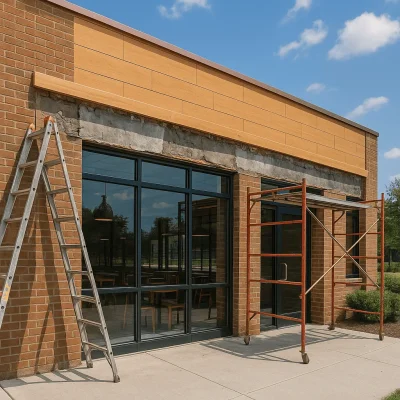
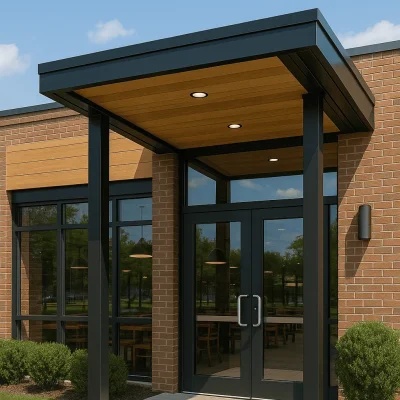
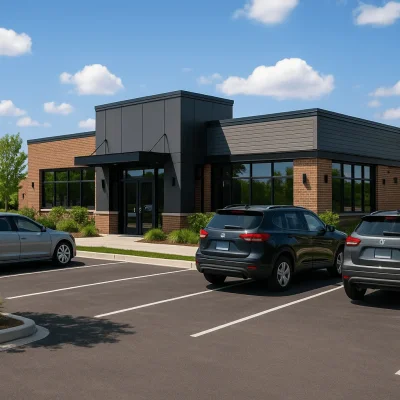
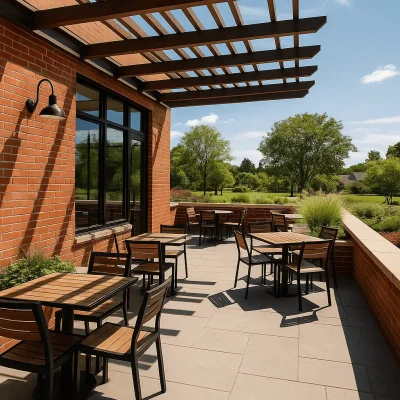
Common Problems in Seattle Restaurant Facade Renovation & Restoration Construction
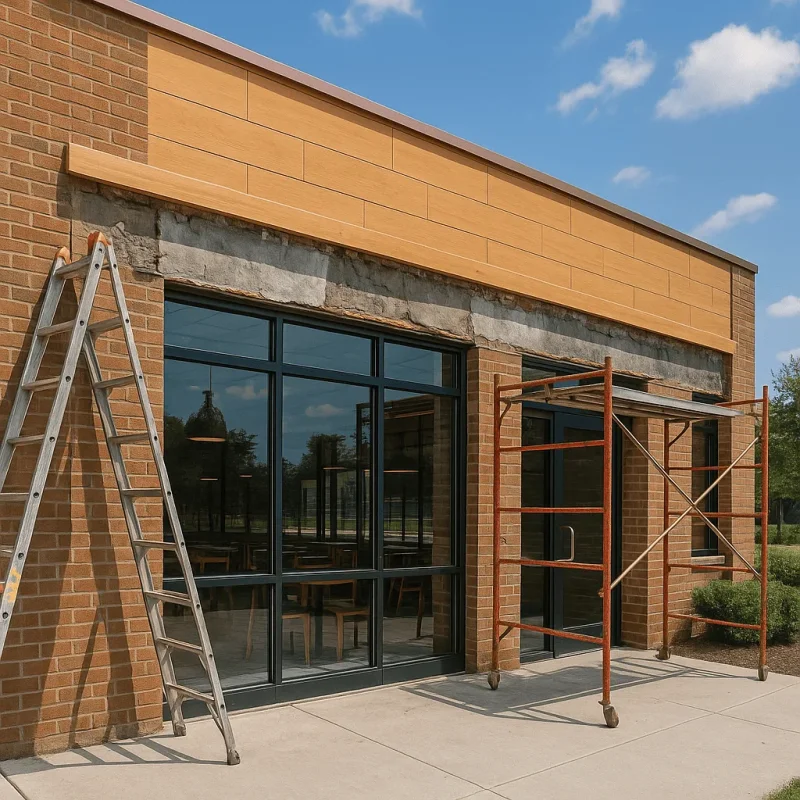
Renovating and restoring restaurant facades in Seattle presents unique challenges due to the city’s distinct climate and urban landscape. Professional craftsmen often encounter specific issues that require specialized attention to maintain both aesthetic appeal and structural integrity. Understanding these common problems can help restaurant owners plan their facade projects effectively.
- Weather-Related Damage: Seattle’s frequent rain and damp conditions often lead to water infiltration, wood rot, and rust on metal elements of restaurant facades.
- Wear and Tear from Urban Pollution: Facades located near busy streets like Pike Place Market or in Capitol Hill often suffer from grime, soot, and pollution that dull finishes and degrade materials.
- Outdated Design and Materials: Older restaurant buildings in neighborhoods such as Ballard and Queen Anne may require updates that combine modern aesthetics with historical restoration.
- Structural Issues: Facade frameworks and supporting elements can weaken over time due to age or seismic activity common in the Pacific Northwest.
- Compliance with Local Regulations: Navigating Seattle’s strict building codes and preservation rules can complicate restoration projects.
Key Reasons for Seattle Restaurant Facade Restoration and Renovation
There are various motivating factors behind choosing to invest in restaurant facade renovation and restoration in Seattle. These reasons reflect the city\'s dynamic economic environment, neighborhood character, and desire for sustainability.
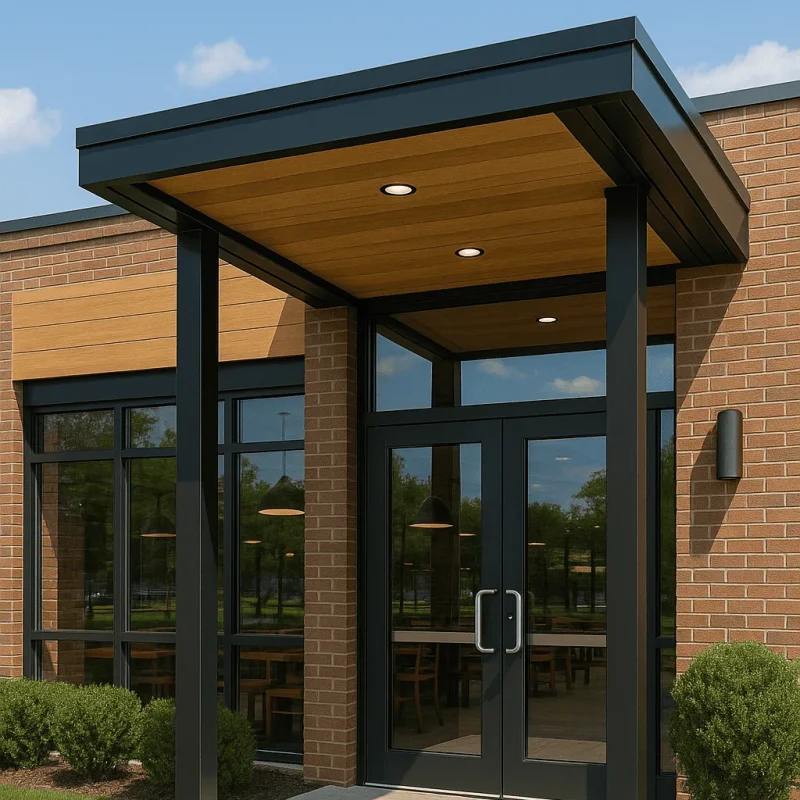
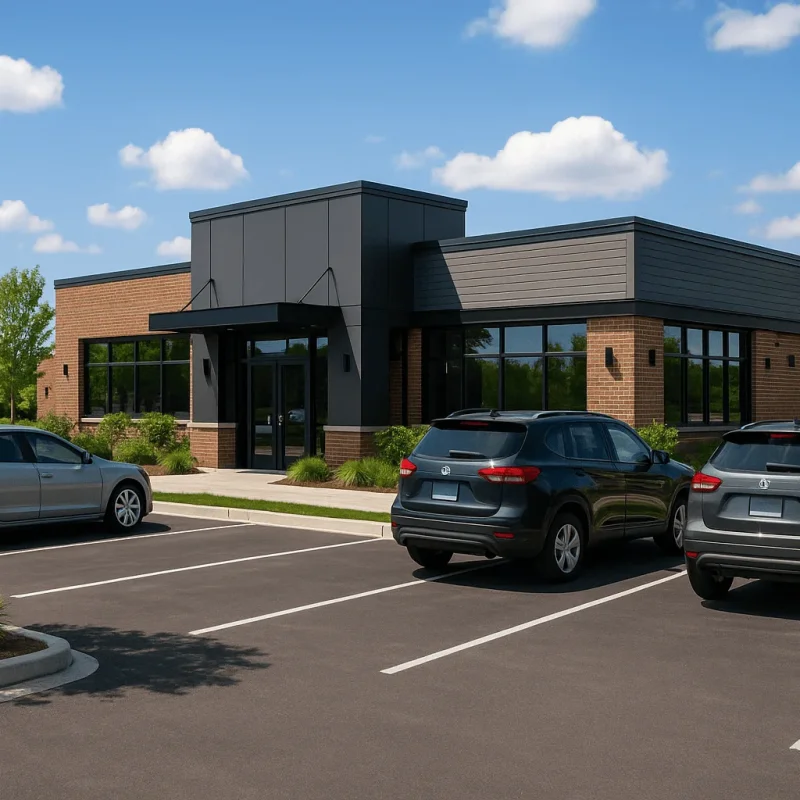
- Enhancing Curb Appeal: An attractive facade draws more customers by making a strong first impression especially in high-traffic districts like Downtown Seattle and Belltown.
- Preserving Historical Character: Many Seattle restaurants are housed in heritage buildings that require sensitive restoration to retain their original charm.
- Improving Energy Efficiency: Upgrading facades with insulation or energy-efficient materials helps restaurants save on heating costs in Seattle’s cool climate.
- Addressing Structural Safety: Ensuring a safe and secure facade protects patrons and staff, particularly important in a city with earthquake considerations.
- Complying with Updated Codes: Renovations often include bringing facades up to current seismic, fire, and accessibility standards mandated by Seattle authorities.
How to Approach Restaurant Facade Repair and Renovation in Seattle
Effective restoration and renovation require careful planning and execution by professional craftsmen who understand Seattle\'s construction landscape and environmental factors. Here are essential steps involved in successful facade projects.
- Initial Assessment: Conduct a thorough inspection of the facade to identify damage, material conditions, and design elements requiring restoration.
- Design Planning: Collaborate with architects and craftsmen to create a restoration plan that balances aesthetic goals with structural requirements and local zoning rules.
- Obtaining Permits: Secure necessary permits from Seattle\'s Department of Construction and Inspections to ensure compliance with regulations and neighborhood guidelines.
- Material Selection: Choose durable, weather-resistant materials appropriate for Seattle\'s rainy, temperate climate while honoring the building\'s historical style if applicable.
- Professional Execution: Employ skilled construction teams familiar with restoration techniques to carry out repairs, repainting, or cladding installation.
- Final Inspection and Touch-Ups: After renovation, verify all aspects meet quality standards and address any finishing details for a polished look.
Remodeling Cost Factors for Seattle Restaurant Facade Projects
The cost associated with restaurant facade renovation and restoration in Seattle varies considerably depending on several important factors. Understanding these components ensures transparent budgeting and decision-making.
- Scope of Work: Full facade replacement, partial repairs, or cosmetic upgrades influence overall expense.
- Material Quality and Type: Using high-end, sustainable materials suited for local weather can increase costs but offer long-term savings and durability.
- Historic Preservation Requirements: Projects on registered landmarks or older buildings often demand specialized, costly restoration techniques.
- Labor and Expertise: Skilled craftsmen and restoration specialists command premium rates for their knowledge and experience.
- Permitting and Inspections: Fees for permits and mandatory city inspections contribute to the total remodeling cost.
Typically, costs encompass materials, labor, permits, design fees, cleanup, and any additional structural reinforcements needed to meet Seattle\'s building codes.
Prevention and Maintenance Tips for Restaurant Facades in Seattle
To extend the longevity of a renovated or restored restaurant facade, ongoing maintenance tailored to Seattle’s environment is essential. Implementing preventative strategies helps avoid costly repairs and maintains visual appeal.
- Regular Cleaning: Wash away grime, mold, and pollutants routinely to protect surfaces, especially those exposed to heavy street traffic.
- Inspection After Storms: Check for damage following harsh weather or high winds common in the Pacific Northwest.
- Prompt Repairs: Address minor issues such as cracked paint, loose elements, or water infiltration early to prevent escalation.
- Protective Coatings: Apply sealants and weather-resistant finishes designed for Seattle\'s humid climate to shield facades from moisture damage.
- Schedule Professional Assessments: Engage restoration experts periodically for comprehensive evaluations to sustain structural integrity and aesthetic standards.
Conclusion
Opting for professional restaurant facade renovation and restoration in Seattle by skilled craftsmen like those at Pioneer Remodel ensures your establishment stands out securely and beautifully amid the city\'s unique urban fabric.