


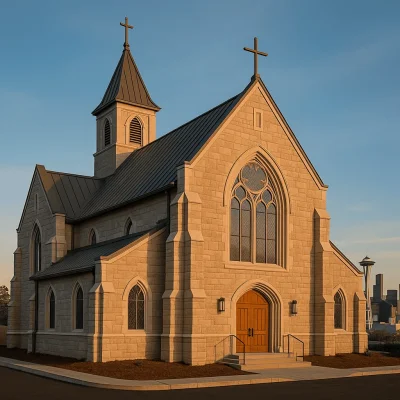
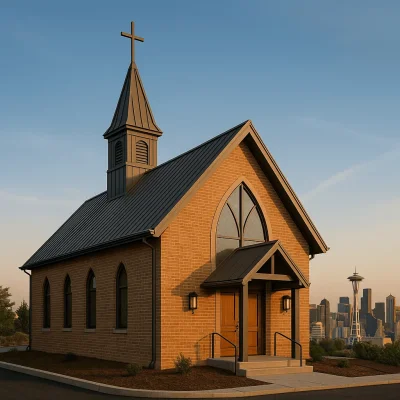
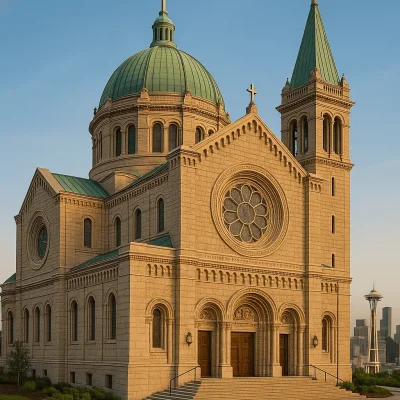
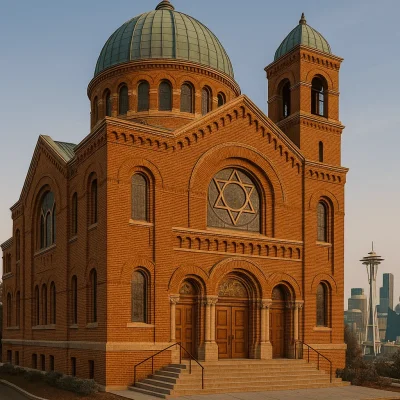
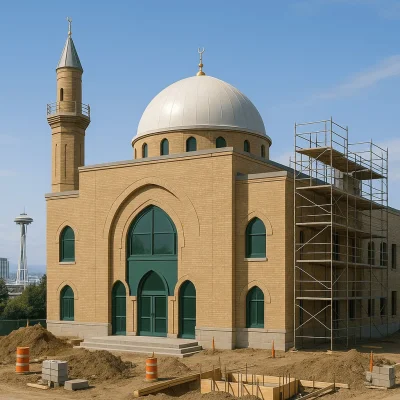
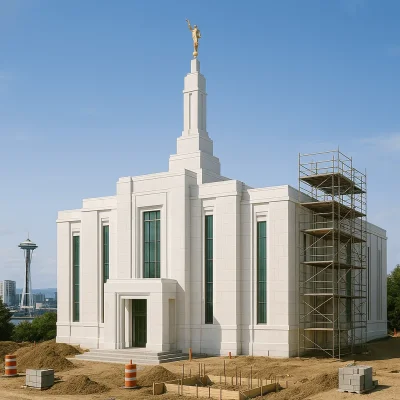
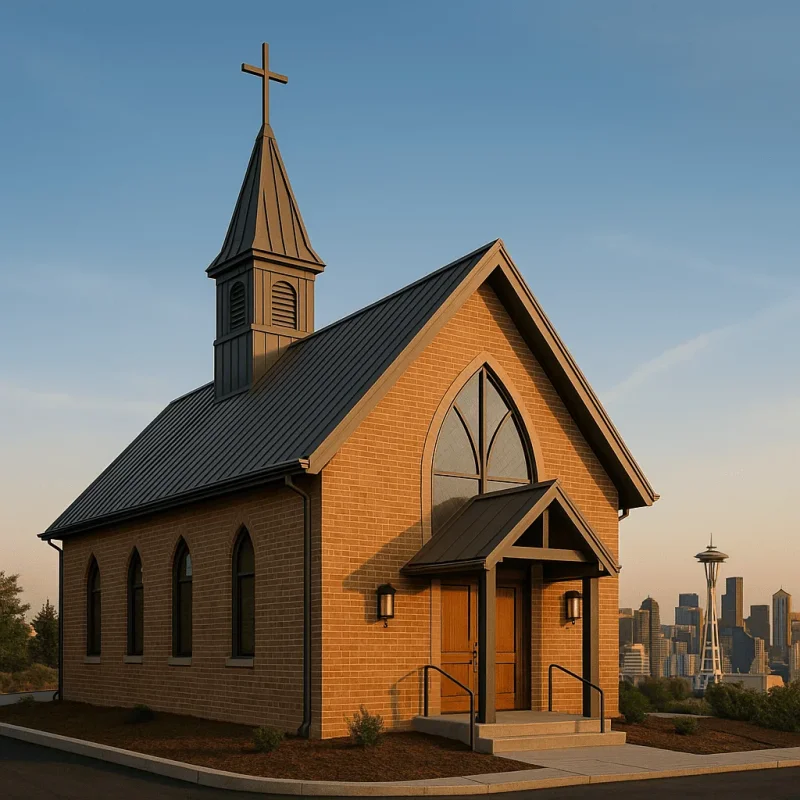
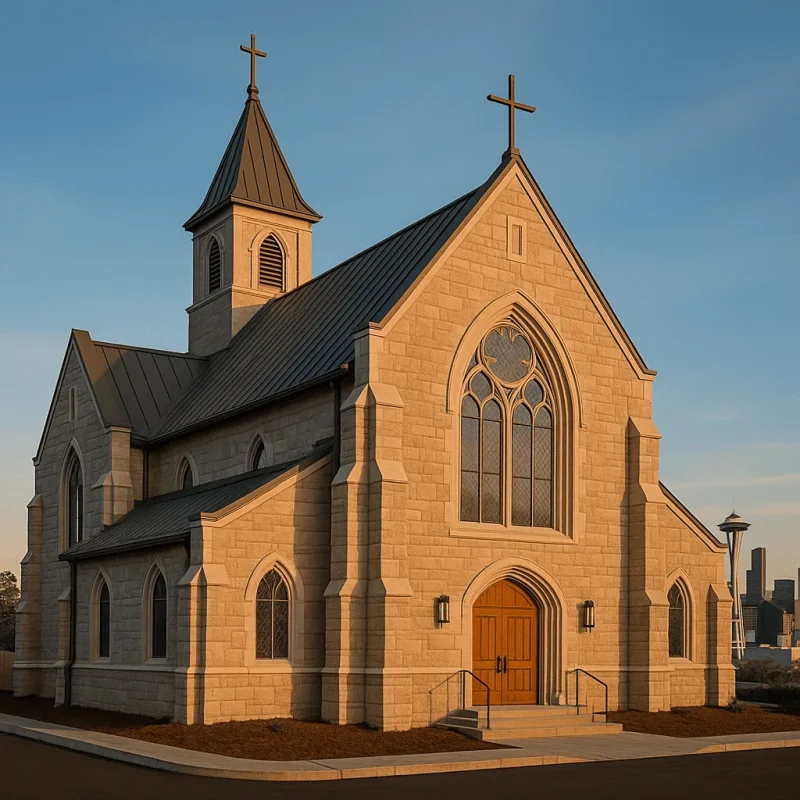
Common Challenges in Seattle Chapel Construction
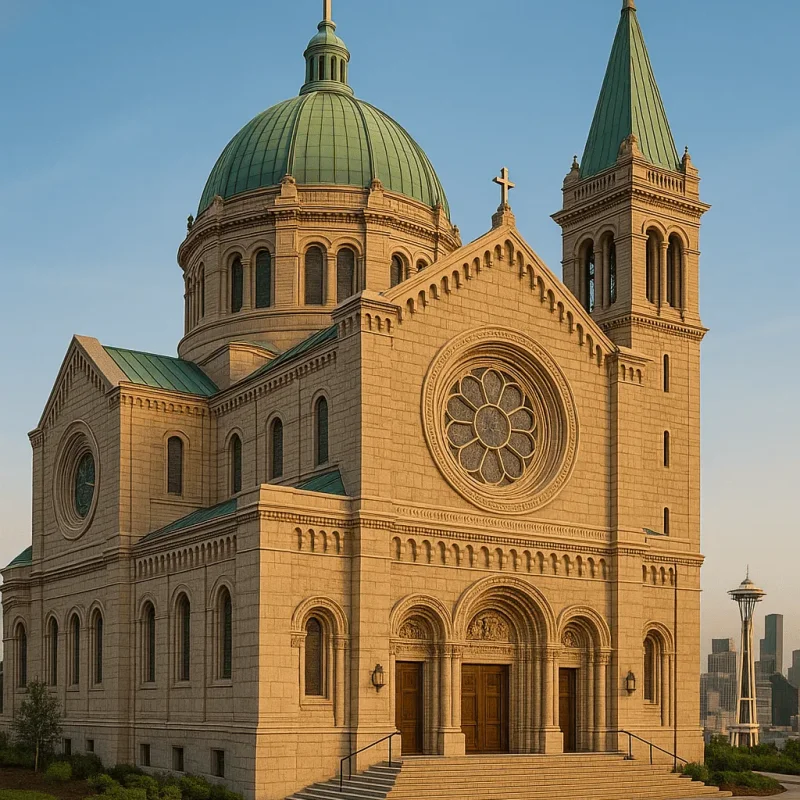
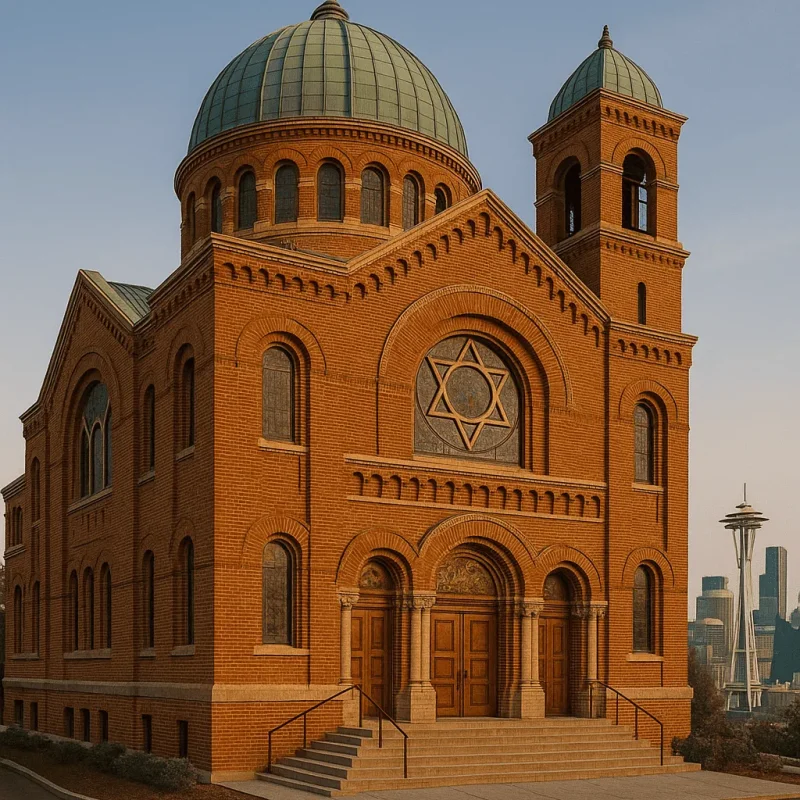
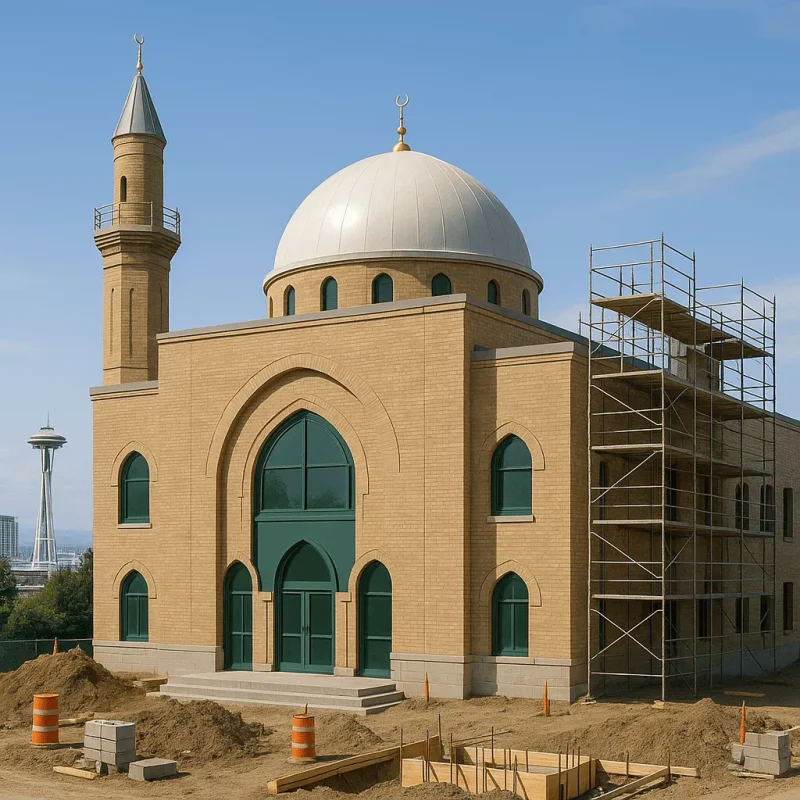
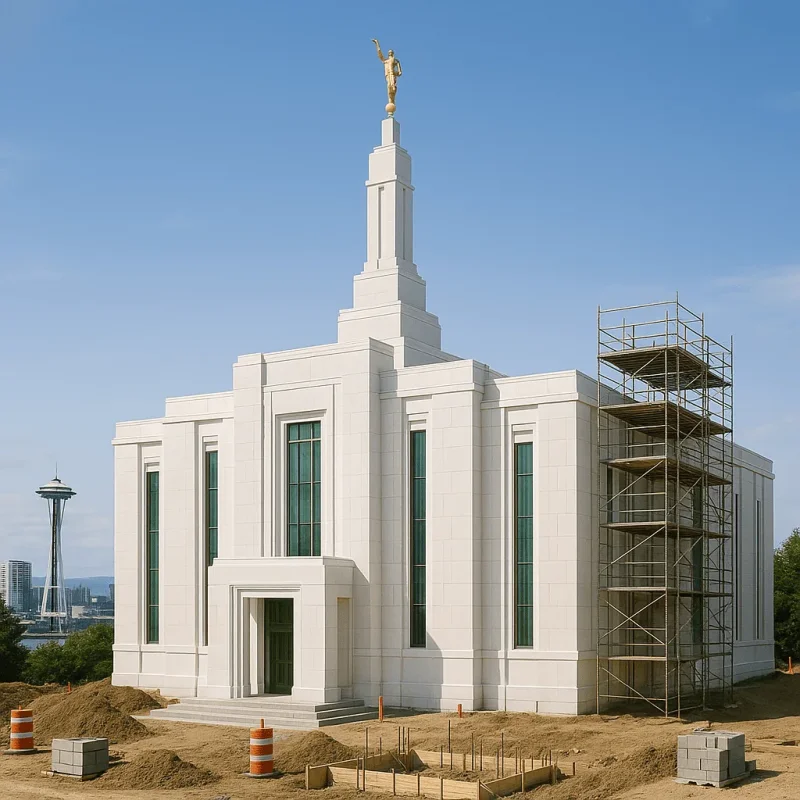
Constructing chapels in Seattle presents unique challenges due to the city’s distinct climate, historic neighborhoods, and diverse architectural styles. Prospective builders and property owners often encounter difficulties that require specialized knowledge to ensure successful completion and long-term durability.
- Weather Impact: Seattle’s frequent rain and damp conditions can cause moisture-related problems such as wood rot, mold growth, and foundation issues if not properly managed during construction.
- Historic Preservation: Many Seattle neighborhoods include older buildings with heritage designations or specific architectural guidelines that influence chapel designs and materials used.
- Limited Space: Urban areas, such as Capitol Hill and Queen Anne, often have restricted building footprints, demanding efficient spatial planning without compromising functionality or aesthetics.
- Permit and Zoning Compliance: Navigating Seattle’s strict zoning laws and obtaining necessary permits for religious facilities require careful coordination with city authorities.
- Accessibility Requirements: Ensuring chapels meet ADA compliance involves precise planning of entrances, seating arrangements, and pathways, which can be complex in historic or small structures.
Key Reasons for Chapel Construction and Renovation in Seattle
There are multiple motivations behind initiating chapel construction and renovation projects in Seattle, ranging from community needs to structural improvements. Understanding these reasons helps in planning and executing a successful project with the help of professional craftsmen.
- Community Growth: Expanding congregations in fast-developing areas like Ballard and South Lake Union create demand for new or larger worship spaces.
- Restoration of Historic Chapels: Several older chapels require structural restoration and modern updates while preserving architectural integrity.
- Modernization: Incorporating updated technologies such as energy-efficient lighting, sound systems, and climate control enhances user experience.
- Functional Adaptation: Renovations to accommodate multi-purpose uses or accessibility improvements are common in the diverse Seattle community.
- Structural Repairs: Addressing issues caused by Seattle’s wet climate, seismic activity, or aging construction materials ensures safety and longevity.
Effective Strategies for Seattle Chapel Construction and Renovation
Success in chapel construction involves deploying expert techniques tailored to Seattle’s environment and building codes. Utilizing professional craftsmen with local experience ensures projects proceed smoothly from design through completion.
- Comprehensive Planning: Detailed architectural and engineering assessments guide design choices aligned with local building regulations and community needs.
- Moisture Management: Installation of vapor barriers, drainage systems, and high-quality sealants protects the structure from Seattle’s rainy weather.
- Material Selection: Choosing durable, weather-resistant materials like cedar siding or treated timber harmonizes with the Seattle aesthetic and climate demands.
- Energy Efficiency: Integrating insulation, energy-efficient windows, and sustainable heating systems reduces operational costs and environmental impact.
- Collaboration with Authorities: Working closely with Seattle’s Department of Construction & Inspections ensures smooth permitting and code compliance throughout the project.
Seattle Chapel Construction and Renovation Cost Considerations
Estimating the cost of chapel construction or renovation in Seattle involves multiple factors reflecting the city’s unique market conditions and project specifics. Understanding these influences helps property owners plan budgets effectively.
- Project Size and Scope: Larger or more complex chapels require more materials, labor, and time, impacting overall cost.
- Material Quality and Type: The selection of premium, weather-appropriate materials can increase upfront costs but reduces long-term maintenance expenses.
- Historic Restoration Requirements: Preservation of historical features may require specialized craftsmen and additional approvals, increasing labor costs.
- Labor and Professional Services: Skilled local craftsmen and designers experienced in Seattle chapel projects ensure quality work but are priced according to city labor standards.
- Permit and Inspection Fees: Permitting processes specific to religious and community structures add to the budget and require timing consideration.
The cost typically covers design consultation, materials, construction labor, finishing, systems installation, and required inspections.
Preventive Measures and Maintenance for Seattle Chapels
Preserving the structural and aesthetic integrity of Seattle chapels requires ongoing maintenance tailored to the local environment. Professional craftsmen emphasize prevention to avoid costly repairs and extend the lifespan of construction.
- Regular Moisture Inspections: Checking for water infiltration and addressing minor leaks promptly reduces mold and structural damage risks.
- Timely Roofing and Gutter Upkeep: Maintaining these critical features ensures effective rainwater management in Seattle’s wet seasons.
- Seismic Retrofit Assessments: Given regional earthquake risks, updating structural elements improves safety and compliance.
- Exterior Surface Treatment: Applying weather-resistant paints and stains prevents material deterioration from rain and UV exposure.
- Electrical and HVAC Servicing: Routine checks enhance system efficiency, reduce energy consumption, and ensure occupant comfort.
Conclusion
Partnering with Pioneer Remodel and their team of professional craftsmen in Seattle guarantees expert handling of chapel construction and renovation, addressing local challenges with tailored solutions for lasting quality and community value.