


Common Challenges in Seattle Religious Facade Renovation
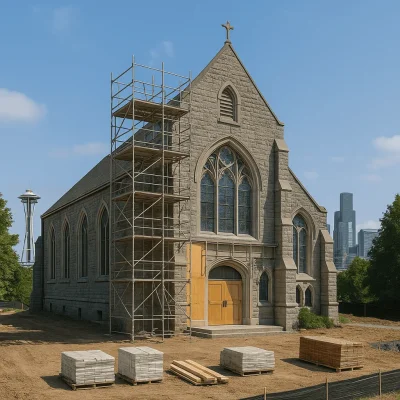
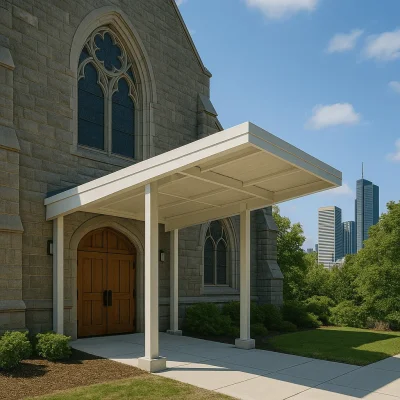
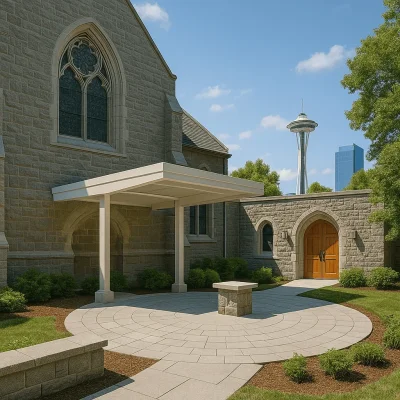
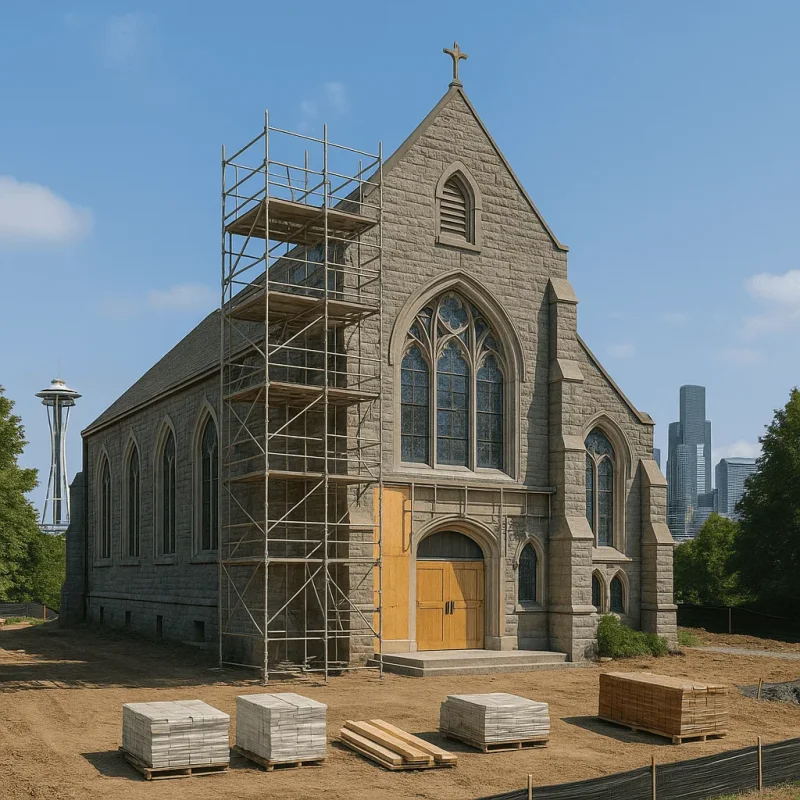
Renovating religious facades in Seattle presents unique challenges due to the city’s historic architecture and rainy climate. Professional craftsmen often encounter these common malfunctions during restoration projects:
- Weather-related damage such as water infiltration, moss growth, and erosion caused by Seattle’s frequent rain and damp conditions.
- Deterioration of original materials including wood rot, stone spalling, and mortar degradation in older religious buildings.
- Structural settling or shifting, especially in neighborhoods like Capitol Hill or Beacon Hill, where soil conditions affect foundation stability.
- Wear and tear on stained glass windows, intricate wood carvings, and ornamental stonework due to age and environmental factors.
- Outdated construction techniques that complicate integration of modern safety standards without compromising historical integrity.
Most Frequent Reasons for Religious Facade Repair in Seattle
Understanding why facade repair is necessary helps property owners anticipate needs and plan accordingly. In Seattle, several factors contribute to the demand for religious facade restoration:
- Exposure to Pacific Northwest weather, leading to accelerated wear on exposed surfaces.
- Aging infrastructure in many of Seattle’s historic churches and synagogues built before modern water-resistant technologies.
- Environmental pollution and urban air quality impacting stone and metal features.
- Seismic activity considerations requiring reinforcement of older facades to meet current safety codes.
- Desire to preserve cultural and architectural heritage, motivating regular upkeep and restoration efforts.
- Local regulations and historic preservation ordinances mandating specific restoration standards in districts like Pioneer Square or First Hill.
How to Approach Seattle Religious Facade Renovation and Repair
Successfully restoring Seattle religious facades demands a detailed, methodical approach guided by experienced professionals. Pioneer Remodel and other specialists recommend these essential steps:
- Comprehensive condition assessment focusing on structural integrity, material degradation, and weather impact.
- Collaboration with historic preservation boards and adherence to Seattle permits and local codes for restoration work.
- Careful selection of materials that match or complement the original facade while providing enhanced durability.
- Custom repair techniques for delicate features such as stained glass, ornamental woodwork, and stone detailing.
- Implementing moisture-control systems to prevent long-term damage from Seattle’s damp climate.
- Ongoing communication with client stakeholders to align restoration goals with budget and timeline requirements.
Understanding the Cost Factors of Religious Facade Remodelling in Seattle
Remodelling costs for religious facades in Seattle vary widely based on several key factors. Knowing what influences pricing helps property managers plan and budget intelligently:
- Extent of damage and required restoration work, including structural repairs versus surface refurbishments.
- Historical significance of the building necessitating specialized craftsmanship and materials.
- Size and complexity of the facade, especially in landmark buildings with intricate features.
- Compliance with local historic preservation codes and required permit fees within Seattle.
- Challenges related to site access or environmental conditions, common in denser neighborhoods such as Queen Anne or Ballard.
- Inclusion of ongoing maintenance plans to extend the life and appearance of the restored facade.
The cost typically encompasses labor by professional craftsmen, material procurement, project management, and quality inspections to guarantee long-lasting results.
Prevention and Maintenance Strategies for Seattle Religious Facades
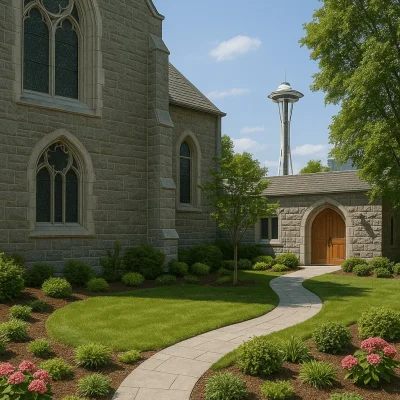
Maintaining the beauty and stability of religious facades in Seattle requires proactive strategies tailored to the local climate and architecture. Recommended prevention and maintenance measures include:
- Regular inspections to detect early signs of water damage, wood decay, or stone erosion before serious repairs are needed.
- Routine cleaning using gentle methods to remove moss, algae, and pollution buildup without damaging historic materials.
- Application of protective sealants appropriate for stone and wood surfaces to repel moisture while allowing breathability.
- Careful monitoring and repair of gutters, downspouts, and drainage systems to prevent water accumulation near foundations.
- Scheduling minor touch-ups and repainting using historically accurate colors and finishes to preserve architectural authenticity.
- Engagement of professional restoration companies like Pioneer Remodel for expert maintenance tailored to religious institutions’ unique needs.
Conclusion
Faithful restoration and careful upkeep of Seattle religious facades safeguard architectural heritage while enhancing the city’s cultural landscape.