


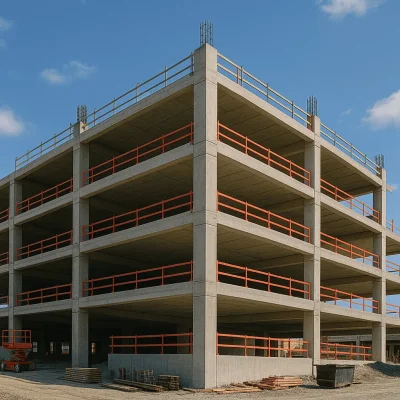
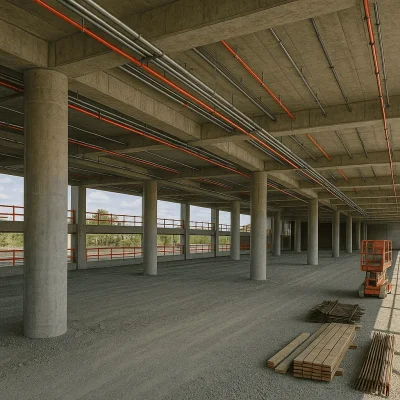
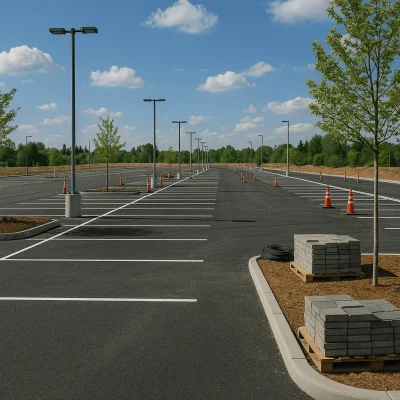
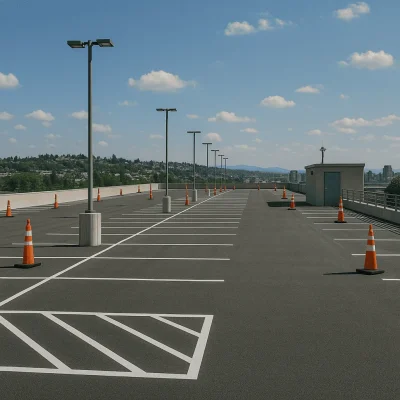
Common Challenges in Surface Parking Construction in Seattle
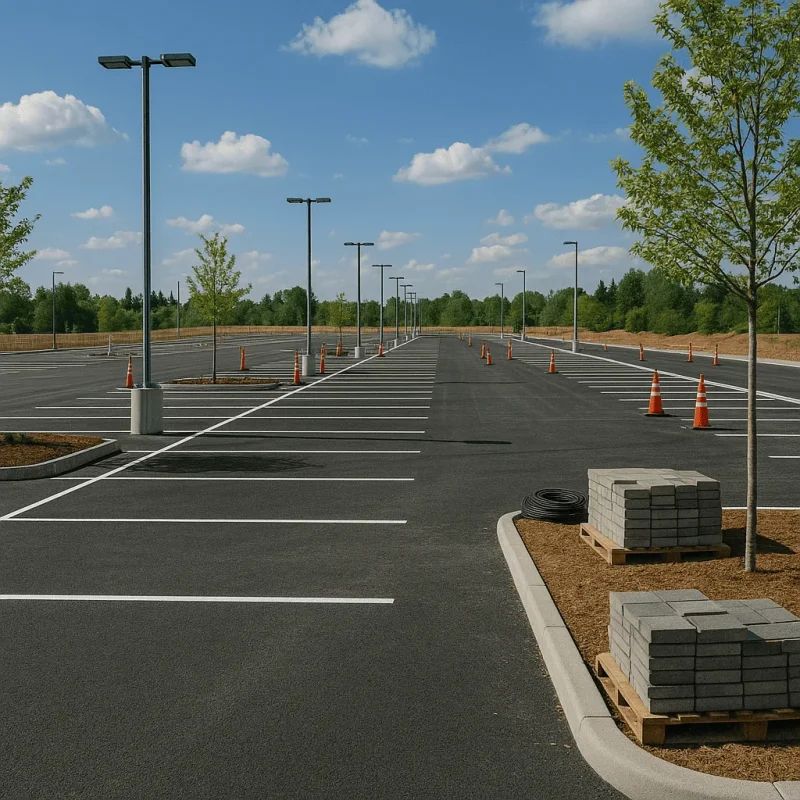
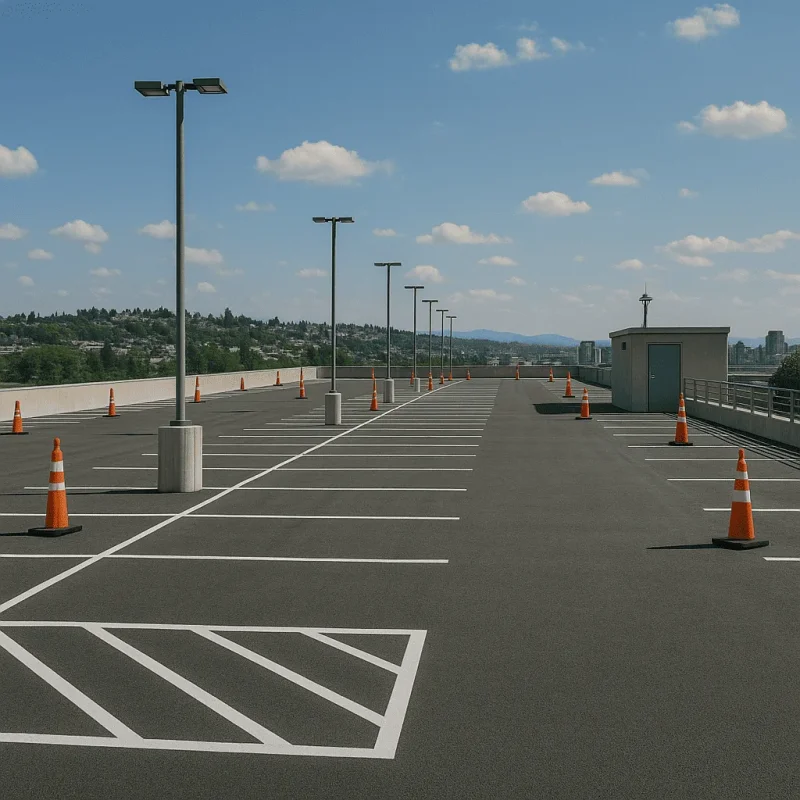
Surface parking construction in Seattle presents unique challenges due to the city’s dense urban environment and diverse terrain. Understanding these common issues is essential for property owners and developers planning to create or expand surface parking areas.
- Land Availability and Zoning Restrictions: Limited flat land combined with strict zoning regulations in neighborhoods such as Capitol Hill and South Lake Union often complicate surface parking development projects.
- Drainage and Stormwater Management: Seattle's frequent rain requires well-engineered drainage systems to prevent flooding and water pooling, adhering to local environmental standards.
- Permitting and Compliance: Obtaining the necessary permits involves navigating Seattle’s complex requirements, including adherence to green building standards and city codes.
- Soil Stability and Grading: The varied topography, especially near areas like Queen Anne and Ballard, demands thorough soil analysis and proper grading to ensure pavement longevity and safety.
- Environmental Impact Considerations: Close proximity to parks and water bodies means minimizing environmental disruption through sustainable construction methods is vital.
Key Reasons to Invest in Professional Surface Parking Repair and Construction in Seattle
Surface parking areas in Seattle require ongoing maintenance and occasional repair to remain functional and compliant with city regulations. Recognizing the reasons behind these needs helps prioritize professional services.
- Wear and Tear from Heavy Usage: Daily use by residents, commuters, and visitors, especially near Pike Place Market or Seattle Center, causes pavement deterioration over time.
- Weather-Related Damage: Seattle’s wet climate accelerates cracking, potholes, and fading of surface markings, necessitating restoration work.
- Regulatory Updates: Changes in city ordinances may require upgrading parking layouts, accessibility features, and signage to meet current standards.
- Safety Enhancements: Repairing lighting, signage, and pavement surfaces improves safety for pedestrians and drivers in busy areas like Belltown and the International District.
- Property Value Preservation: Maintaining a well-constructed parking area boosts the property’s appeal in a competitive Seattle real estate market.
How to Effectively Plan and Execute Surface Parking Construction in Seattle
Successful surface parking construction in Seattle demands meticulous planning and execution, tailored to the city’s unique urban dynamics and regulatory environment.
- Site Assessment and Surveying: Engage professional craftsmen to conduct detailed land surveys, soil testing, and zoning analysis specific to Seattle neighborhoods.
- Design and Layout Planning: Develop optimized parking configurations that maximize space while ensuring compliance with Seattle’s parking and environmental codes.
- Permitting and Approval: Navigate Seattle’s permitting process early, including environmental reviews and city inspections, to avoid delays.
- Infrastructure Installation: Incorporate durable paving materials, efficient drainage systems, lighting, and signage appropriate for Seattle’s climate.
- Quality Control and Safety Checks: Perform thorough inspections during and after construction to ensure all standards are met and the parking area is safe for use.
Remodelling Cost Factors for Surface Parking Construction in Seattle
The cost of surface parking construction and restoration in Seattle can vary widely depending on multiple factors. Understanding these components helps property owners budget effectively while leveraging professional construction services.
- Site Preparation Complexity: Costs increase with difficult terrain, the need for grading, or removal of existing structures commonly found in historic districts like Fremont.
- Permitting and Regulatory Compliance: Expenses related to acquiring permits and meeting Seattle’s environmental and building codes can impact overall budgets.
- Materials and Labor: The choice of paving materials, quality of craftsmanship, and labor wages in Seattle influence pricing.
- Drainage and Stormwater Systems: Inclusion of advanced drainage solutions to manage Seattle’s rainfall contributes to higher costs but ensures longevity.
- Additional Features: Installing lighting, landscaping, or electric vehicle charging stations also affects the final price.
Typically, the cost includes site evaluation, design, materials, labor, equipment rental, and final inspections. Collaborating with experienced professionals like Pioneer Remodel ensures transparent pricing and efficient resource allocation.
Prevention and Maintenance Tips for Surface Parking in Seattle
Regular maintenance plays a crucial role in extending the lifespan of surface parking areas in Seattle’s challenging climate. Implementing preventative strategies mitigates costly repairs and ensures safety.
- Routine Cleaning and Debris Removal: Keeping parking areas clean prevents clogging of drains and surface damage.
- Timely Crack Sealing and Pothole Repairs: Addressing minor pavement issues early reduces deterioration from Seattle’s rainy conditions.
- Regular Inspection of Drainage Systems: Ensure stormwater runoff is managed properly to avoid flooding and erosion.
- Maintaining Clear and Visible Markings: Regular repainting of parking lines and signage improves user experience and compliance.
- Seasonal Maintenance: Prepare for wet seasons by inspecting lighting, clearing gutters, and reinforcing vulnerable areas to withstand storms common in Seattle.
Conclusion
Ensuring expert construction and diligent maintenance of surface parking in Seattle enhances property functionality and longevity in a demanding urban environment.