


Common Issues in Seattle Parking Garage Ventilation Systems
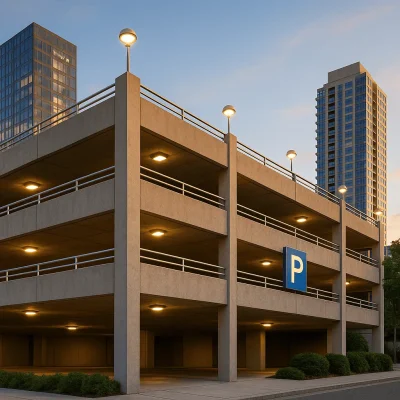
Parking garages in Seattle face unique challenges related to ventilation due to the city's climate, age of infrastructure, and urban density. Proper ventilation is essential to maintain air quality, safety, and structural integrity. Common malfunctions in parking garage ventilation systems include:
- Inadequate airflow causing buildup of harmful vehicle emissions such as carbon monoxide and nitrogen oxides.
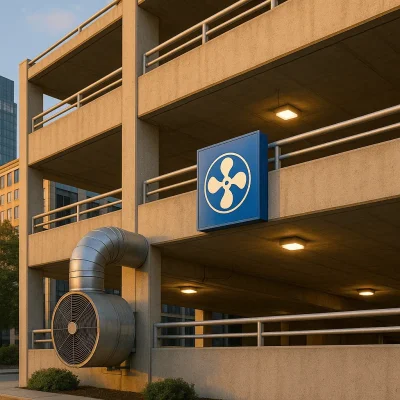
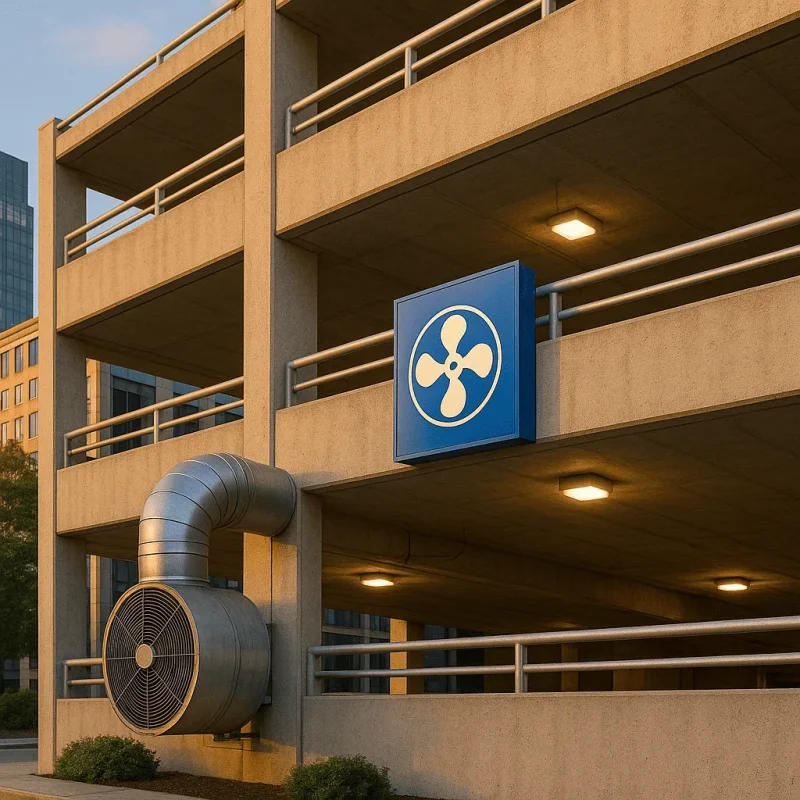
- Corrosion of ventilation ducts and fans due to Seattle's moist environment and salt exposure.
- Mechanical failures of exhaust and supply fans because of wear, dirt accumulation, or aging components.
- Inconsistent ventilation pressure leading to uneven air distribution throughout the garage.
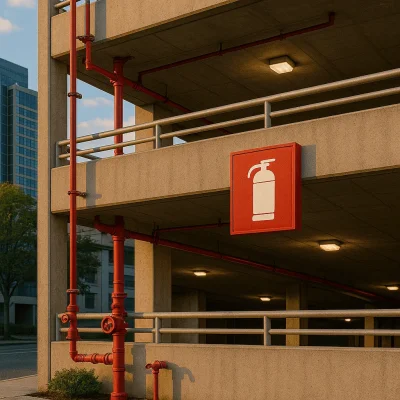
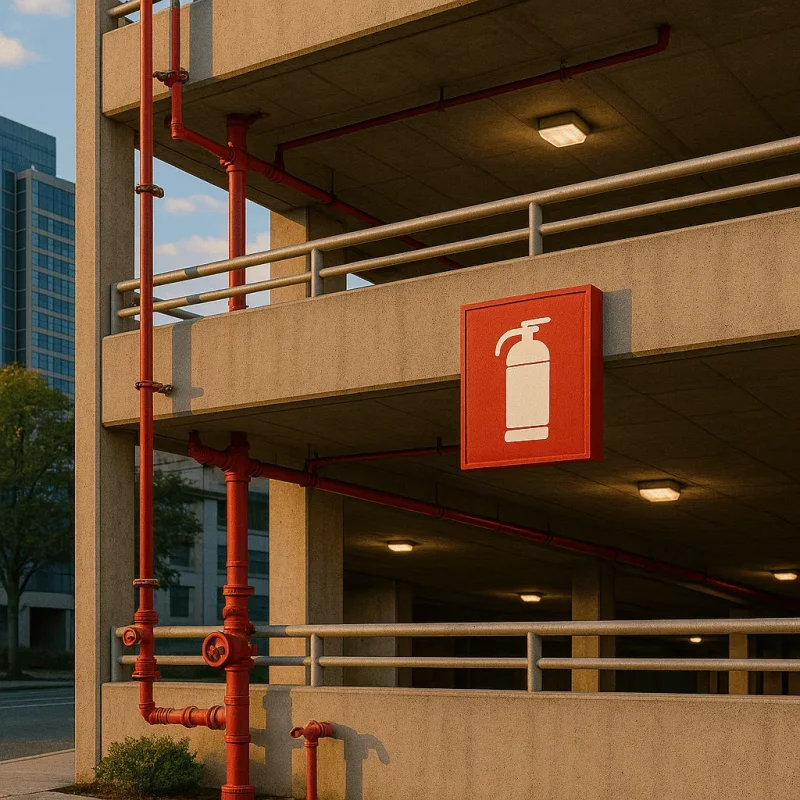
- Poor integration with fire safety systems, resulting in ineffective smoke control during emergencies.
Key Reasons for Ventilation System Repair in Seattle Parking Garages
Repairing parking garage ventilation systems in Seattle often arises from particular factors that affect system performance and longevity. Professional craftsmen frequently identify the following reasons for necessary repairs or upgrades:
- Compliance with evolving Seattle building codes and environmental regulations requiring enhanced air quality control.
- Wear and tear from continuous operation in high-traffic garages near landmarks such as Pike Place Market or downtown office districts.
- Exposure to Pacific Northwest weather conditions causing damage to external ventilation components.
- Upgrades needed for energy efficiency to reduce operational costs in response to Seattle’s sustainable building initiatives.
- Inadequate original design failing to meet current ventilation standards or occupancy demands.
Professional Approaches to Repairing Parking Garage Ventilation in Seattle
Effective repair and restoration of ventilation systems for Seattle parking facilities require a tailored approach that addresses local conditions and regulatory requirements. The repair process usually involves these essential steps:
- Comprehensive inspection and diagnostic testing to identify airflow, mechanical, and electrical issues.
- Replacing or refurbishing ventilation fans, ductwork, or control systems with materials suited for Seattle\'s wet climate.
- Upgrading system components to improve smoke extraction capabilities in case of fire emergencies.
- Ensuring ventilation compliance through integration with Seattle Fire Department\'s safety standards and permitting.
- Final system testing and balancing to confirm efficient operation throughout the entire garage space.
Seattle Parking Garage Ventilation Construction and Remodelling Cost Factors
Estimating costs for ventilation construction or remodeling projects in Seattle requires understanding various influencing factors. Professional craftsmen at Pioneer Remodel consider multiple elements to provide accurate pricing:
- Size and layout of the parking garage, including number of levels and total air volume to be ventilated.
- Condition of existing systems—whether full replacement, partial upgrade, or simple repairs are needed.
- Complexity of installing or retrofitting ductwork and ventilation fans within an existing structural framework.
- Compliance costs associated with Seattle climate regulations, construction permitting, and environmental standards.
- Materials and labor expenses, reflecting the use of corrosion-resistant components to withstand Seattle\'s rainy weather.
Typically, the cost covers initial consultation, system design, material procurement, installation, testing, and final certification. Leveraging local expertise like Pioneer Remodel can streamline the process and ensure value for investment.
Prevention and Maintenance Tips for Seattle Garage Ventilation Systems
Maintaining optimal ventilation in Seattle parking garages is vital to safeguard air quality and system longevity. Regular maintenance reduces the risk of costly repairs and supports regulatory compliance. Key prevention strategies include:
- Scheduling routine inspections and cleaning to prevent dust and debris accumulation that impair fan operation.
- Utilizing corrosion-resistant materials and periodic anti-corrosion treatments suited for Seattle\'s humid environment.
- Implementing a monitoring system to track airflow and pollutant levels, ensuring real-time operational efficiency.
- Collaborating with professional craftsmen experienced in Seattle building codes and ventilation best practices.
- Keeping ventilation components clear of ice or snow blockage during winter months to maintain consistent function.
Conclusion
Seattle parking garage ventilation construction and repair require specialized knowledge to handle local environmental challenges, comply with safety standards, and ensure reliable air quality management—a task expertly managed by Pioneer Remodel\'s professional craftsmen.