


Common Issues with Multifamily Fire Safety Systems in Seattle
Multifamily buildings in Seattle encounter specific fire safety challenges due to the city’s aging housing stock and unique climate conditions. Identifying these common issues early helps property owners ensure safe living environments and compliance with local regulations.
- Outdated Fire Alarm Systems: Many older multifamily buildings have fire alarm systems that do not meet current life safety codes, increasing risks during emergencies.
- Insufficient Emergency Lighting: Poorly maintained or inadequate emergency lighting can lead to dangerous evacuation conditions in the event of power failures or smoke.
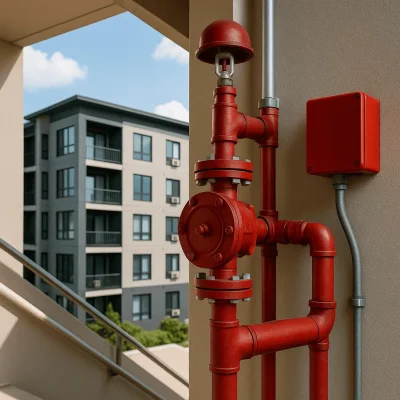
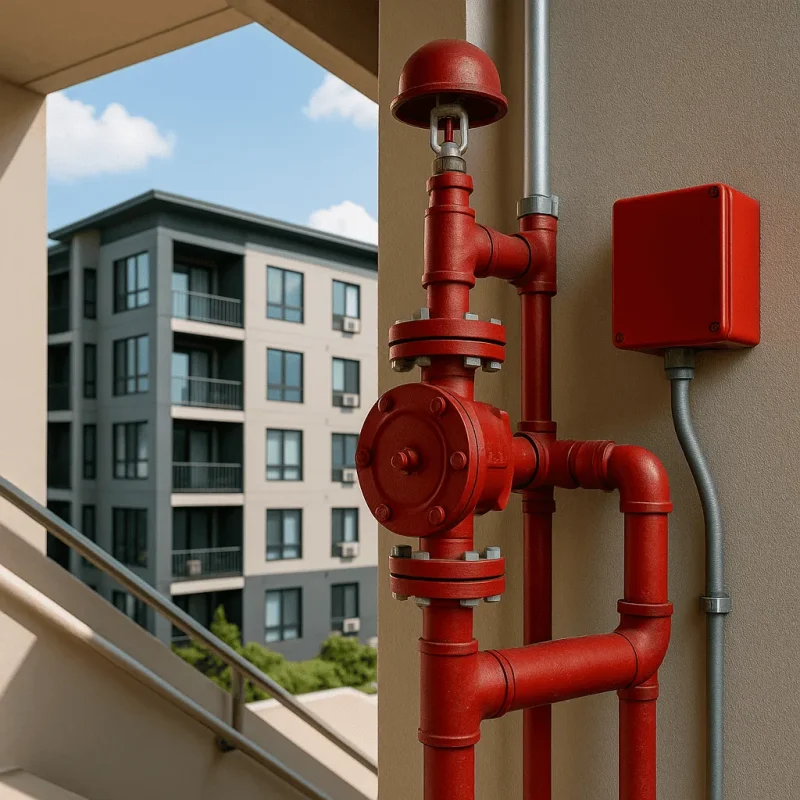
- Faulty Sprinkler Systems: Sprinkler heads clogged with debris or mechanical damages reduce effectiveness in controlling fires rapidly.
- Limited Fire Escape Routes: Seattle\'s neighborhood zoning and building constraints sometimes result in suboptimal egress paths that compromise tenant safety.
- Lack of Proper Smoke Detectors: Smoke alarms that are missing or improperly installed may not detect fires promptly in multifamily units.
Reasons to Upgrade Fire and Life Safety Systems in Seattle Multifamily Properties
Upgrading fire safety systems is essential in Seattle multifamily buildings to protect residents, comply with evolving municipal codes, and preserve property value. Key reasons include:
- Regulatory Compliance: Seattle enforces strict fire safety standards, including recent amendments to the Seattle Fire Code that require life safety upgrades in older multifamily structures.
- Increased Tenant Safety: Modern fire detection and suppression systems greatly reduce risk of injury and fatalities during fire incidents.
- Insurance Benefits: Improved fire safety systems can reduce insurance premiums and decrease liability risks.
- Property Preservation: Effective fire control systems mitigate damage and reduce costly repairs after an incident.
- Enhanced Building Reputation: Demonstrating commitment to resident safety improves tenant satisfaction and occupancy rates in Seattle’s competitive rental market.
How to Effectively Upgrade Fire Safety and Life Systems in Seattle Multifamily Buildings
Seattle property managers and owners should approach upgrades with comprehensive planning and professional execution to meet city requirements and ensure optimal safety.
- Assessment by Licensed Professionals: Partner with experienced contractors familiar with Seattle\'s building codes to evaluate existing fire safety infrastructure.
- Installation of Modern Fire Alarm and Detection Systems: Incorporate interconnected smoke detectors and audible alarms for rapid alerts in all units and common areas.
- Sprinkler System Restoration and Extension: Repair or replace damaged sprinklers and expand coverage where necessary to achieve full protection.
- Emergency Lighting and Exit Signage Upgrades: Ensure reliable power backup systems and clear visual guides meet city fire marshal guidelines.
- Permit Acquisition and Inspections: Navigate Seattle\'s permitting process diligently in coordination with local authorities to guarantee code compliance.
Seattle Multifamily Fire Safety and Life Safety Upgrade Costs Explained
The cost of upgrading fire safety systems in Seattle multifamily properties depends on several project-specific factors. Understanding these helps in budgeting effectively.
- Scope of Repairs and Upgrades: The extent of necessary fixes, such as adding new alarm systems or expanding sprinkler coverage, directly influences costs.
- Building Size and Complexity: Larger or architecturally complex buildings require more materials and labor, increasing total investment.
- Permit and Inspection Fees: Seattle\'s regulatory environment entails specific permits and inspections which affect overall costs.
- Quality of Materials and Equipment: Choosing advanced, reliable fire safety technologies from reputable manufacturers entails higher upfront expenses but offers long-term safety and value.
- Labor by Professional Craftsmen: Skilled technicians specializing in fire system installation and restoration ensure compliance and durability but contribute to labor costs.
Typically, project quotes include assessment, design, materials, installation, permits, and final inspections to provide a comprehensive service package.
Preventive Measures and Maintenance for Fire Safety Systems in Seattle Multifamily Properties
Ensuring continuous protection requires ongoing maintenance and preventive strategies tailored to Seattle\'s local environmental and regulatory context.
- Regular Testing and Inspection: Schedule routine checks of alarms, sprinklers, and emergency lighting to identify issues promptly.
- Professional Servicing by Experts: Engage certified professionals for periodic servicing to maintain system integrity and compliance.
- Tenant Education Programs: Inform residents about fire safety practices and emergency evacuation procedures to enhance overall preparedness.
- Updating Systems According to Code Changes: Keep abreast of Seattle fire safety code updates and upgrade equipment as required to remain compliant.
- Proper Documentation and Record Keeping: Maintain detailed maintenance logs to track system performance and facilitate inspections.
Conclusion
Investing in professional fire safety system upgrades and regular maintenance for multifamily buildings in Seattle ensures the protection of residents, compliance with city laws, and the long-term value of the property, services expertly provided by Pioneer Remodel’s skilled craftsmen.