


Common Issues in Seattle Multifamily Interior Demolition Projects
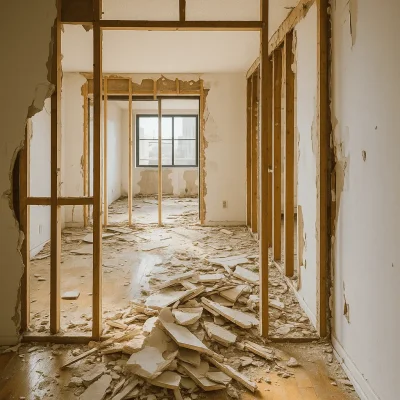
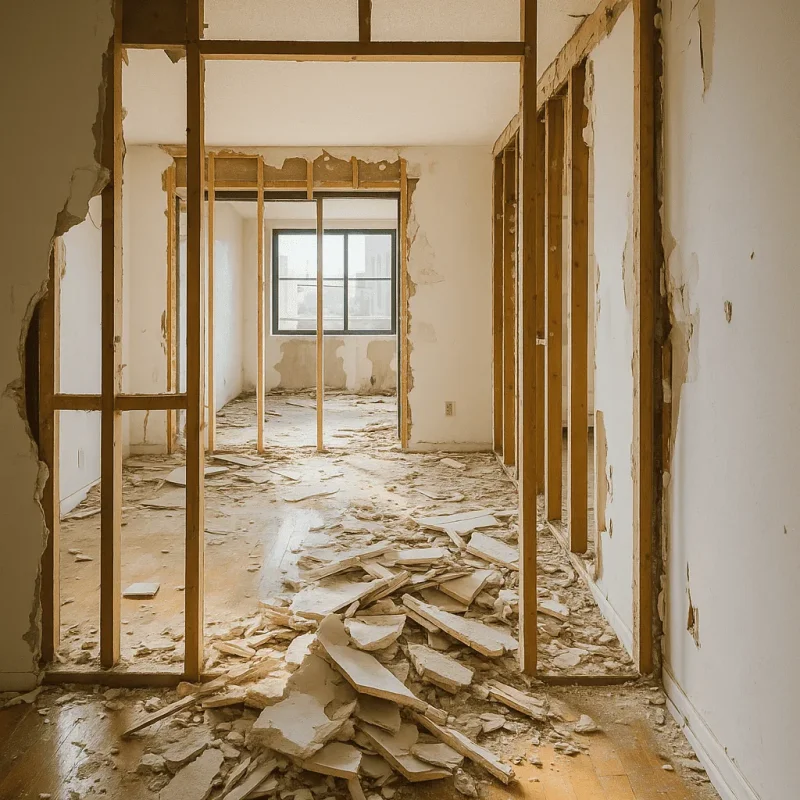
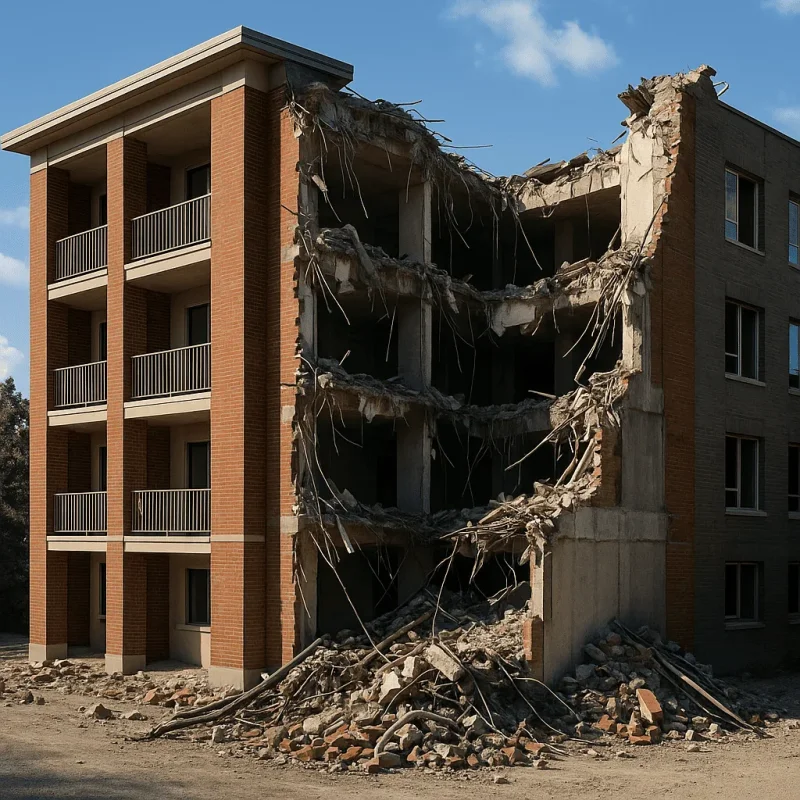
Multifamily interior demolition in Seattle requires addressing unique challenges due to the city’s older housing stock and dense urban environment. Professional craftsmen often encounter the following common issues during demolition for renovation:
- Structural complexity: Many buildings feature outdated framing and load-bearing walls that require careful planning before demolition.
- Asbestos and lead paint: Older multifamily buildings in neighborhoods like Capitol Hill or Ballard may contain hazardous materials needing specialized removal.
- Noise and dust control: In tightly packed areas such as downtown Seattle, managing construction noise and dust to minimize disruption is critical.
- Permit requirements: Compliance with Seattle’s strict environmental and safety regulations is mandatory before commencing interior demolition.
- Utility disconnections: Coordinating the safe disconnection of water, electrical, and gas lines inside multifamily units is essential to avoid delays or hazards.
Primary Reasons for Interior Demolition in Seattle Multifamily Renovations
Understanding why interior demolition is needed helps property owners make informed decisions. Common reasons for multifamily interior demolition in Seattle include:
- Modernizing layout: Updating old unit configurations to create open floor plans that appeal to today’s rental market.
- Replacing outdated systems: Removing obsolete plumbing, electrical wiring, and HVAC components to improve safety and efficiency.
- Addressing damage: Eliminating areas affected by water leaks, mold, or pest infestations common in Seattle’s rainy climate.
- Enhancing value: Restoring and improving interiors increases property marketability in competitive neighborhoods like Fremont or Queen Anne.
- Code compliance: Ensuring units meet current building codes and accessibility standards during comprehensive renovation.
How to Approach Multifamily Interior Demolition for Renovation in Seattle
Successful multifamily demolition projects require well-planned steps tailored to Seattle’s local conditions. Key approaches include:
- Engaging professional craftsmen: Hiring experienced contractors familiar with Seattle’s permitting process and environmental regulations ensures smooth execution.
- Obtaining necessary permits: Securing demolition and waste disposal permits from the Seattle Department of Construction & Inspections before work begins.
- Conducting hazardous material surveys: Testing for asbestos, lead paint, and other hazards to ensure removal complies with state laws.
- Implementing containment measures: Using dust barriers and sound dampening in multifamily buildings to protect residents and neighboring properties.
- Planning waste management: Coordinating debris removal with local recycling facilities to minimize landfill impact and adhere to Seattle’s green initiatives.
Factors Influencing Remodelling Cost for Interior Demolition in Seattle Multifamily Buildings
The cost of interior demolition for multifamily renovations in Seattle varies based on several important factors. Understanding these helps property owners budget effectively:
- Project size and scope: The total square footage and extent of demolition required directly impact pricing.
- Hazardous material removal: Abatement of asbestos or lead paint involves specialized labor and disposal fees.
- Permit and inspection fees: Seattle’s regulatory requirements add to the overall costs but ensure safety and compliance.
- Building type and age: Older buildings in neighborhoods like West Seattle may require more intricate demolition due to structural complexities.
- Waste disposal and recycling: Responsible disposal methods reflecting Seattle’s environmental standards influence cost considerations.
- Labor expertise: Employing skilled craftsmen experienced in multifamily interior demolition drives quality but affects pricing.
The remodelling cost typically covers site preparation, demolition labor, hazardous material handling, debris removal, and final cleanup. Transparent cost discussions with your contractor ensure no unexpected expenses arise during the project.
Prevention and Maintenance Tips for Seattle Multifamily Renovation Projects
Proper prevention and maintenance enhance the longevity of multifamily renovations following interior demolition. Consider these tips to protect your investment:
- Regular inspections: Schedule periodic checks for water infiltration, mold, and structural issues common in Seattle’s moist climate.
- Maintain roofing and gutters: Prevent leaks by keeping roofing systems and gutters clear and in good repair.
- Upgrade ventilation: Promote airflow within units to reduce moisture buildup and maintain healthy living environments.
- Implement pest control: Proactively addressing potential pest problems prevents damage and health concerns.
- Use quality materials: Choosing durable, moisture-resistant finishes and fixtures safeguards interiors over time.
Partnering with experts like Pioneer Remodel ensures your multifamily renovation incorporates sustainable solutions tailored to Seattle’s unique environment.
Conclusion
Seattle multifamily interior demolition for renovation demands expertise, careful planning, and adherence to local regulations to ensure safe, efficient, and successful outcomes with Pioneer Remodel’s professional craftsmen ready to assist.