


Common Challenges in Seattle Multifamily Playground Construction and Renovation
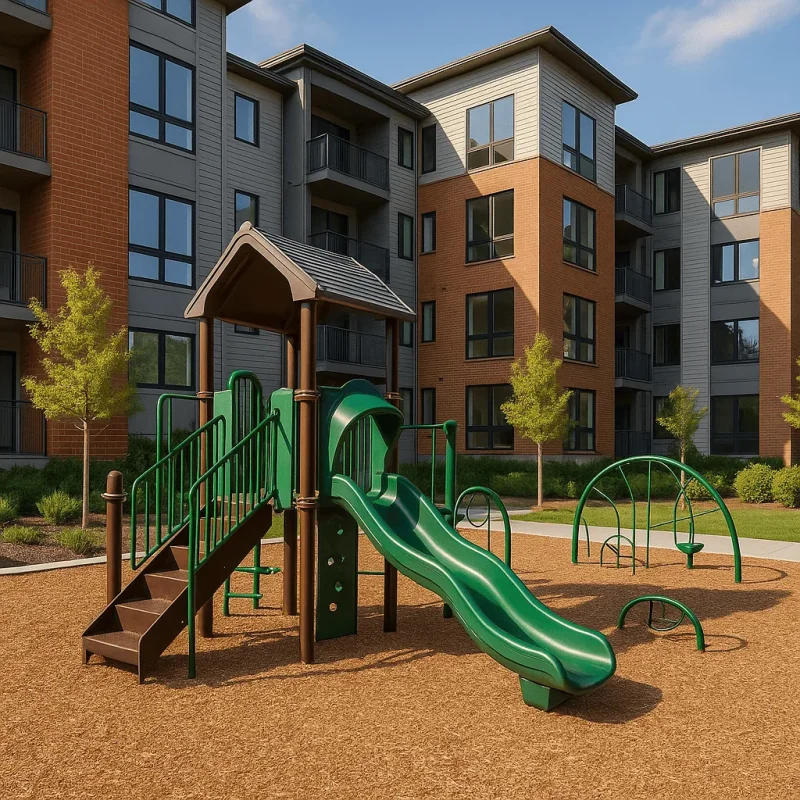
Multifamily playground construction and renovation in Seattle involve addressing several unique challenges due to the city\'s urban environment and local regulations. Recognizing these common issues helps property owners and developers ensure safe and attractive recreational spaces that comply with city standards.
- Space Limitations: Seattle\'s dense residential neighborhoods often present limited outdoor space for playgrounds, requiring efficient design solutions that maximize usability within tight footprints.
- Compliance with Safety Regulations: The city mandates strict adherence to playground safety standards, including use of impact-absorbing surfaces and proper equipment spacing to minimize injury risk.
- Weather Durability: Seattle\'s frequent rain and damp climate necessitate construction materials and finishes that resist moisture damage and maintain longevity.
- Accessibility Requirements: Multifamily properties must provide playgrounds accessible to children with disabilities, in compliance with the Americans with Disabilities Act (ADA) and local guidelines.
- Maintenance Demands: Regular upkeep is essential to preserve play structures and safety features, considering the wear caused by multiple families and variable weather conditions.
Key Reasons to Invest in Playground Repair and Renovation in Seattle Multifamily Properties
Repairing and renovating playgrounds in Seattle multifamily complexes is critical to preserving tenant satisfaction and property value. Understanding the key motivations behind these improvements highlights their importance.
- Ensuring Child Safety: Over time, wear and structural issues may develop in playground equipment, posing hazards that timely repairs can mitigate.
- Enhancing Property Appeal: Updated and well-maintained playgrounds contribute to a family-friendly atmosphere, attracting tenants in competitive Seattle rental markets.
- Compliance with Updated Codes: Renovations help multifamily properties meet evolving city and state safety and accessibility codes.
- Extending Equipment Lifespan: Timely restoration prevents minor issues from escalating, protecting the investment in playground infrastructure.
- Environmental and Sustainable Upgrades: Repair projects often allow integration of eco-friendly materials and designs reflecting Seattle\'s commitment to sustainability.
How to Effectively Repair and Renovate Multifamily Playgrounds in Seattle
Successful playground repair and renovation requires a strategic approach that addresses design, safety, and durability, especially in Seattle\'s unique urban environment.
- Assessment and Inspection: Begin with a professional evaluation to identify structural wear, safety hazards, and code compliance issues.
- Planning and Permitting: Work with experienced contractors to design renovations aligned with Seattle city regulations, obtaining necessary permits from local authorities.
- Material Selection: Choose weather-resistant, sustainable, and safe materials suitable for Seattle\'s rainy climate and intensive family use.
- Professional Construction and Repair: Engage skilled craftsmen familiar with multifamily playground construction to ensure quality workmanship and safety standards.
- Testing and Certification: Post-renovation, conduct thorough safety testing and obtain certifications as required by Seattle\'s municipal codes.
- Maintenance Planning: Establish ongoing maintenance schedules with clear responsibilities to preserve playground condition long-term.
Factors Influencing Remodeling Costs for Seattle Multifamily Playground Projects
Estimating the cost of playground construction or renovation in Seattle multifamily settings involves several variables that affect the overall budget.
- Scope of Work: The extent of repair versus new construction directly influences labor and material expenses.
- Material Choices: High-quality, durable materials designed for Seattle\'s weather typically increase costs but reduce future repairs.
- Design Complexity: Customized play structures or incorporating accessibility features can elevate project pricing.
- Site Conditions: Limited space and urban challenges add logistical complexity and potential costs.
- Permitting and Inspections: Complying with Seattle\'s regulatory process involves fees and potential design adjustments impacting cost.
- Contractor Expertise: Hiring professional craftsmen and licensed construction teams ensures quality but may reflect higher costs.
Included in remodeling costs are design consultations, materials, labor, permits, safety testing, and final site cleanup, ensuring a comprehensive service experience.
Preventative Measures and Maintenance Tips for Seattle Multifamily Playgrounds
Consistent maintenance and preventative steps safeguard playground longevity and safety in Seattle multifamily communities.
- Regular Safety Inspections: Schedule frequent professional checks to detect early signs of wear or hazards.
- Weatherproofing Treatments: Apply sealants and protective coatings to guard equipment against Seattle\'s wet climate.
- Prompt Repairs: Address minor damages and surface wear immediately to prevent escalation.
- Cleaning Routines: Maintain clean play areas by removing debris and ensuring drainage systems function properly.
- Tenant Education: Encourage residents to report playground issues and respect equipment limits.
By partnering with professional craftsmen and repair specialists such as Pioneer Remodel, Seattle multifamily property managers can implement effective maintenance programs tailored to local conditions.
Conclusion
Seattle multifamily playground construction and renovation demand specialized skills, local expertise, and a comprehensive approach to safety, design, and maintenance to enhance community spaces effectively.