


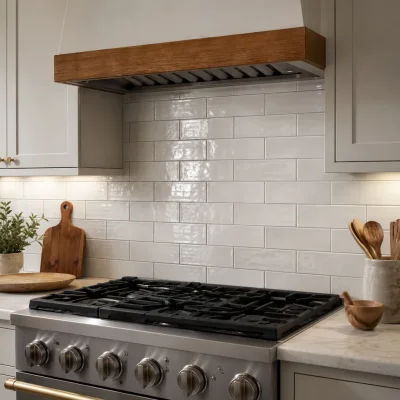
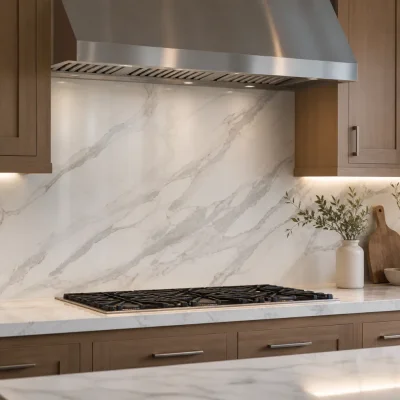
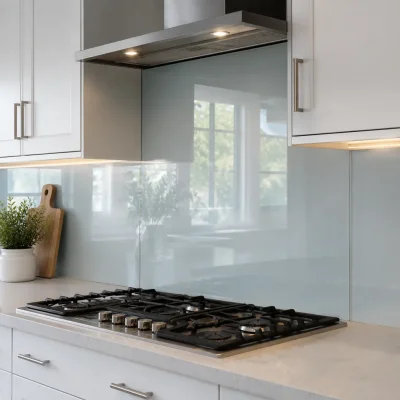
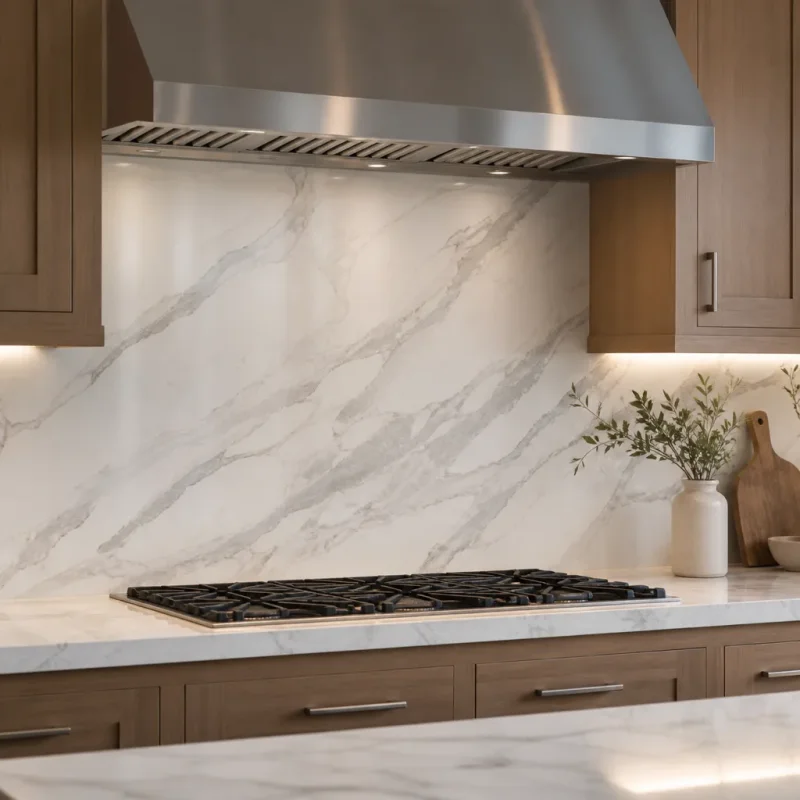
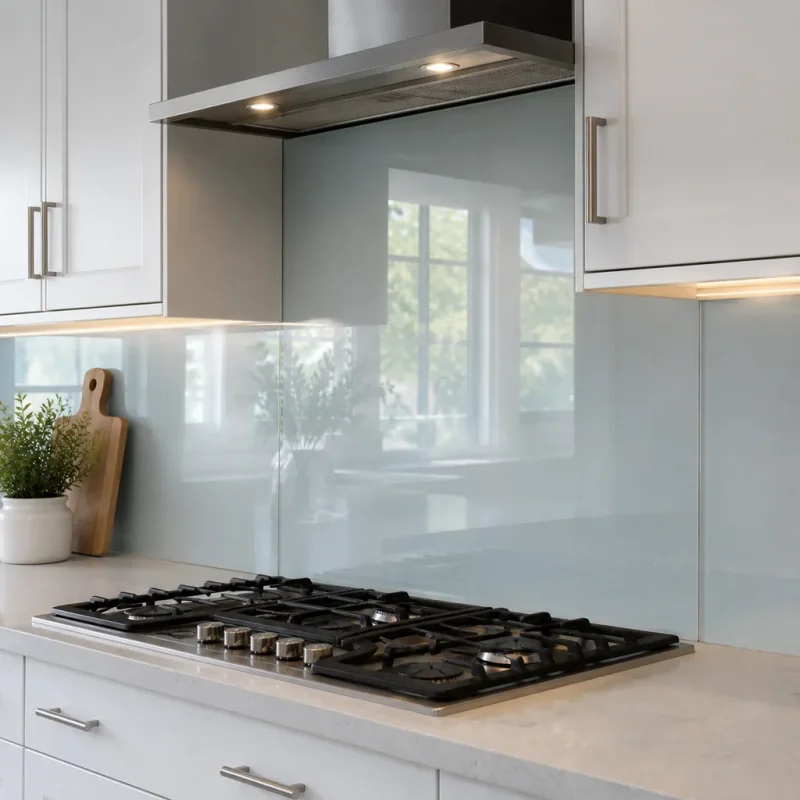
Common malfunctions with kitchen slab backsplashes in Seattle
A full-height kitchen slab backsplash is durable, sanitary, and striking, yet Seattle\'s climate, older housing stock, and seismic activity can expose weak spots. Pioneer Remodel addresses these issues with construction-grade methods and precise stone work tailored to homes in Ballard, Capitol Hill, Queen Anne, and West Seattle.
- Water intrusion at seams or range edges causing staining, swelling of substrates, and mildew, intensified by Seattle\'s humidity.
- Cracked stone or quartz from building settlement or minor seismic movement; hairline fractures radiating from outlet cutouts.
- Adhesive failure where paint, plaster, or old tile were not properly prepped; slab detachment or hollow spots.
- Discoloration of silicone and grease buildup near cooktops; etching on marble and soapstone; UV fading on some resins by bright windows.
- Poor scribe against wavy walls in older Craftsman homes, leaving gaps visible under task lighting.
- Misaligned outlets, oversized cutouts, or short box extensions causing unsafe, uneven device plates.
Repair reasons and when replacement makes sense
Owners in Seattle request repair or restoration to protect investment, improve hygiene, and refresh design in compact urban kitchens near the Space Needle or Pike Place Market condos.
- Restore function after leaks, steam exposure, or groutless joint failure; prevent recurring moisture damage.
- Upgrade from a short, tiled splash to a seamless slab for fewer joints and easier cleaning.
- Modernize veining, color, and finishes to match new counters, cabinets, or open-shelf layouts.
- Improve resale appeal; buyers in the city value durable, low-maintenance surfaces and professional craftsmanship.
- Rework outlets, switches, and pot-filler penetrations to meet current code and everyday use.
How to repair or replace: our professional craftsmen process
Pioneer Remodel delivers efficient repair, careful restoration, and precision installation for kitchen slab backsplashes in Seattle, integrating construction best practices with fine stone work.
- Assessment: map cracks, check substrate, moisture, and venting; verify range clearance and cabinet plumb.
- Permits and coordination: when relocating electrical or moving gas lines, follow city requirements for safe remodeling.
- Templating: laser measure and create templates that scribe to uneven walls without excessive caulk lines.
- Material guidance: quartz, porcelain/sintered stone, granite, marble, or quartzite; discuss heat zones, sealing, and bookmatching.
- Surface prep and demo: protect finishes, remove tile or failed slabs, flatten walls, prime, and add waterproofing where needed.
- Fabrication: precise outlet cutouts, vent openings, and seams aligned to vein flow; polish and ease edges.
- Installation: set with appropriate adhesives and mechanical support; seal, silicone, and re-seat devices with box extensions.
- Quality check: level, seam tightness, finish consistency, and clean handoff with care guidelines.
Remodelling cost: factors, ranges, and what\'s included
Final cost varies by scope and selections; Seattle access conditions and building rules can influence schedule and logistics in downtown towers.
- Material tier and thickness: marble and quartzite may need additional sealing and handling; large-format porcelain minimizes seams.
- Height and coverage: full-height to uppers, window returns, and wrap-around corners add fabrication time.
- Complexity: bookmatched veins, mitered corners, niche shelves, or integral ledges increase labor.
- Wall condition and demo: removal of old tile, patching, and flattening affect preparation time.
- Electrical/plumbing adjustments: outlet relocation, dimmer upgrades, or pot-filler penetrations require licensed trades.
- Inclusions: site measure, templating, fabrication, cutouts, scribing, installation, sealing (if applicable), surface protection, and a workmanship warranty.
- Typical ranges: budget-friendly refresh with minimal demo up to premium, fully bookmatched designs; our team explains options without surprises.
Prevention and maintenance
Clean daily with a soft cloth and pH-neutral cleaner; avoid abrasive pads and harsh acids. For marble or natural stone, follow a regular sealing schedule recommended by the manufacturer and your installer. Immediately wipe splashes from tomato, citrus, oil, and wine to prevent etching or staining. Use a strong vent hood to reduce grease film that can discolor joints around a range.
Inspect silicone lines near sinks and ranges twice a year; if you see separation or mildew, schedule prompt repair to prevent water migration behind the slab. In Seattle\'s seismic zone, slightly flexible, high-quality silicone at perimeter joints helps absorb minor movement. Where sunlight is intense, consider UV-stable materials or window treatments to preserve color.
Benefit from Pioneer Remodel\'s integrated construction, repair, and restoration expertise: coordinated trades, dust control, careful protection of finishes, and clear timelines. Ready to upgrade your kitchen slab backsplash in Seattle? Request a design and site assessment, and our professional craftsmen will guide selections and installation from concept to completion.
Conclusion
Pioneer Remodel elevates kitchen slab backsplash projects in Seattle with precise construction, repair, and restoration—partner with our professional craftsmen to achieve durable stone work and a cleaner, brighter cooking space.