


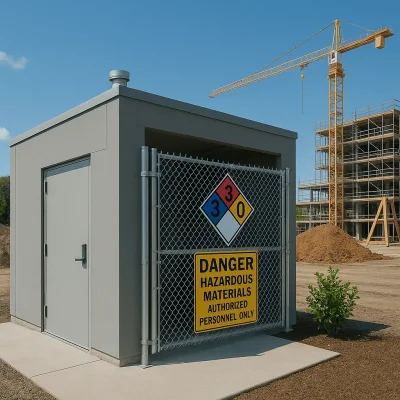
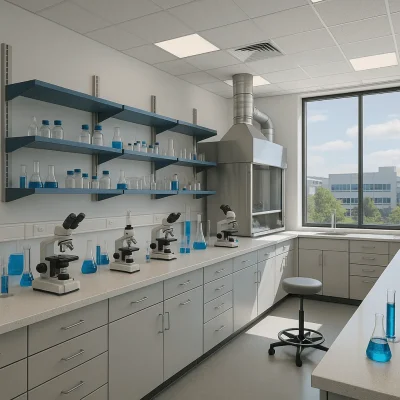
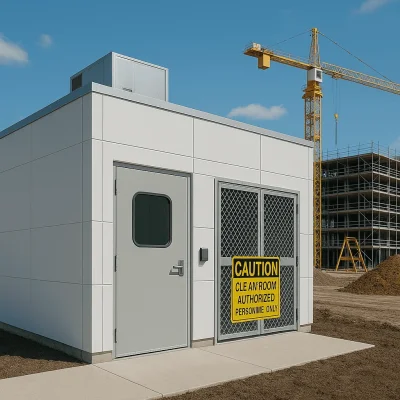
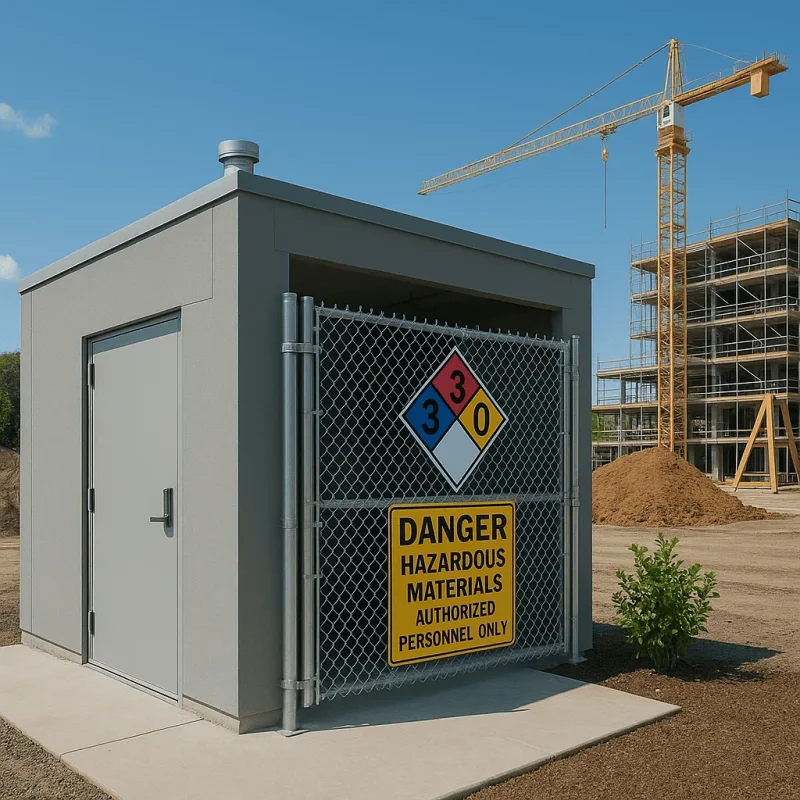

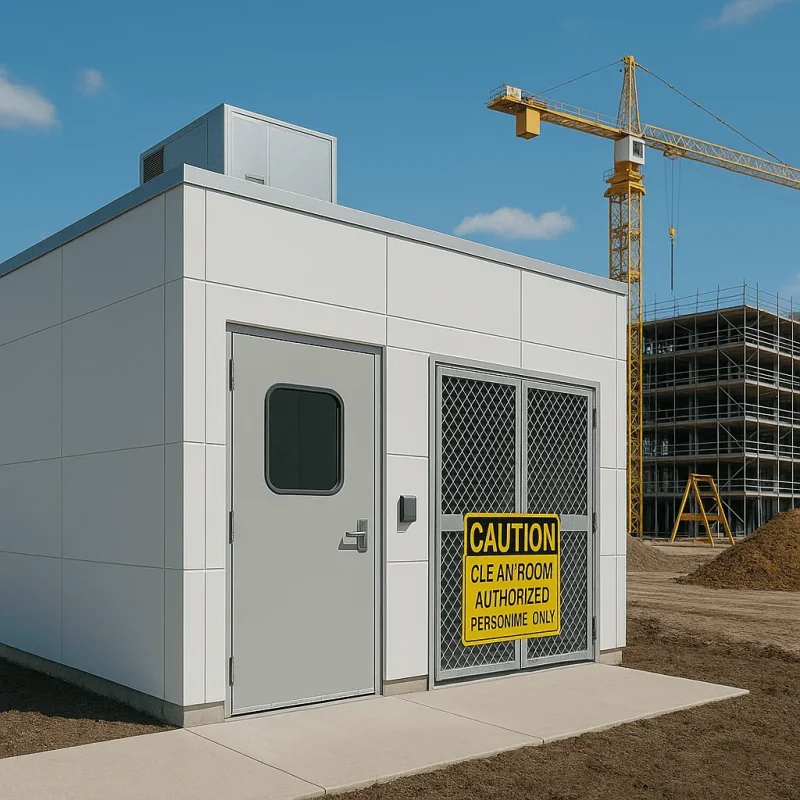
Common Challenges in Seattle Hazmat Storage Construction
Constructing hazardous materials storage facilities in Seattle presents unique challenges due to the city\'s specific environmental regulations and urban constraints. Professional craftsmen must address these common issues to ensure safety and compliance:
- Strict adherence to Seattle and Washington state environmental regulations concerning hazardous waste containment.
- Designing storage with appropriate ventilation to handle toxic fumes in dense urban neighborhoods.
- Ensuring structural integrity to withstand Pacific Northwest seismic activity.
- Managing limited space in areas such as Pioneer Square and South Lake Union, requiring efficient use of available land.
- Implementing fire-resistant construction materials to meet stringent local fire codes.
- Integration with existing infrastructure to minimize disruption in Seattle\'s busy commercial districts.
Key Reasons for Repair and Restoration in Seattle Hazmat Storage
Hazmat storage facilities in Seattle often require repair and restoration due to various factors impacting their safety and functionality. Understanding these reasons helps in maintaining compliance and operational integrity:
- Corrosion caused by exposure to harsh chemical agents common in industrial Seattle sectors.
- Damage from seismic events frequent in the Pacific Northwest, affecting storage stability.
- Wear and tear on containment seals compromising hazardous material safety.
- Outdated construction not meeting current Seattle building codes and environmental standards.
- Damage from weather elements, including heavy rainfall and salt air near Puget Sound.
- Inadequate ventilation systems leading to hazardous vapor build-up.
How to Repair Seattle Hazmat Storage Facilities Properly
Effective repair and restoration require a strategic approach executed by professional craftsmen specializing in hazardous storage construction in Seattle. Recommended steps include:
- Conduct a thorough inspection to identify structural weaknesses and contamination risks.
- Obtain necessary permits from local authorities such as the Seattle Department of Construction and Inspections.
- Use corrosion-resistant and fire-retardant materials specifically approved for hazmat containment in the Seattle area.
- Upgrade ventilation and containment systems to meet or exceed current environmental safety standards.
- Implement seismic retrofitting techniques to enhance earthquake resilience.
- Engage certified hazardous materials handling professionals to ensure safe removal and replacement of damaged components.
Seattle Hazmat Storage Construction Cost Factors
The cost of constructing or repairing hazardous materials storage in Seattle varies based on several key factors that reflect the city\'s regulatory environment and construction demands. When budgeting, consider:
- Permit acquisition and compliance costs specific to Washington state and Seattle regulations.
- Selection of specialized materials that offer resistance to chemical exposure and fire hazards.
- Complexity of design required to fit limited urban spaces while maximizing safety.
- Seismic strengthening measures necessary for Pacific Northwest construction.
- Labor costs associated with hiring professional craftsmen experienced in hazmat facility construction in Seattle.
- Inclusion of advanced ventilation, containment, and monitoring systems to ensure environmental compliance.
These factors collectively define the range of expenses and what is included in professional construction and restoration projects undertaken by Pioneer Remodel in Seattle.
Prevention and Maintenance of Hazmat Storage in Seattle
Effective prevention and maintenance ensure the longevity and compliance of hazardous storage facilities in Seattle\'s challenging environment. Recommended practices include:
- Regular inspections by qualified professionals to detect early signs of wear or contamination.
- Routine maintenance of ventilation and containment systems to prevent hazardous buildup.
- Compliance monitoring aligned with Seattle and Washington state environmental regulations.
- Protective coatings application to prevent corrosion from moisture and chemical exposure.
- Seismic resilience evaluations and upgrades to withstand earthquake risks.
- Staff training for proper handling and emergency protocols specific to Seattle\'s hazmat storage standards.
Conclusion
Seattle hazmat storage construction demands meticulous attention to safety, regulatory compliance, and specialized craftsmanship, making professional services like Pioneer Remodel essential for secure and reliable facility development.