


Common Challenges in Seattle Warehouse Ramp Construction
Constructing warehouse ramps in Seattle involves addressing several common challenges that are unique to the city’s climate and industrial environment. Professional craftsmen in Seattle often encounter issues related to:
- Uneven terrain and soil stability due to the city’s hilly landscape
- Heavy rainfall and moisture control requirements to prevent deterioration
- Meeting local building codes and regulations, especially in industrial zones near landmarks like the Port of Seattle
- Space constraints in densely built neighborhoods such as Ballard and SoDo
- Ensuring load capacity and durability for frequent forklift and heavy equipment use
Key Reasons to Repair or Upgrade Warehouse Ramps in Seattle
Maintaining operational efficiency and safety in warehouse environments requires timely repair and refurbishment. Common reasons Seattle warehouses seek ramp construction and repair include:
- Wear and tear from constant forklift traffic and heavy loading
- Damage due to Seattle\'s wet climate leading to rust or concrete degradation
- Updating access solutions to comply with evolving safety standards and ADA requirements
- Expanding warehouse facilities or reconfiguring layouts to improve logistical flow
- Addressing damage from accidental impacts or seismic activity common to the Pacific Northwest region
Effective Methods for Repairing and Constructing Warehouse Ramps
Experienced Seattle-based construction professionals utilize a range of techniques to ensure functional and durable warehouse ramp solutions. These methods include:
- Subgrade stabilization to prevent settling in Seattle\'s varying soil conditions
- Use of corrosion-resistant materials suitable for the Pacific Northwest\'s moist environment
- Precision concrete pouring and finishing to improve surface traction and durability
- Installation of modular ramp systems to accommodate space restrictions in urban warehouse districts
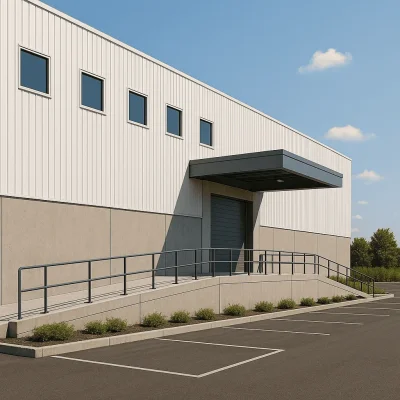
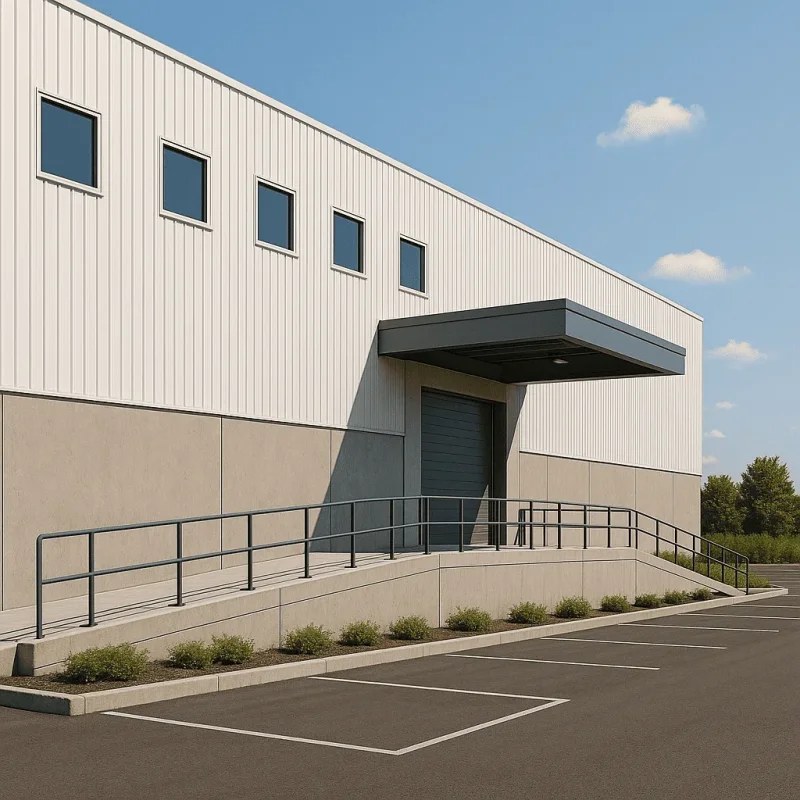
- Integration of compliant handrails, guardrails, and edge protections per local safety codes
Understanding Seattle Warehouse Ramp Construction Costs
The cost of constructing or renovating warehouse ramps in Seattle depends on several factors that professional contractors like Pioneer Remodel carefully consider. Pricing typically involves:
- Material selection such as steel, aluminum, or concrete, each offering different durability and cost points
- Ramp length, incline, and width requirements based on warehouse specifications and equipment used
- Permit fees and compliance costs associated with Seattle’s municipal regulations
- Site preparation needs, including excavation and grading for uneven or sloped lots common in the city
- Labor costs driven by the complexity of access solutions and installation timelines
These aspects ensure that the final pricing covers comprehensive services from design and permitting through to professional finishing, providing long-term value to warehouse operations in Seattle.
Prevention and Maintenance Tips for Warehouse Ramps in Seattle
To maximize the lifespan of warehouse ramps and maintain safe access in Seattle\'s demanding environment, consider these maintenance strategies:
- Regular inspections to identify wear or damage early, especially after seasonal weather changes
- Application of sealants or coatings that protect surfaces from moisture infiltration and corrosion
- Prompt repair of cracks or structural issues to prevent escalation
- Ensuring drainage systems are clear to avoid pooling and water damage
- Periodic cleaning to remove debris, oil, and other contaminants that reduce traction
Proactive maintenance performed by professional craftsmen ensures safe warehouse operations and reduces costly downtime.
Conclusion
For reliable warehouse ramp construction and access solutions in Seattle, Pioneer Remodel provides expert repair, restoration, and professional craftsmanship tailored to the city’s unique industrial needs.