


Common Challenges in Hotel Interior Demolition in Seattle
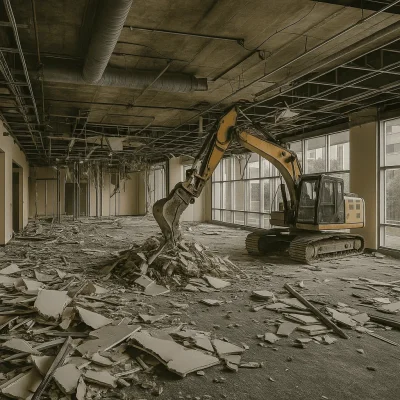
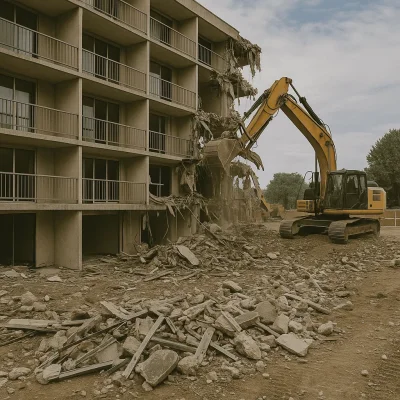
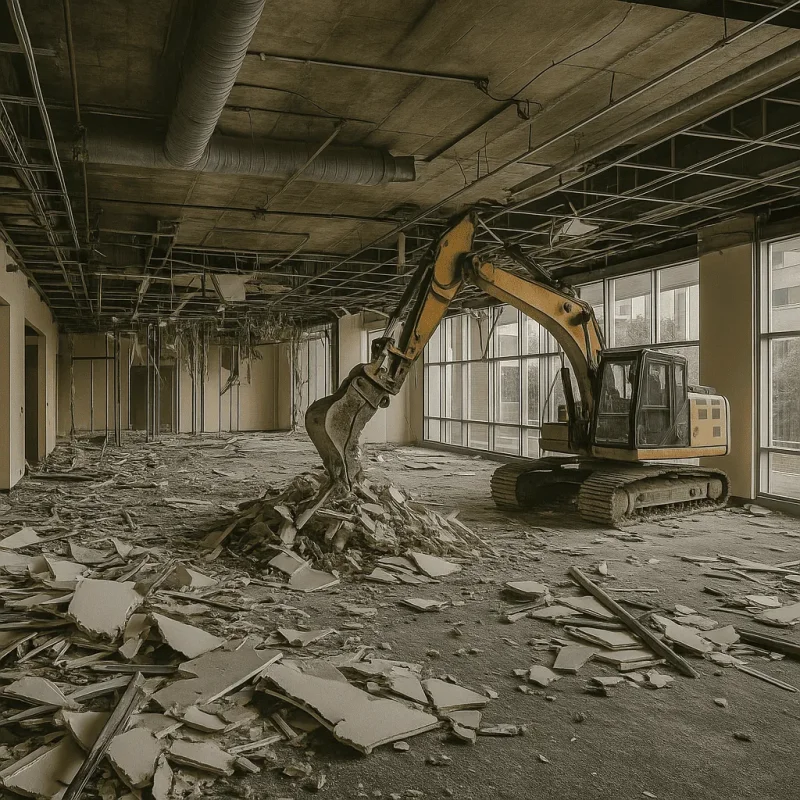
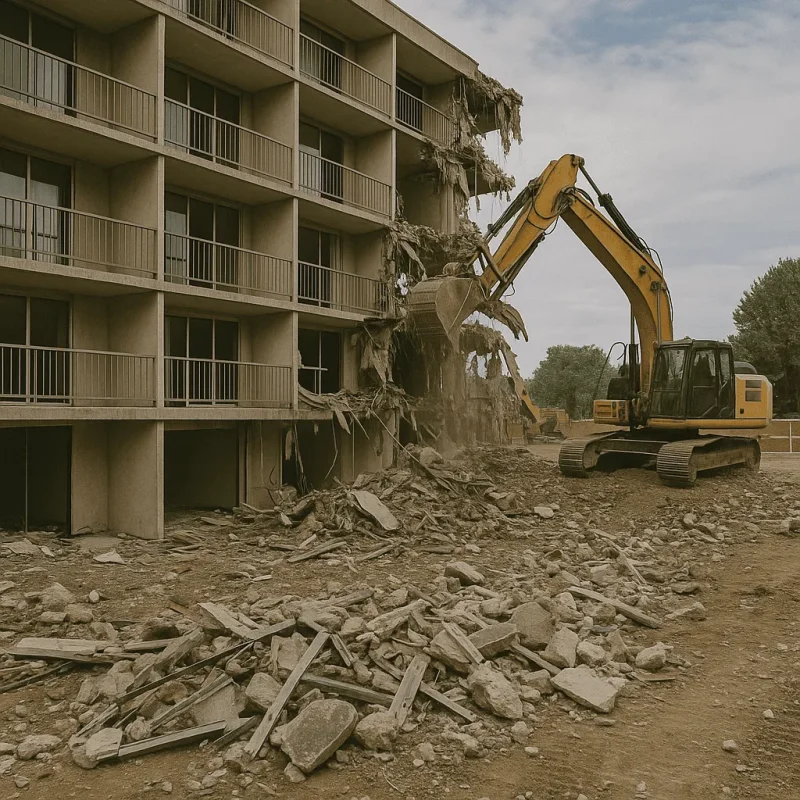
Hotel interior demolition in Seattle involves unique challenges due to the city's diverse building stock and regulatory environment. Professional craftsmen conducting demolition work must navigate several common issues to ensure successful project completion.
- Asbestos and hazardous materials: Many older hotels in Seattle, particularly near the downtown and Capitol Hill areas, were constructed before modern environmental regulations. Safe removal of asbestos and lead-based paints is essential to protect workers and guests.
- Structural complexity: Hotels often have intricate layouts with load-bearing walls and integrated mechanical systems requiring precise planning to avoid compromising building stability during demolition.
- Limited space and noise restrictions: Urban locations like Belltown and Pioneer Square demand careful scheduling and noise control to minimize disturbances to surrounding businesses and residents.
- Permit and regulatory compliance: Seattle has strict permitting processes for demolition work, including environmental impact assessments and compliance with city codes.
- Time-sensitive operations: Hotel demolition projects often operate under tight timelines to reduce downtime and allow for renovation or reconstruction to proceed.
Key Reasons for Undertaking Hotel Interior Demolition in Seattle
Hotel owners and property managers in Seattle pursue interior demolition to facilitate various improvements and comply with modern standards. Understanding the reasons behind demolition work helps guide restoration and remodeling efforts.
- Modernization and upgrades: Outdated interiors may no longer meet the expectations of travelers visiting Seattle\'s vibrant neighborhoods such as Queen Anne or South Lake Union.
- Safety and code compliance: Installing modern fire suppression systems, ADA-compliant facilities, and energy-efficient features often requires removing existing interior structures.
- Expansion and reconfiguration: Interior demolition enables reconfiguring guest rooms, lobbies, and conference spaces to increase capacity or improve functionality.
- Damage repair and restoration: Addressing water damage, mold, or structural wear common in Seattle\'s damp climate often necessitates partial or complete demolition.
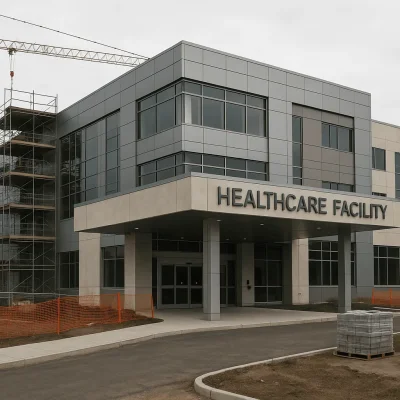
- Preparation for new construction phases: Demolition is a critical step before remodeling, rebuilding, or converting hotel spaces into alternative uses.
How Professional Hotel Interior Demolition is Performed in Seattle
Effective hotel interior demolition in Seattle relies on expert planning, experienced craftsmen, and adherence to local regulations. The process includes several essential steps to ensure safety and efficiency.
- Comprehensive assessment and planning: Detailed inspections determine hazardous materials, structural elements, and systems to be removed or preserved.
- Obtaining necessary permits: Coordination with Seattle\'s permitting offices ensures compliance with environmental and building codes.
- Controlled material removal: Delicate interiors, including fixtures and finishes, are carefully dismantled to reduce damage and enhance recycling or disposal processes.
- Waste management and recycling: Segregation and responsible disposal of materials minimize environmental impact in line with Seattle\'s sustainability goals.
- Safety protocols: Use of protective equipment, dust control, and secure site barriers protect workers and the public in high-traffic urban areas.
Remodelling Cost Factors for Hotel Interior Demolition in Seattle
Costs associated with hotel interior demolition in Seattle depend on multiple factors related to scope, complexity, and site conditions. Understanding these variables helps stakeholders budget appropriately.
- Size and scope of demolition: Larger hotels or more extensive interior removal commands higher labor and disposal costs.
- Presence of hazardous materials: Asbestos and lead abatement process increases cost due to specialized labor and disposal.
- Structural considerations: Demolition involving load-bearing elements or complex mechanical systems requires advanced techniques and expertise.
- Permitting and inspection fees: Compliance with Seattle\'s municipal regulations entails fees that contribute to overall expenses.
- Waste disposal and recycling: Volume of debris and methods of disposal impact transportation and landfill fees.
The quoted cost usually includes labor by professional craftsmen, equipment rental, hazardous material handling, debris removal, and compliance oversight. Frontier Remodel can provide tailored estimates considering project specifics to optimize renovation budgets.
Prevention and Maintenance Strategies Post-Demolition in Seattle Hotels
Following interior demolition and remodeling, Seattle hotel owners can implement several practices to maintain updated, safe, and functional environments, extending the value of restoration efforts.
- Regular inspections: Scheduled assessments of structural and system condition help detect early signs of wear or damage.
- Preventive maintenance: Routine servicing of HVAC, plumbing, and electrical systems reduces potential failures in moist Pacific Northwest climate.
- Environmental controls: Moisture barriers and ventilation improvements prevent mold growth common in Seattle\'s rainy weather.
- Upgrading safety features: Periodic review and enhancement of fire suppression, emergency exits and accessibility comply with evolving codes.
- Staff training: Educating maintenance teams on early fault detection and proper care prolongs facility lifespan.
Conclusion
Professional hotel interior demolition in Seattle demands skilled craftsmanship, thorough planning, strict compliance with local regulations, and attention to environmental and safety concerns, making Pioneer Remodel a trusted partner for seamless restoration and remodeling projects.