


Common Challenges in Ambulance Bay Construction in Seattle Healthcare Facilities
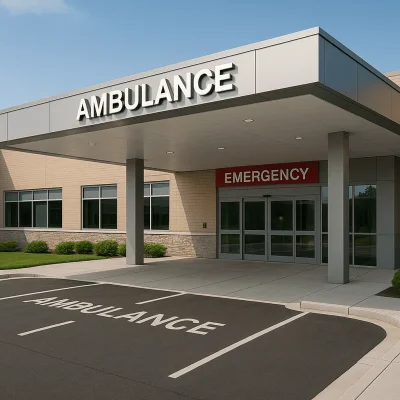
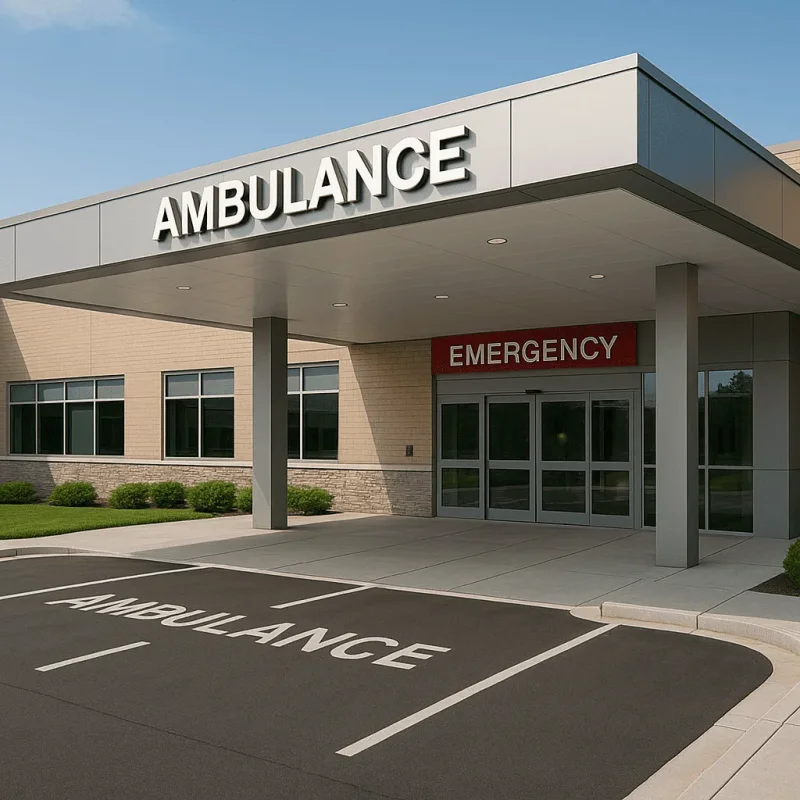
Ambulance bay construction presents unique challenges in Seattle healthcare facilities due to the city’s diverse climate, urban density, and stringent building regulations. Recognizing these common issues is crucial for effective planning and execution by professional craftsmen specializing in healthcare construction.
- Space Constraints: Many Seattle hospitals are located in dense urban neighborhoods such as Capitol Hill or First Hill, where limited space requires innovative design solutions for ambulance bay placement and maneuvering.
- Weather Considerations: Seattle’s frequent rain and occasional snow necessitate durable, weather-resistant materials and effective drainage systems to ensure safe and reliable ambulance access year-round.
- Regulatory Compliance: Healthcare facilities must adhere to strict local and state building codes, including accessibility standards and emergency response requirements, impacting design and construction.
- Integration with Existing Structures: Older Seattle healthcare buildings require sensitive restoration and careful integration of new ambulance bay facilities without disrupting ongoing medical operations.
- Traffic Flow Management: Efficient routing for emergency vehicles is essential to avoid congestion and delays within busy hospital campuses.
Key Reasons for Ambulance Bay Repair and Upgrades in Seattle Hospitals
Repair and restoration of ambulance bays in Seattle healthcare centers are often driven by factors affecting functionality, safety, and compliance. Understanding these drivers helps healthcare administrators prioritize professional construction services for improvements.
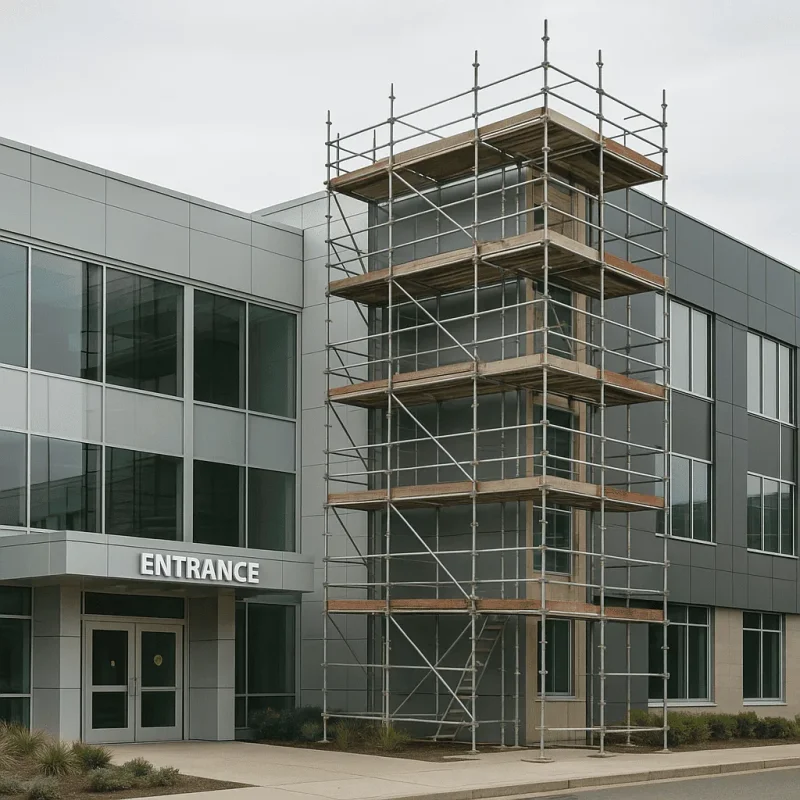
- Structural Deterioration: Exposure to Seattle’s wet climate can accelerate wear in concrete, asphalt, and roofing materials requiring timely repairs.
- Changes in Emergency Services Needs: Expanding medical services and increased ambulance traffic demand modifications or expansions of existing bays.
- Regulatory Updates: New local codes or changes in healthcare facility requirements prompt upgrades to meet safety, access, and operational standards.
- Technological Integration: Installation of modern communication systems, lighting, and security cameras often necessitates reconstruction phases.
- ADA Compliance Improvements: Ensuring ambulance bays meet current accessibility standards is critical for patient and personnel safety.
How to Approach Ambulance Bay Construction and Repairs in Seattle
Successful ambulance bay construction or repair in Seattle healthcare facilities requires a strategic approach led by experienced professional craftsmen familiar with local conditions and regulations.
- Assessment and Planning: Conduct a thorough site evaluation, including structural analysis and traffic studies, to design an efficient ambulance bay tailored to facility needs.
- Permit Acquisition: Navigate Seattle\'s permitting process for healthcare construction, ensuring all regulatory approvals are secured before work begins.
- Material Selection: Choose weather-resistant, durable construction materials suitable for Seattle\'s rainy climate to enhance longevity.
- Phased Construction: Plan construction phases to minimize disruption to hospital operations and maintain emergency service readiness throughout.
- Quality Control and Inspections: Regular inspections during construction ensure compliance with safety standards and project specifications.
Remodelling Cost Factors for Ambulance Bay Projects in Seattle Healthcare Facilities
The cost of ambulance bay construction and restoration in Seattle healthcare facilities depends on multiple variables that affect the scope and complexity of the project. Understanding these pricing factors helps healthcare administrators budget effectively.
- Scope of Work: The extent of required repairs, expansions, or new construction directly influences overall expenses.
- Material Quality: Investing in high-grade, weather-resistant materials suitable for Seattle\'s climate may increase upfront costs but ensures durability.
- Compliance Requirements: Meeting local building codes, healthcare regulations, and ADA standards may necessitate specialized finishes and features impacting price.
- Site Complexity: Urban site limitations and integration challenges with existing hospital infrastructure can increase labor and engineering costs.
- Labor Expertise: Engaging professional craftsmen experienced in hospital and emergency service construction ensures quality but may affect budget due to specialized skills.
A comprehensive cost estimate typically incorporates design services, materials, labor, permits, and contingencies. Considering these factors early optimizes project delivery and controls budget overruns.
Prevention and Maintenance Strategies for Ambulance Bays in Seattle Healthcare Settings
Proper prevention and maintenance extend the lifespan and safety of ambulance bays, reducing long-term repair needs in Seattle\'s challenging environment.
- Regular Inspections: Scheduled assessments can identify potential structural issues or drainage problems early.
- Effective Drainage Systems: Maintaining clear gutters and drains is critical to prevent water damage from Seattle’s heavy rainfall.
- Surface Treatments: Applying sealants and protective coatings helps resist weather-induced wear on concrete and asphalt surfaces.
- Prompt Repairs: Addressing minor cracks or damages immediately prevents escalation and costly restorations.
- Staff Training: Educating hospital personnel on proper ambulance bay use minimizes accidental damage and maintains operational efficiency.
Conclusion
Partnering with Pioneer Remodel ensures professional, durable, and code-compliant ambulance bay construction and repair services tailored to Seattle healthcare facilities\' unique needs, supporting efficient emergency response and patient care.