


Common Challenges in Dry Well Installation and Stormwater Construction in Seattle
Seattle\'s unique combination of heavy rainfall, urban density, and diverse terrain presents several challenges for dry well installation and stormwater construction projects. Homeowners and property developers often encounter issues that require expert assessment and professional craftsmanship to ensure lasting solutions.
- Soil Composition and Drainage: Seattle\'s clay-heavy and compacted soils reduce natural infiltration, making proper dry well sizing and placement critical to avoid water backups.
- High Water Table Levels: In many Seattle neighborhoods, particularly near Lake Washington or Puget Sound, elevated water tables can impact dry well effectiveness, necessitating specialized design.
- Urban Runoff Volume: As Seattle continues to grow, impervious surfaces increase stormwater runoff, which must be carefully managed to prevent flooding and pollution in local watersheds.
- Regulatory Compliance: Environmental regulations in Seattle require stormwater projects to meet stringent standards, including permits and inspections managed by local authorities.
- Space Constraints: Many Seattle properties, especially in neighborhoods like Capitol Hill or Ballard, have limited outdoor space, challenging optimal placement and installation of dry wells and related infrastructure.
Key Reasons to Choose Professional Dry Well Installation and Stormwater Construction Services in Seattle
Choosing expert professionals for dry well and stormwater system installation in Seattle ensures the integrity and sustainability of your property’s water management. Here are common reasons property owners seek professional intervention:
- Preventing Basement Flooding: Excess stormwater often seeps into basements without proper drainage, leading to costly water damage and mold growth.
- Protecting Foundation Integrity: Accumulated surface water can weaken foundation structures, especially in Seattle’s older housing stock found throughout neighborhoods like Queen Anne.
- Stormwater Management Compliance: Seattle requires property owners to control runoff to protect Puget Sound and local ecosystems from pollution.
- Enhancing Landscape Sustainability: Proper stormwater construction supports healthy soil moisture balance, preventing erosion and preserving garden areas common in Seattle\'s residential settings.
- Increasing Property Value: Well-executed drainage and dry well systems improve curb appeal and provide peace of mind to potential buyers in a competitive Seattle housing market.
Effective Strategies for Repair and Installation of Dry Wells and Stormwater Systems in Seattle
Professional craftsmen in Seattle use proven techniques tailored to local conditions to ensure stormwater infrastructure functions efficiently. The following repair and installation methods are commonly employed:
- Site Evaluation and Soil Testing: Assessing soil permeability and water table depth ensures dry wells are sized and located for optimal performance.
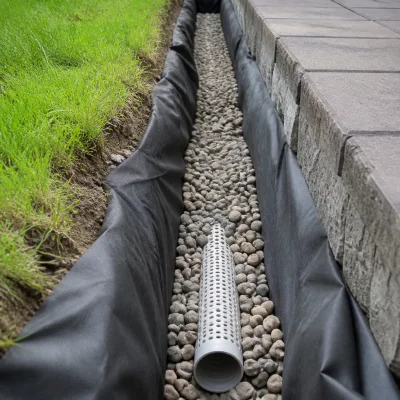
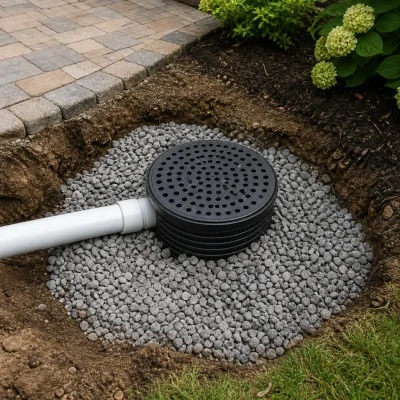
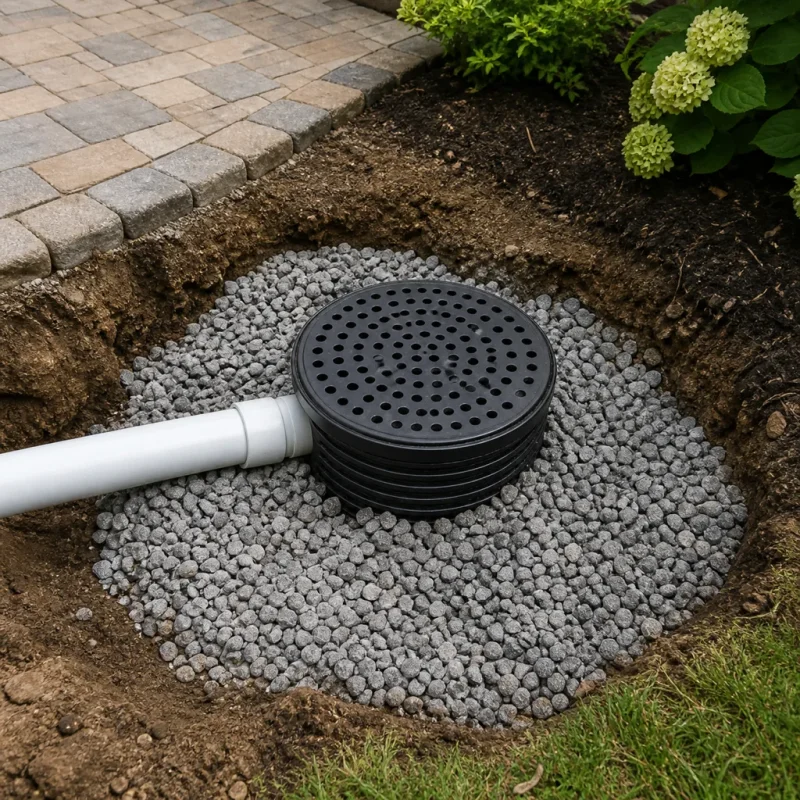
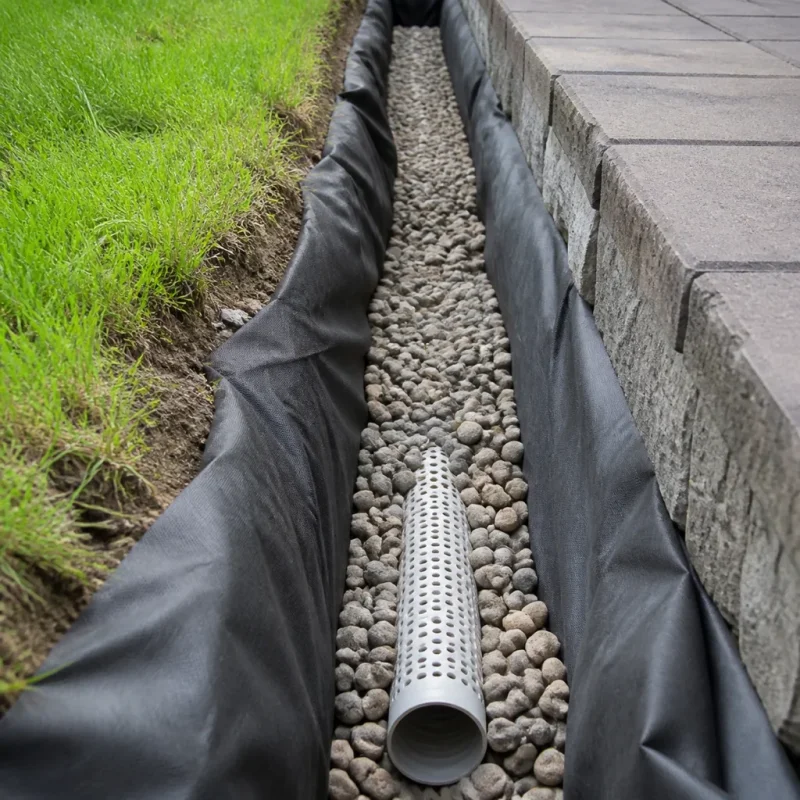
- Excavation and Proper Base Preparation: Excavating to appropriate depths and using gravel beds or geotextile materials prevents clogging and promotes drainage.
- Installation of Durable Dry Well Chambers: High-quality, perforated polyethylene or concrete chambers are selected based on site needs and longevity requirements.
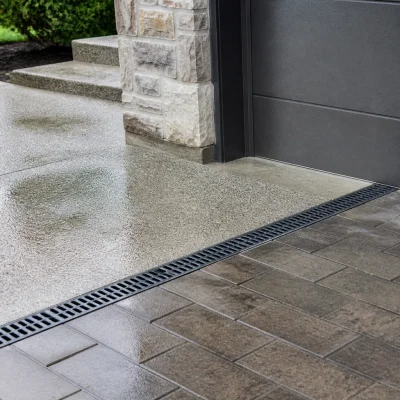
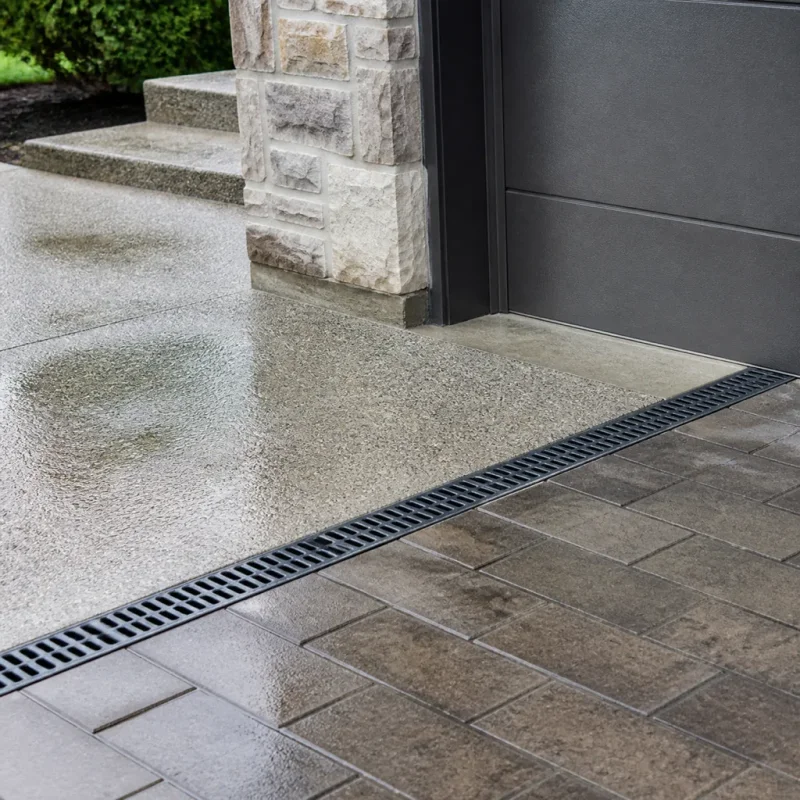
- Connection to Downspouts and Drainage Systems: Integrating gutters and underground piping channels stormwater efficiently to dry wells, minimizing surface water pooling.
- Backfilling and Surface Restoration: Returning soil without compaction around dry wells maintains soil porosity; finishing includes reseeding or landscaping to blend with Seattle\'s residential aesthetics.
- Routine Inspection and Maintenance Plans: Scheduling regular checks helps identify sediment buildup or structural damage early, preventing system failures.
Understanding Cost Factors for Dry Well Installation and Stormwater Construction in Seattle
Pricing for dry well and stormwater projects in Seattle depends on several variables reflecting the complexity and scale of work. Homeowners benefit from understanding these factors to budget appropriately:
- Project Scope and Size: Larger properties or those requiring multiple dry wells and extensive piping will incur higher costs.
- Site Conditions and Accessibility: Challenging terrain, high water tables, or restricted space in dense neighborhoods can increase labor and material needs.
- Material Selection: Types of dry well chambers, piping, and filtration components affect overall expenses based on durability and performance ratings.
- Permitting and Compliance: Navigating Seattle\'s municipal stormwater regulations involves permit fees and potential engineering consultation.
- Labor and Expertise: Hiring certified professional craftsmen ensures code-compliant installation but may increase upfront investment compared to unlicensed services.
- Additional Features: Incorporating rain gardens, infiltration trenches, or sump pumps can complement dry well systems and impact costs.
The cost of services generally includes initial consultation, design, securing required permits, excavation, installation, and site restoration. Pioneer Remodel provides transparent estimates tailored to each Seattle property’s specific stormwater management needs, helping clients optimize investment.
Preventive Measures and Maintenance Tips for Sustainable Stormwater Systems in Seattle
Maintaining the functionality of dry wells and stormwater infrastructure in Seattle requires periodic care and attention. Practical steps homeowners can take include the following:
- Regular Inspection: Check for surface pooling, erosion, or unusual plant growth to detect drainage issues early.
- Clearing Debris: Remove leaves, dirt, and sediment from gutters, downspouts, and dry well access points to prevent clogging.
- Flushing Systems: Periodically flush pipes and dry wells with water to dislodge sediment accumulation.
- Landscaping Considerations: Use native, deep-rooted plants in the vicinity to assist infiltration while stabilizing soil.
- Professional Maintenance: Schedule inspections by professional craftsmen experienced in Seattle\'s stormwater regulations to ensure systems operate optimally.
- Responding to Damage: Prompt repair of cracks, sediment buildup, or settling prevents expensive restoration later.
Applying these preventive practices extends the lifespan of your stormwater management system and supports Seattle\'s environmental stewardship efforts.
Conclusion
Expert dry well installation and stormwater construction services by Pioneer Remodel in Seattle deliver sustainable water management solutions, protecting properties and complying with local regulations while enhancing community resilience.