


Common Issues in Seattle Government HVAC Installation and Upgrade Construction
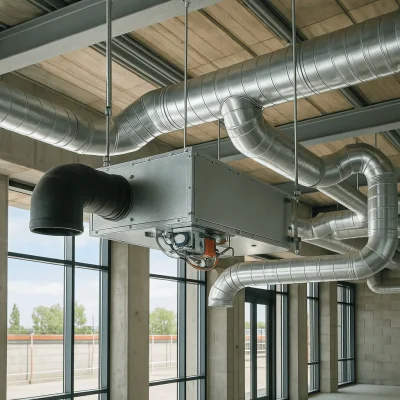
When dealing with HVAC installation and upgrades for government buildings in Seattle, several common challenges arise due to the unique demands of public facilities and the local climate. Understanding these typical malfunctions helps prevent downtime and ensures optimal system performance. In Seattle, with its damp and mild weather, HVAC units often experience:
- Corrosion and rusting of external components caused by the Pacific Northwest\'s frequent rain and humidity
- Inadequate ventilation due to complex building layouts in historic government structures around areas like Capitol Hill and Pioneer Square
- Energy inefficiency stemming from outdated systems or incompatible upgrades with existing infrastructure
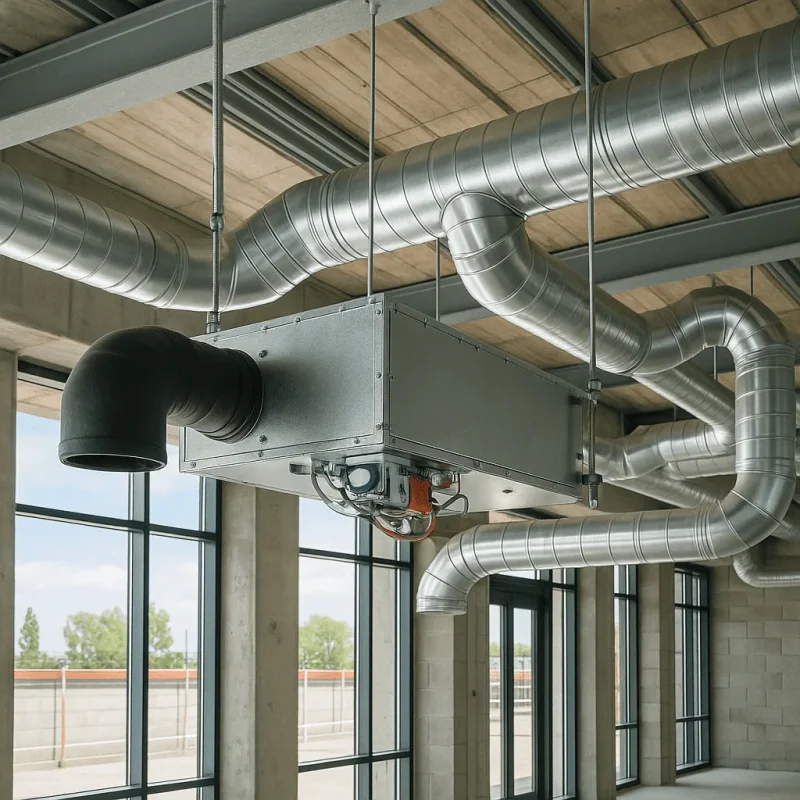
- Frequent breakdowns due to aging ductwork and outdated electrical systems often found in older facilities such as those near the Seattle Center
- Difficulty meeting strict city and state building codes which require specific HVAC standards for public buildings
Key Reasons for HVAC Repair and Upgrade in Seattle Government Buildings
Government buildings in Seattle require consistent HVAC repairs and upgrades to maintain safety, comfort, and compliance with regulations. Reasons prompting these interventions include:
- Energy conservation mandates by Seattle Municipal Code pushing for more efficient HVAC solutions
- Wear and tear from continuous operation in high occupancy government offices in neighborhoods like Belltown and South Lake Union
- Requirement to improve indoor air quality for employee and public health, particularly in facilities housing public services and records
- Incorporation of new technologies for smart building controls aligned with Seattle’s commitment to sustainability
- Failure of legacy HVAC components unable to keep up with current environmental standards or climate conditions
How to Implement Professional HVAC Installation and Upgrades in Seattle Government Facilities
Successful HVAC installation and upgrades in Seattle\'s government sector demand thorough planning and experienced craftsmanship to navigate the city\'s regulatory landscape and architectural challenges. Key steps include:
- Conducting comprehensive inspections of existing HVAC systems and building layouts, especially in historic government buildings in areas like Queen Anne
- Securing necessary permits and approvals through Seattle Department of Construction & Inspections, ensuring adherence to local codes
- Selecting energy-efficient, environmentally compliant HVAC systems that align with Seattle\'s green building standards
- Engaging professional craftsmen skilled in government construction projects, familiar with integrating modern systems into older infrastructure
- Scheduling installation and upgrades during off-hours or phased intervals to minimize disruption to public services
- Testing and commissioning completed systems to guarantee performance and regulatory compliance
Factors Affecting Remodelling Cost for HVAC Services in Seattle Government Buildings
The cost of HVAC installation and upgrades in government buildings around Seattle depends on multiple factors unique to public sector projects. Understanding these helps budget effectively and avoid surprises. Considerations include:
- Scope and scale of the project, including whether it involves simple system replacement or complete building-wide infrastructure overhaul
- Complexity of existing building architecture, particularly in landmark districts such as the International District, which may require customized solutions
- The energy efficiency level of equipment chosen, often influenced by Seattle\'s stringent environmental guidelines and incentive programs
- Labor costs associated with licensed professional craftsmen experienced in municipal projects and union regulations prevalent in the area
- Permitting fees and inspection costs required by Seattle city authorities to ensure full compliance with building codes
- Contingency budget for unforeseen structural or technical issues, which is common in older government properties
The overall cost typically covers system design, equipment procurement, labor, permits, testing, and project management.
Prevention and Maintenance Tips for HVAC Systems in Seattle Government Facilities
Maintaining HVAC systems in Seattle\'s public sector buildings is crucial to extending their operational life and avoiding costly repairs. Effective prevention includes:
- Regular inspections and cleaning schedules coordinated through professional maintenance crews, especially given Seattle\'s humidity which increases system strain
- Prompt replacement of filters and worn components to sustain indoor air quality and system efficiency
- Implementation of predictive maintenance technologies to monitor system performance remotely for early detection of issues
- Training facility staff on basic HVAC operation and emergency procedures tailored to governmental building needs
- Periodic review of system compliance with Seattle\'s evolving energy codes and environmental standards to initiate timely upgrades
- Collaboration with specialized contractors like Pioneer Remodel, who understand Seattle\'s unique government construction requirements and local permitting processes
Conclusion
Choosing expert professional craftsmen for Seattle government HVAC installation and upgrades ensures compliance, efficiency, and reliability in public facilities throughout the city.