


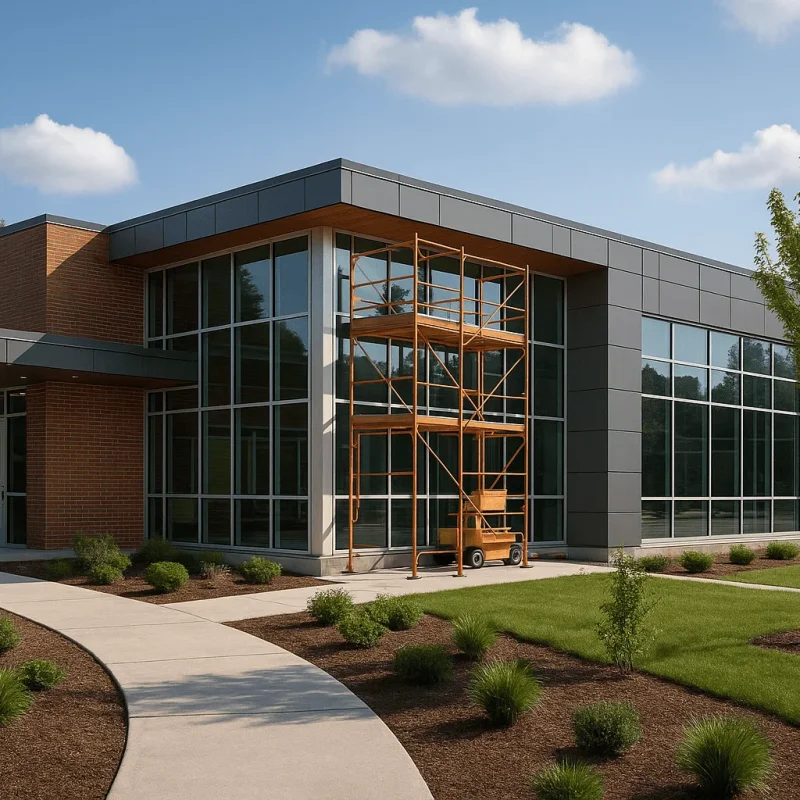
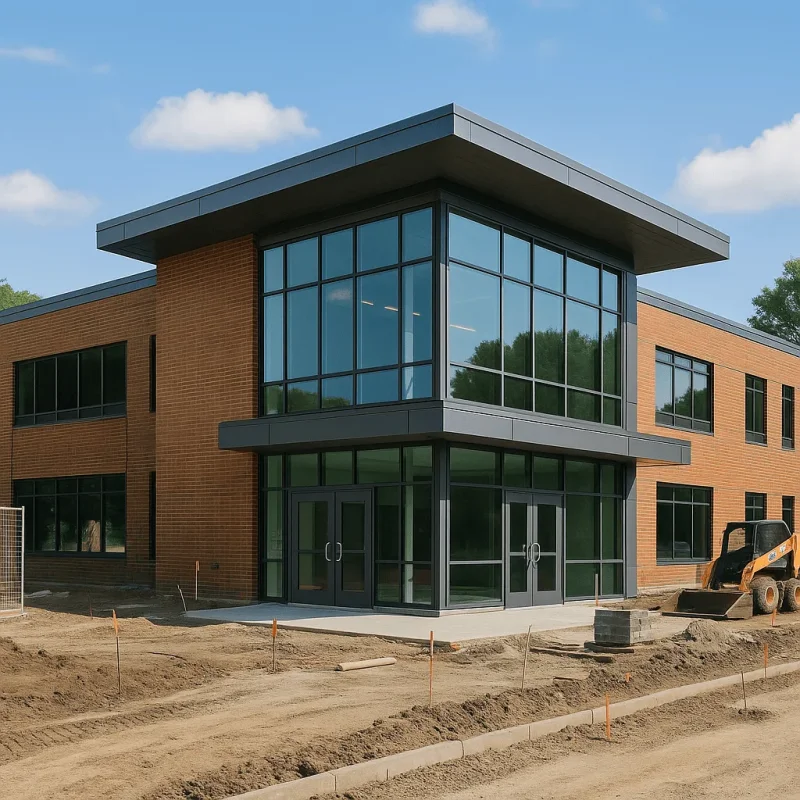
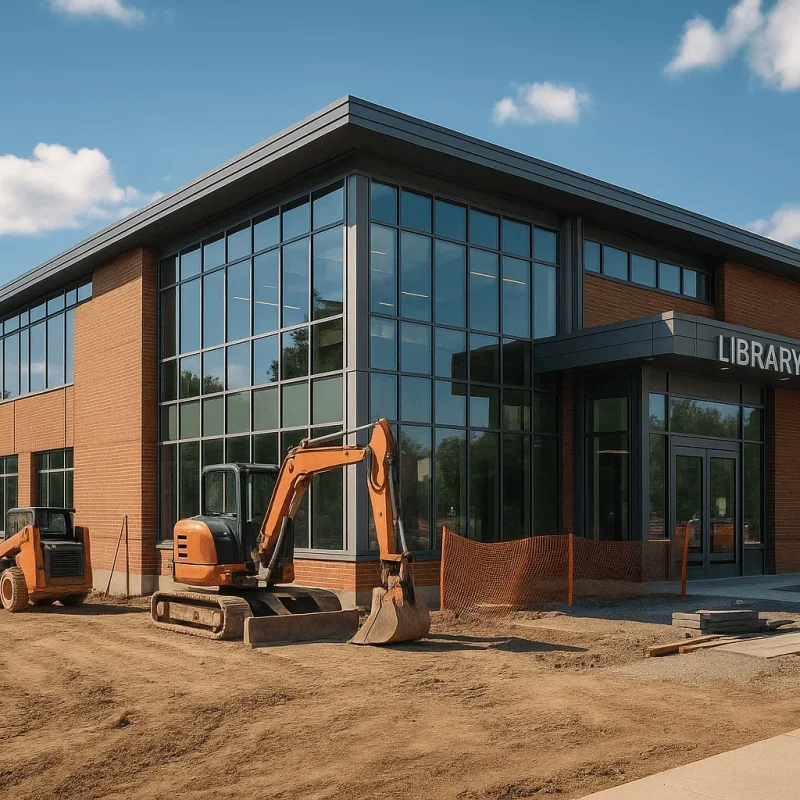
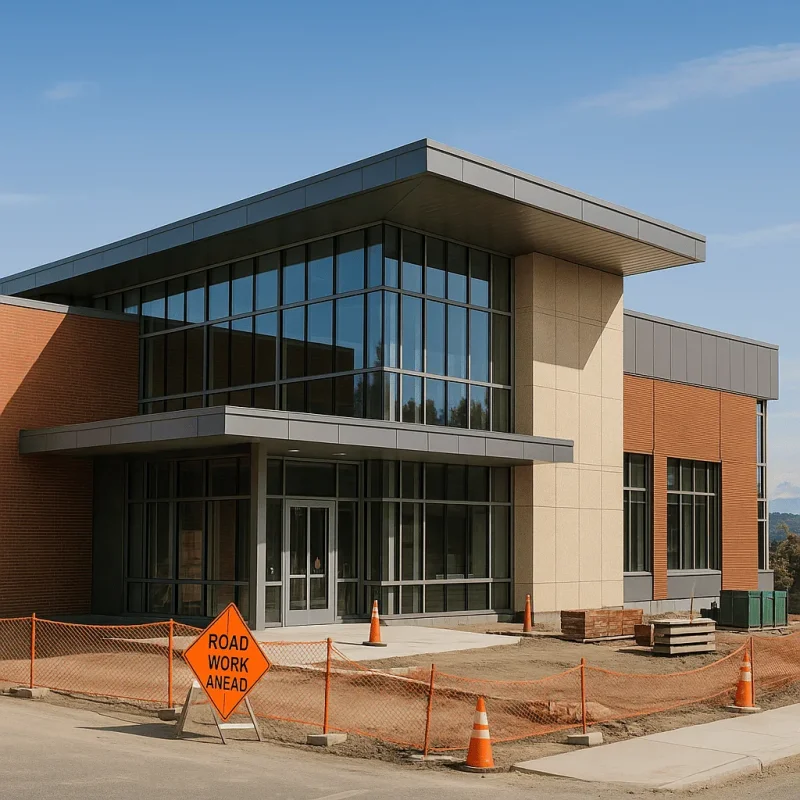
Common Challenges in Seattle Recreation Center Construction and Renovation
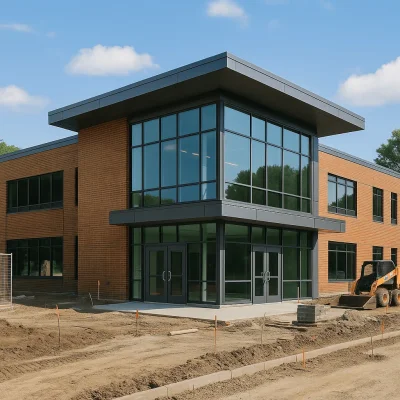
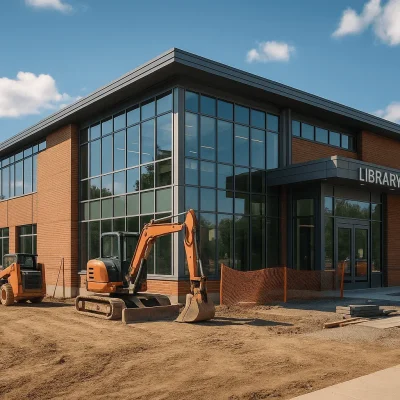
Building and renovating recreation centers in Seattle presents unique challenges that professional craftsmen must navigate to ensure structural integrity and community satisfaction. Understanding these common issues can assist homeowners, city planners, and developers in making informed decisions.
- Climate Impact: Seattle\'s moist and rainy environment requires resilient building materials and proper waterproofing to prevent mold, rot, and deterioration typical in recreation centers exposed to heavy usage.
- Space Optimization: Urban Seattle neighborhoods like Capitol Hill and Ballard often have limited available space, demanding innovative design solutions to maximize functionality without expanding the footprint excessively.
- Compliance with Local Codes: Seattle has rigorous permitting processes and safety codes focused on accessibility and sustainability that must be adhered to during construction and renovation projects.
- Older Building Stock: Many recreation centers in Seattle were constructed decades ago; restoration involves addressing outdated electrical systems, insulation, and structural wear to meet modern standards.
- Community Engagement: Projects must often accommodate diverse community needs, balancing recreational features with budgetary and environmental constraints.
Primary Reasons for Repair and Renovation of Seattle Recreation Centers
Recreational facilities require ongoing attention to maintain safety, functionality, and appeal. Several factors drive repair and remodeling efforts in Seattle\'s recreation centers.
- Structural Aging: Continuous use combined with Seattle\'s wet climate can lead to weakened foundations, deteriorated roofing, and compromised surfaces.
- Modernization Needs: Upgrading outdated amenities such as locker rooms, gym equipment rooms, and HVAC systems to meet today\'s user expectations and energy efficiency standards.
- Accessibility Improvements: Renovations are often necessary to comply with ADA requirements and improve inclusivity for all community members.
- Energy Efficiency: Implementing green building practices to reduce operational costs and Seattle\'s environmental footprint.
- Damage from Wear and Tear: High foot traffic and varied activities can cause flooring damage, paint chipping, and general wear needing professional restoration.
Effective Strategies for Seattle Recreation Center Construction and Repair
Employing professional craftsmen and strategic planning ensures successful construction and renovation that meet the specific demands of Seattle recreation centers.
- Detailed Needs Assessment: Engage stakeholders and experts early to determine specific functional requirements, community preferences, and budget constraints.
- Use of Durable, Local Materials: Selecting weather-resistant materials such as treated wood and corrosion-resistant metals is essential for longevity in Seattle\'s climate.
- Energy-Saving Technologies: Incorporate LED lighting, solar panels, and efficient HVAC systems designed to reduce energy consumption and maintenance costs.
- Compliance-Driven Design: Ensure building plans meet Seattle\'s regulatory standards including accessibility, seismic resilience, and environmental sustainability.
- Phased Construction: To minimize disruption to community services, implement remodeling in stages while maintaining partial facility operations.
Typical Remodelling Cost Factors for Seattle Recreation Centers
Understanding cost variables is crucial when planning construction or restoration projects for recreation centers in Seattle.
- Scope of Work: The extent of construction, whether minor repairs or full-scale remodeling, heavily influences costs.
- Material Selection: High-quality, durable materials suited for Seattle\'s climate generally carry a higher price but offer longer-term savings.
- Permitting and Regulations: Expenses related to permits, inspections, and compliance with city requirements are necessary inclusions in the budget.
- Labor Costs: Skilled professional craftsmen experienced with Seattle building standards and conditions typically command reasonable rates reflecting their expertise.
- Project Timeline: Expedited projects may increase labor costs, while phased approaches might help spread expenses over time.
- Energy-Efficient Upgrades: Installation of modern sustainable systems can add initial costs but tend to reduce ongoing operating expenses.
Typically, a comprehensive cost estimate will encompass design, materials, labor, permits, and finishing works required to restore or build a recreation center that meets community standards.
Prevention and Maintenance Tips for Seattle Recreation Facilities
Proper upkeep extends the life of Seattle recreation centers, maintaining safety and aesthetics for community users.
- Regular Inspections: Schedule periodic checks of structural elements, roofing, HVAC, and electrical systems to identify early signs of damage or wear.
- Waterproofing and Drainage: Maintain exterior seals and gutters to prevent moisture intrusion common in Seattle\'s rainy weather.
- Surface Care: Refinish floors and repaint walls regularly to protect against damage from heavy traffic and environmental exposure.
- Equipment Maintenance: Service recreational and fitness equipment to ensure safety and prolong usability.
- Update Accessibility Features: Modify entrances, pathways, and facilities as needed to remain compliant with evolving policy standards.
Implementing a structured maintenance plan reduces the need for costly repairs and preserves the community value of recreational centers.
Conclusion
Professional construction and renovation tailored to Seattle\'s specific environmental and community needs safeguard the longevity and functionality of recreation centers, making them valuable assets for neighborhoods across the city.